





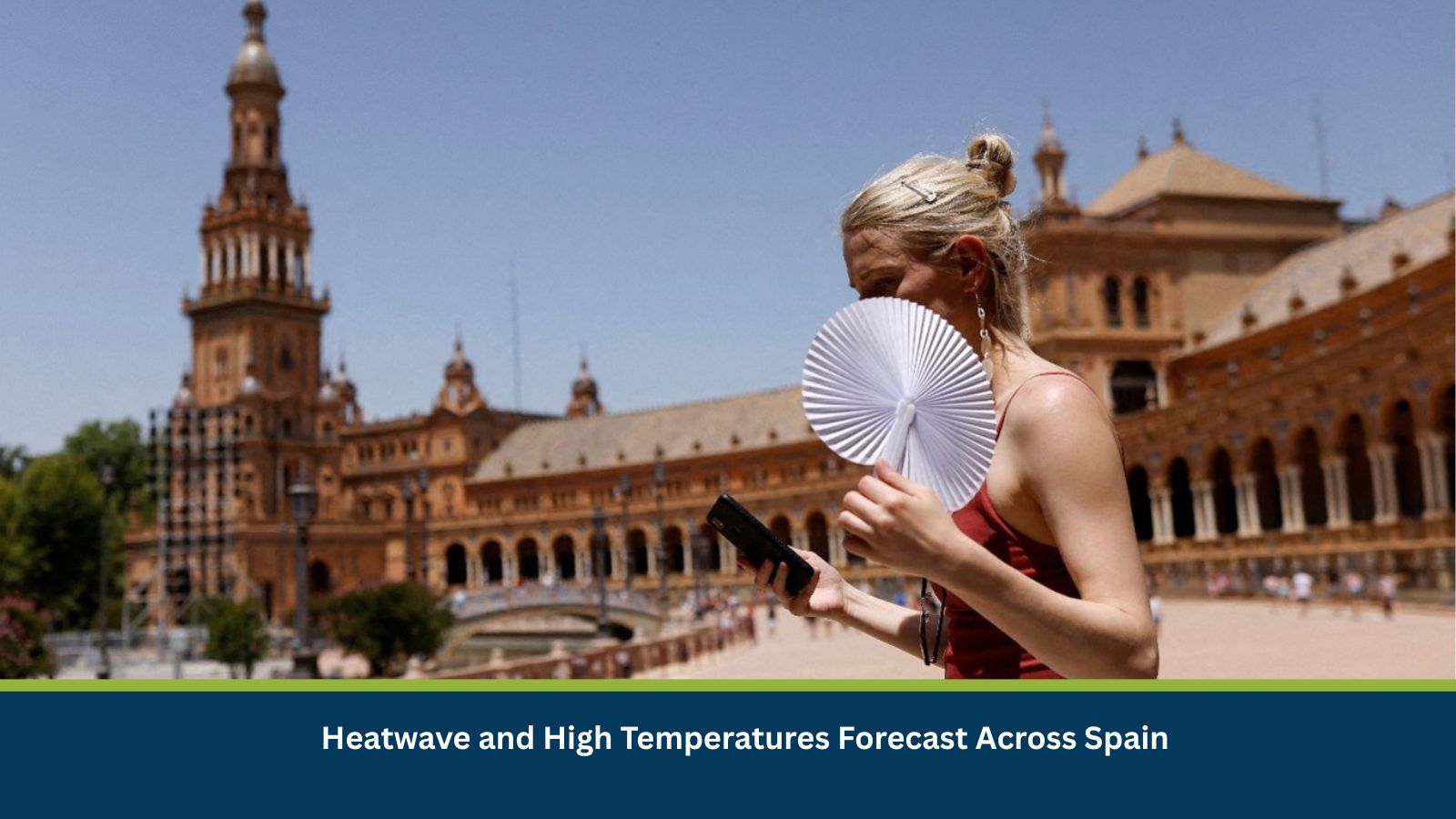
Executive Summary for the Heatwave Across Spain
Spanish authorities have issued widespread heat alerts as an intense heatwave is forecast to affect much of the country between 03–06 July 2026. Temperatures are expected to exceed 40–44°C across several inland regions due to a persistent subtropical high-pressure system. The event is likely to increase the risk of heat-related illnesses, wildfires, infrastructure stress and disruptions to transportation, tourism and outdoor business operations across the affected regions.
- Date of Event: 03-06 July
- Location: Andalusia, Extremadura, Castilla-La Mancha, Madrid, Aragón, Ebro Valley, Catalonia, Valencian Community and Balearic Islands, Spain
- Risk Category: Environment
- Severity Score: 3 / 5
- Confidence Level: 75%
What is Risk Analysis in the Context of Environment Events
Environment event analysis evaluates the potential impact of severe weather on business continuity, employee safety, transportation networks, utilities and critical infrastructure. Prolonged periods of extreme heat can disrupt outdoor operations, increase electricity demand, elevate wildfire risk and place additional pressure on healthcare and emergency response systems.
The current heatwave is being driven by a persistent high-pressure system transporting very hot air over the Iberian Peninsula. The combination of exceptionally high temperatures, dry vegetation and low humidity is expected to create conditions favourable for wildfire ignition while increasing operational risks for businesses and travellers.
Known Hotspots and Sensitive Areas
High Impact:
- Andalusia
- Extremadura
- Castilla-La Mancha
- Madrid
- Aragón
- Ebro Valley
Medium Impact:
- Catalonia
- Valencian Community
- Balearic Islands
- Murcia
- Castilla y León
Low Impact:
- Northern Atlantic coastal regions
- Galicia
- Asturias
- Cantabria
Impact on Transportation and Services
Extreme temperatures may lead to localised disruptions to road and rail services due to heat-related infrastructure stress. Increased electricity demand may place pressure on power networks, while outdoor industries including construction, agriculture and logistics could experience operational disruptions because of worker safety measures. Elevated wildfire risk may also result in temporary access restrictions to forests and protected natural areas. Tourism and outdoor recreational activities are expected to be affected during peak daytime temperatures.
Recommended Actions
- Monitor official updates issued by AEMET and regional authorities.
- Avoid non-essential outdoor activities during peak afternoon hours.
- Review business continuity plans for outdoor operations.
- Ensure employees and travellers remain hydrated and follow local heat advisories.
- Prepare contingency plans for possible transport disruptions and wildfire-related access restrictions.
Multidimensional Impact
The Tour de France final stage in Barcelona on 04 July will coincide with the heat peak, amplifying risks: increased spectator heat exposure, added strain on local EMS and cooling resources, and potential logistic complications for race support vehicles and freight.
Emergency Contacts
- Emergency Services (Police/Fire/Ambulance): 112
Final Thoughts
The forecast heatwave across Spain presents a high operational and public safety risk between 03–06 July 2026, particularly across southern, central and eastern regions where temperatures are expected to exceed 40°C. The combination of extreme heat, dry conditions and heightened wildfire potential is likely to increase pressure on critical infrastructure, healthcare services and transportation networks while affecting outdoor business operations and tourism.
Organisations operating in the affected areas should continue monitoring official meteorological updates and implement appropriate heat mitigation measures to minimise operational disruptions and safeguard personnel. As weather conditions may evolve, businesses and travellers are advised to remain vigilant and adjust plans accordingly throughout the forecast period. Leveraging MitKat’s Datasurfr enables businesses to receive real-time weather alerts, monitor evolving risks, and make informed decisions to safeguard their people, assets and operations during severe weather events.