





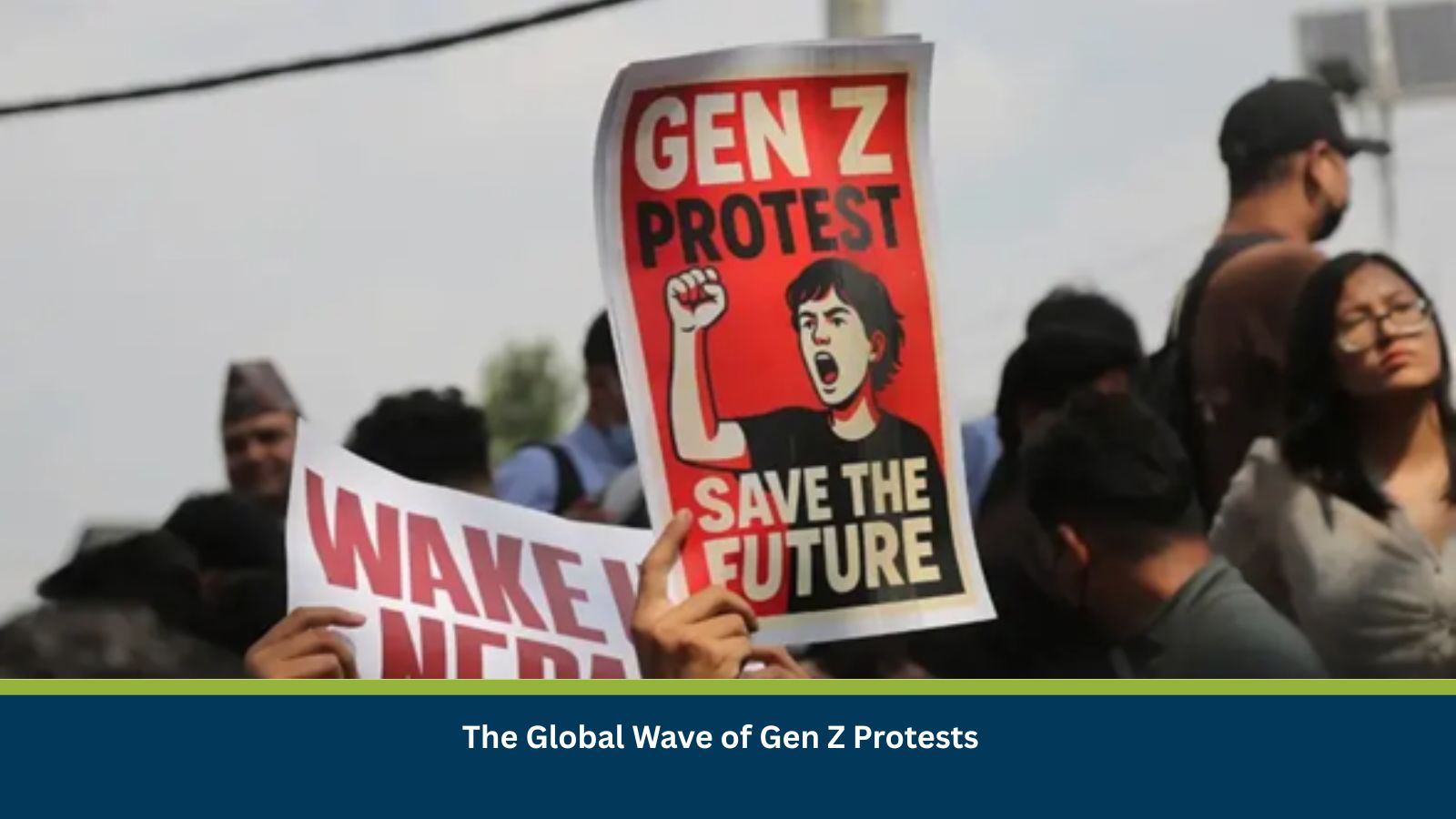
Generation Z, the cohort defined by its digital fluency, is spearheading a synchronized global trend of anti-government protests, challenging established political orders from Africa to Asia. These youth-led movements, active in countries including Madagascar, Morocco, Nepal, Indonesia, Kenya, and the Philippines, are driven by systemic grievances that cross international boundaries: rampant government corruption, stark wealth inequality (often symbolized by the “Nepo Kids” phenomenon and excessive political allowances), and the persistent failure of states to provide essential public services such as water, power, education, and healthcare. This demographic, characterized by its significant size, high unemployment rates, and widespread frustration with the status quo, is a clear indicator of deep societal crises, contributing to political volatility across multiple regions.
Diverse Triggers, Unified Discontent
While local contexts provide specific triggers, the core demands of these movements – accountability and equity are common. The initial sparks for mobilization demonstrate the environment’s low threshold for volatility:
Madagascar: Protests began over severe shortages of basic necessities, including water and electricity, and quickly escalated into calls for the President’s resignation after his government was dissolved.
Morocco: Demonstrations focused on the perceived mismanagement of public funds, specifically criticizing the allocation of billions toward 2030 FIFA World Cup preparations at the expense of vital public services.
Nepal: The movement was initially triggered by a government decision to temporarily ban 26 social media platforms, which youth viewed as an attempt to curb anti-corruption efforts. This digital trigger rapidly merged with deep-seated anger over wealth disparities, leading to the Prime Minister’s resignation within 36 hours.
Indonesia & Philippines: Protests directly targeted instances of political privilege and corruption, such such as excessive housing allowances for parliamentarians in Jakarta and the alleged loss of billions in taxpayer funds for non-materialized flood relief projects in Manila.
Kenya: The uprising was a response to an unpopular finance bill that introduced new, substantial taxes, prompting demands for government accountability and systemic economic reforms.
The New Digital Playbook: Decentralized and Cross-Border Mobilization
The movements share a striking new protest playbook rooted in their identity as digital natives, creating unique challenges for stability and governance.
Digital mobilization is characterized by its speed and effectiveness: the smartphone functions as the primary organizing tool. Activists employ platforms like TikTok, X, and Discord for decentralized, leaderless, and organic mobilization. They strategically use fast-paced videos, hashtags, AI-enhanced images, and sarcasm to rapidly organize and disseminate counter-narratives, making them less reliant on traditional media and less susceptible to government propaganda. The Kenyan movement, for example, is a clear instance of this digitally native model, echoing the decentralized structure of Nigeria’s #EndSARS protests.
Furthermore, the activism is inherently cross-border, with movements explicitly learning strategies and tactics from one another, accelerating the spread of political risk across regions. To reject traditional hierarchies and establish a simple, inclusive identity, the protesters often utilize pop culture symbolism; for instance, a pirate flag from the Japanese manga series One Piece, a story about fighting a repressive government has become a potent symbol of resistance in Indonesia and Nepal, and a modified version was adopted in Madagascar. The emergence of a cross-border solidarity among these young activists signifies a fundamental shift in how global dissent is reflected.
This trend signifies a critical and rapid-onset shift in geopolitical risk that demands a revised security and operational posture.
The ability of Gen Z to mobilize swiftly means that political instability and regulatory uncertainty can emerge with high speed, with mobilization cycles compressing from weeks to mere hours. This social fluidity elevates direct operational risks: the movements are often contentious, resulting in violent clashes with security forces, occasionally proving fatal, and leading to large-scale arrests (e.g., over 200 in the Philippines). This poses immediate threats to personnel safety, commercial assets, and supply chain continuity in major urban centers where protests converge. Furthermore, government suppressive responses, such as the temporary social media bans seen in Nepal, introduce a specific risk of disrupting essential business communication and information flow by targeting the very digital channels critical for modern operations. Businesses must therefore manage the dual risk posed by volatile street protests and potential internet censorship. This persistent state of agitation, driven by a generation demanding structural change, indicates a prolonged environment of heightened geopolitical and social volatility.
The Core Risk: A Divided Alliance and Escalation Uncertainty
The repeated incursions have exposed a fundamental disagreement within NATO regarding the appropriate military response, creating a dangerous element of uncertainty for businesses in Eastern Europe. The alliance is divided on whether to adopt a firm policy of shooting down Russian aircraft that breach NATO airspace. Some allies advocate for a forceful response to establish a credible deterrence, while others urge restraint to prevent a direct military clash that could unintentionally trigger a wider conflict under NATO Article 5. This lack of consensus plays directly into Russia’s strategy of exploiting Geopolitical Tensions and creating ambiguities about the alliance’s willingness to defend its members. In response, NATO is bolstering its surveillance, with Turkey deploying an advanced AWACS radar plane to Lithuania to enhance coverage of the Baltic region.
The Technological Challenge: Drone Defense Gaps
The ubiquity of low-cost Drone Incursions highlights a critical deficiency in existing Western defense architecture. The ability of small, slow, and low-flying systems often constructed from materials like plastic or wood to evade detection by conventional, high-cost radar systems presents a profound technological and financial challenge. Russia further exploits this vulnerability by utilizing specialized drones for intelligence, high-altitude flight, and decoys, complicating the defense challenge. Addressing this asymmetric threat necessitates a rapid, collective focus on developing cheaper and more plentiful counter-drone technology. This imperative is driving growing support among European leaders for a “Drone Wall”, a coordinated, layered defense system along the European Union’s eastern border.
In essence, the escalation of Drone Incursions and military jet violations by Russia represents a significant shift toward overt Hybrid Warfare tactics aimed at testing and undermining the cohesion of NATO. This creates a complex and uncertain security environment, particularly along the eastern frontier. The lack of a unified response strategy within NATO and the exposed vulnerabilities in defense against low-cost, low-observable drone technology pose material risks for Geopolitical Tensions and regional stability, compelling the alliance to rapidly invest in counter-drone capabilities and define a clear, common threshold for military engagement.