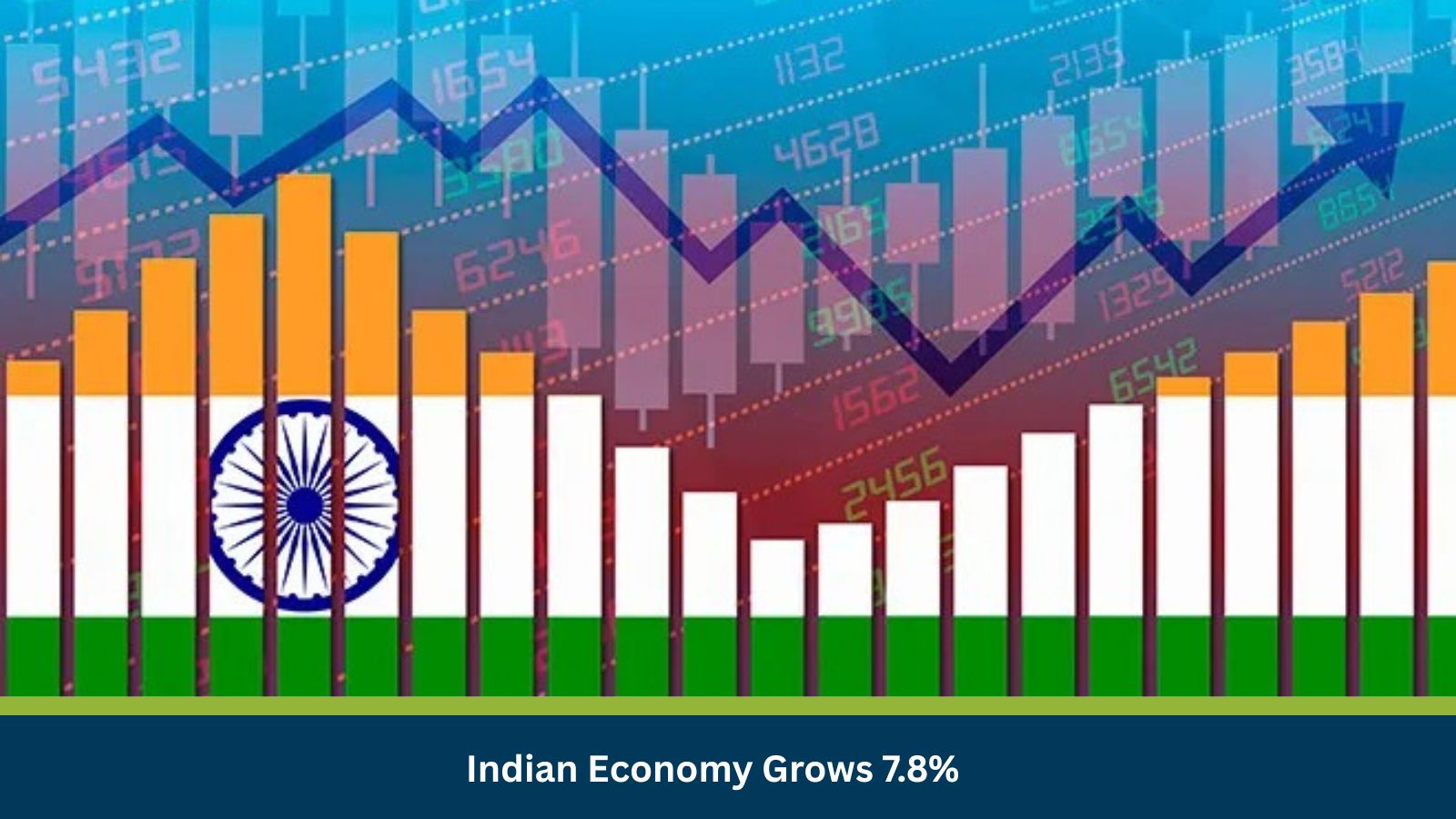
India’s economy reported a better-than-expected five-quarter high of 7.8% in April-June 2025 period. Manufacturing grew by 7.7% and services over 9%.
India’s GDP had grown 7.4% in the preceding quarter and 6.5% in the year before. The US imposed 50% tariffs on 27 August over India’s continuing imports of Russian oil.
India’s Chief Economic Advisor (CEA) admitted there were downside risks to growth but iterated that India was looking at the US tariffs as an opportunity to move forward on reforms and deregulation besides exploring other markets. “We expect GDP growth to remain within the targeted band of 6.3% – 6.8%,” he said, adding that domestic demand is expected to strengthen in the coming quarters, especially with the goods and service tax (GST) reforms ahead of the festive season.
The CEA said, “short-term risks to economic activity – especially exports and capital formation – persist due to uncertainties caused by the extra 50% US tariffs,” adding, “nevertheless, there would be adequate consumption even during such times to encourage private players to keep investing.”
The CEA said, “consumption and investment continue to anchor growth, adding that the share of private consumption in GDP in the three months to June was the highest for the same quarter in 15 years.”
Meanwhile, India and Japan signed 12 pacts during PM Narendra Modi’s visit to the country. Japan is targeting $68 billion private investment in India. The two countries would establish a cooperation initiative focusing on semiconductors and AI. Cooperation in defence and supply chain resilience for critical minerals will be stepped up. Both countries have agreed to facilitate exchange of half million people. Modi said, “Japanese technology and Indian talent are a winning combination.”
PM Modi will be China over the weekend where he will meet Chinese leader Xi Jinping and Russian President Vladimir Putin on the sidelines of SCO summit. Economic cooperation is likely to be high on the agenda during the bilateral conversations.