





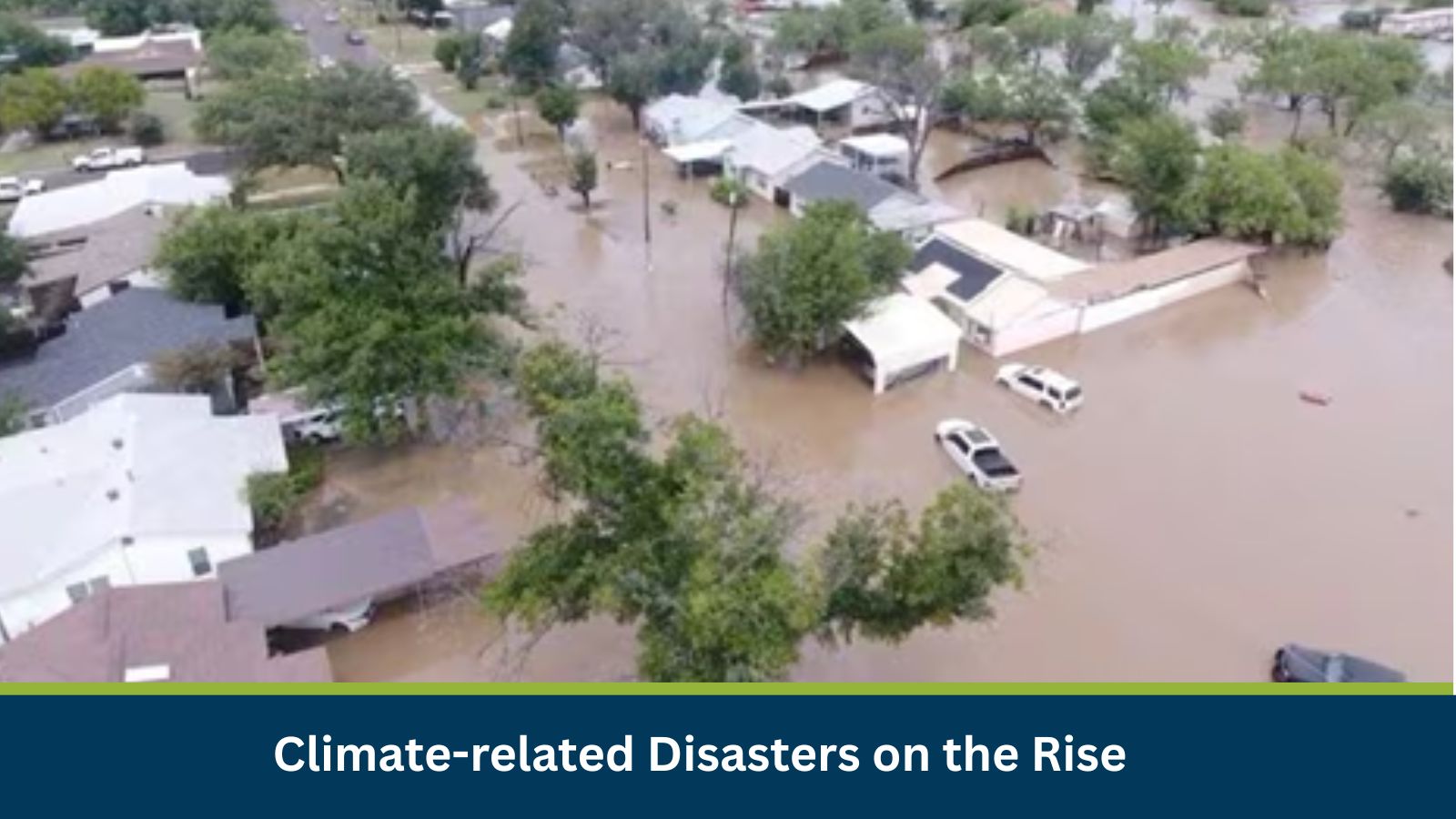
On 04 July, one of the worst floods devasted Texas Hill County, particularly the Kerr County. Heavy rainfall caused the Guadalupe River to overflow, leading to death of over 120 people, with over 160 missing. Valiant rescue efforts by authorities and volunteers led to saving of many lives. After the disaster, the preparedness and response to the floods by Kerr County Officials has come under scrutiny. The county lacked an independent flood warning system. A special session of Texas Legislature later this month will discuss flood warning systems, emergency communications and relief funding for flood victims, according to Governor Greg Abbott.
Elsewhere, in the north Indian hill state of Himachal Pradesh, intense monsoon rains triggered flash floods and landslides, isolating mountain villages and resulting in at least 75 fatalities. In China, continuous rainfall led to the displacement of tens of thousands, with multiple urban areas impacted by riverbank breaches and localized flooding.
These are not isolated disasters but part of a larger, troubling trend: rapid-onset, high-impact climate events are increasing in frequency and severity. Inadequate early-warning systems and poor urban infrastructure often exacerbate the impact of extreme weather events.
Lessons
The recent floods offer critical lessons for businesses on disaster preparedness, risk management and organizational resilience. Companies need to carry out environmental risk assessment, implement mitigation measures and ensure business continuity and disaster recovery plans are updated, practical and implementable.
- Ensure early warning, intelligence and mass notification systems to forewarn you of impending events, threats and risks.
- Carry out threat vulnerability risk assessment (TVRA) – understand vulnerabilities to people, critical assets and supply chains. Implement basic preventive measures – flood barriers, improving drainage, elevating critical equipment.
- BCP-DR: Ensure business continuity and disaster recovery plans are updated, practical and implementable. Have alternative work locations, communication strategies, money, emergency equipment. Carry out rehearsals and implement lessons.
- Ensure critical data is backed up and DR sites are active.
- Supply Chains: Identify supply chain vulnerabilities and have alternative sources of supply.
- Insurance: Ensure insurance cover financial allocations for BCP and DR.
- Post-disaster recovery: Carry out damage assessment, repair and recovery. Revert earliest to business as usual.
Organisations must avoid the tendency to fight the last battle. The next crisis will be different. Bloomberg warns that if the Texas floods teach you anything, let it be this: “warning fatigue” is going to get worse with more climate change-fuelled disasters on the rise.
By learning from the floods in Texas, India and China, businesses can better prepare for and mitigate the impact of future disasters, ensuring the safety of employees and assets and continuity of operations.
(The article has reference to open sources including datasurfr, CNN and The Hindu).