





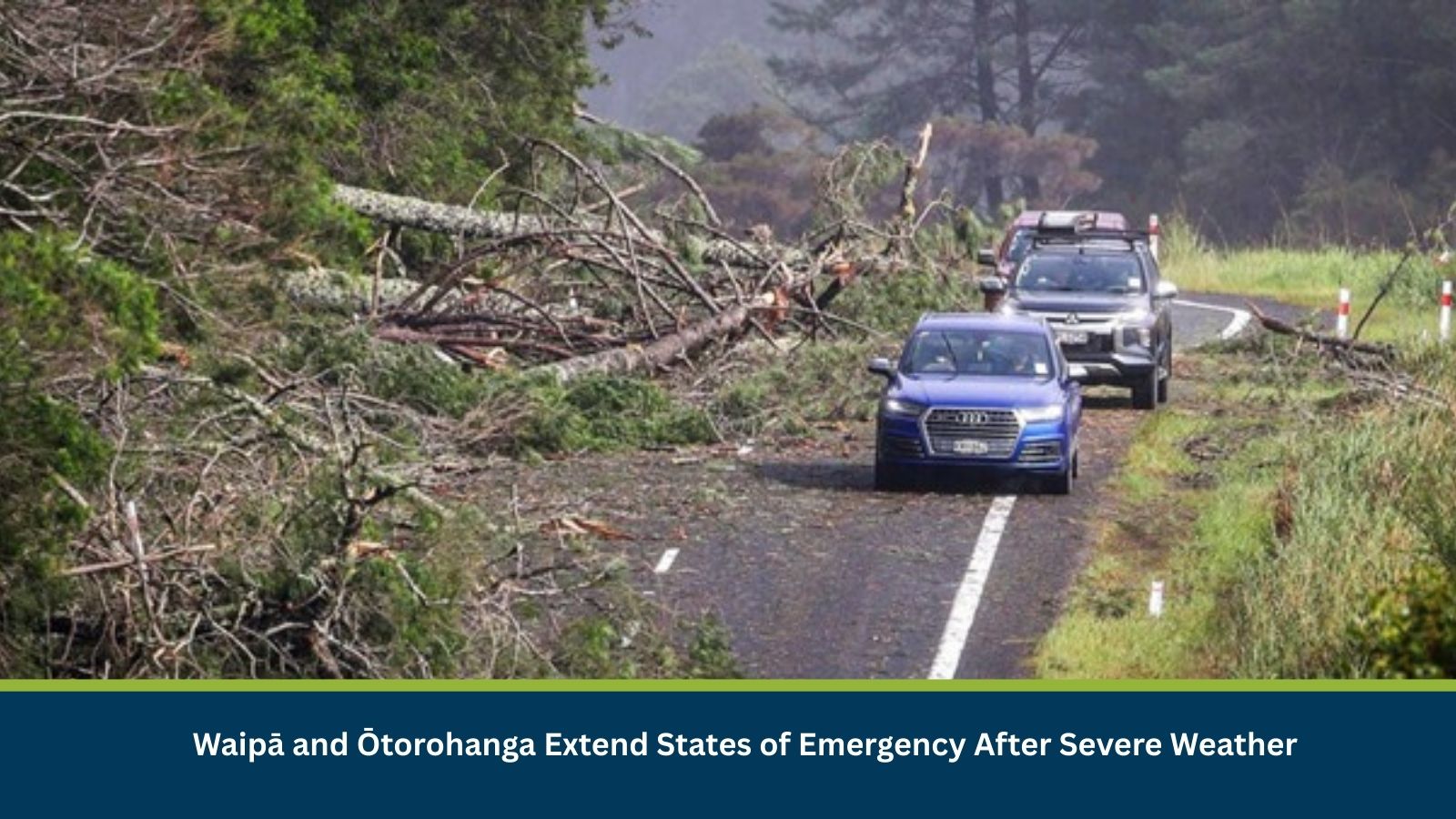
Executive Summary for the Extension of State of Emergency in New Zealand
Local authorities have extended states of emergency until 28 February following severe weather that produced intense rainfall, rapid river rises and localized flooding. The acute emergency phase is expected to persist for three to seven days as saturated catchments respond to further rainfall. While systemic regional failure has not occurred, infrastructure vulnerability and prior evacuations indicate moderate-to-high localized disruption. Businesses should plan for 72-hour operational impacts and up to two weeks of recovery activities.
- Date of Event: 20 February
- Location: Ōtorohanga and Waipā, New Zealand
- Risk Category: Natural Disasters
- Severity Score: 3 / 5
- Confidence Level: 75 %
What is Risk Analysis in the Context of Natural Disasters Events
Natural disaster risk analysis assesses hazards arising from extreme weather, flooding and related environmental shocks that disrupt communities and infrastructure. In the Waikato region, heavy rainfall and rapid river rises, particularly along the Waipā River, have historically triggered localized flooding, road washouts and evacuations. Saturated catchments increase vulnerability to repeated rainfall events, prolonging recovery timelines. Evaluating flood risk, infrastructure resilience and emergency response capacity is critical to mitigating impacts on people safety, agriculture and regional supply chains.
Known Hotspots and Sensitive Areas
High Impact:
- Ōtorohanga township riverfront and low-lying streets
- Rural properties adjacent to the Waipā River and tributaries
- Agricultural lowlands and horticulture zones
Medium Impact:
- State Highway 3 corridor and feeder rural roads
- Puketotara and surrounding access routes
Low Impact:
- Elevated urban areas less exposed to river overflow
Flooding in Waikato districts demonstrates recurring seasonal patterns, particularly following prolonged rainfall and saturated soil conditions.
Impact on Transportation and Services
Road closures and washed-out rural surfaces are disrupting mobility and isolating some communities. Freight using State Highway 3 and regional supply routes faces detours and delivery delays. Local bus and school transport services are likely suspended in affected wards. Utilities may experience localized power outages, potable water contamination risks and wastewater disruptions in inundated areas. Agricultural producers face interruption to harvesting, livestock management and perishable goods distribution.
Recommended Actions
Immediate Measures:
- Activate an incident controller and maintain centralized decision logging.
- Implement evacuation and shelter-in-place protocols; verify employee safety.
- Elevate or relocate vulnerable inventory and shut down exposed electrical systems.
- Communicate revised service timelines to customers and suppliers within two hours.
Strategic Measures:
- Strengthen flood resilience through infrastructure elevation and drainage upgrades.
- Maintain pre-contracted heavy equipment and alternative logistics arrangements.
- Coordinate with Waikato Civil Defence Emergency Management and local councils for real-time situational awareness.
Multidimensional Impact
Sustained emergency operations may divert regional resources, delaying unrelated infrastructure projects. Relief funding allocation and prolonged welfare support could influence municipal budgets and recovery planning across neighboring districts.
Emergency Contacts
- Emergency Number: 111
- Waikato Civil Defence Emergency Management (CDEM): waikatocivildefence.govt.nz
Final Thoughts
The extended states of emergency underscore ongoing flood risk in Waipā and Ōtorohanga. While impacts remain localized, saturated catchments heighten the probability of secondary river rises. Businesses should prioritize workforce safety, asset protection and supply chain continuity.
Stay ahead of operational risks with real-time alerts, scenario modeling, and expert advisories with datasurfr’s Predict. Start your 14-day free trial of Datasurfr’s Risk Intelligence Platform today.