





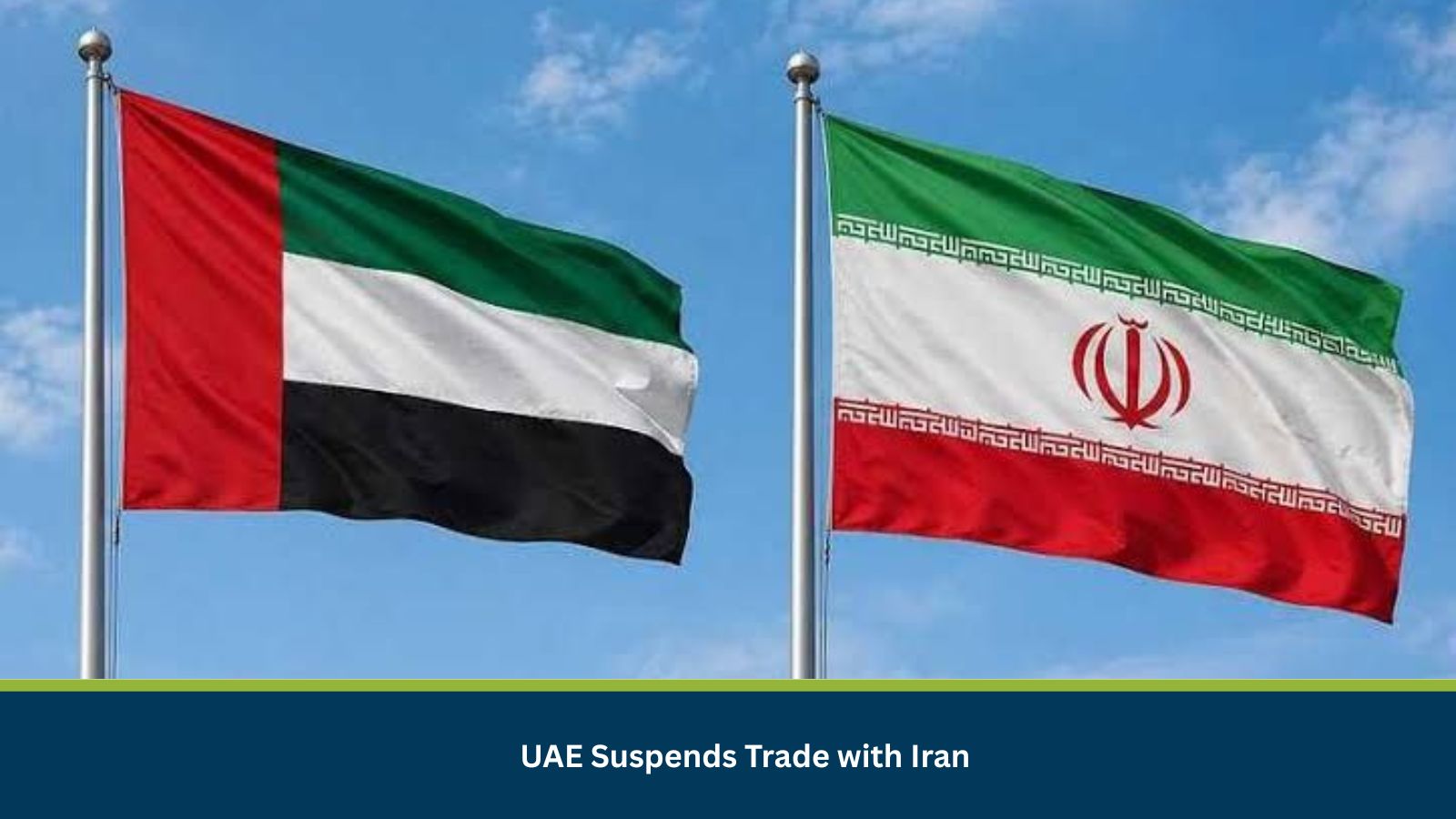
The UAE has officially suspended all trade, commercial exchanges, and financial transactions with Iran until further notice. This marks a major setback for economic ties between the two countries as wider conflict continues to disrupt shipping and commerce across the region. This could further squeeze Iran as US sanctions intensify.
This economic escalation follows a maritime incident on August 18, where the UAE Ministry of Defence (MoD) says it detected two ballistic missiles launched from Iran targeting Gulf navigation. Iran has denied launching missiles towards the UAE.
Impact
📉 Economic Shockwaves: The UAE has long served as Iran’s primary re-export hub and economic gateway to the world. According to WTO, UAE accounted for over 30% of Iran’s imports ($21B) and 13% of its exports ($7B). Cutting ties could choke supply chains and make it harder for Iran to obtain goods from international markets while dealing with the US sanction. IMF forecasts Iranian inflation to reach 70%.
⚓ Global Trade & Energy Vulnerability: The closure of this trade corridor, along with lapsing of the US-Iran ceasefire, has pushed crude oil prices above $90 a barrel. With the Strait of Hormuz frequently disrupted, global logistics networks must brace for extended disruptions and rising freight insurance costs.
🛡️ Escalating Regional Risks
As the US halts peace talks and maintains its naval blockade, IRGC has warned Gulf nations against facilitating US military assets. Multinational corporations (MNCs) operating in the Gulf should review their regional risk management, supply chain resilience, and compliance frameworks.
Western and regional enterprises must immediately audit their supply chains. With the US economic pressure mounting, any secondary financial exposure or inadvertent trade link to Iran carries severe enforcement and sanctions risks.
Cargo volumes could shift towards other regional hubs like Qatar and Oman as businesses look for safer, uninterrupted logistics corridors. Analysts say that squeezing of Tehran could tilt Iranian supply chains towards Russia and China.
Organizations must factor in geopolitical risk management as an essential operational cost. Resilience, real-time cargo visibility, and partner diversification are critical survival tools for businesses and supply chains exposed to geopolitically volatile regions.
How do you foresee this embargo impacting global energy markets, trade routes, and supply chains in the coming weeks? Let’s discuss in comments below.
Disclaimer: the article has reference to newspapers (Al Jazeera and The Sunday Guardian), and government statements by UAE (MoFA and MoD).