





What is Risk Analysis in the Context of Environmental Events
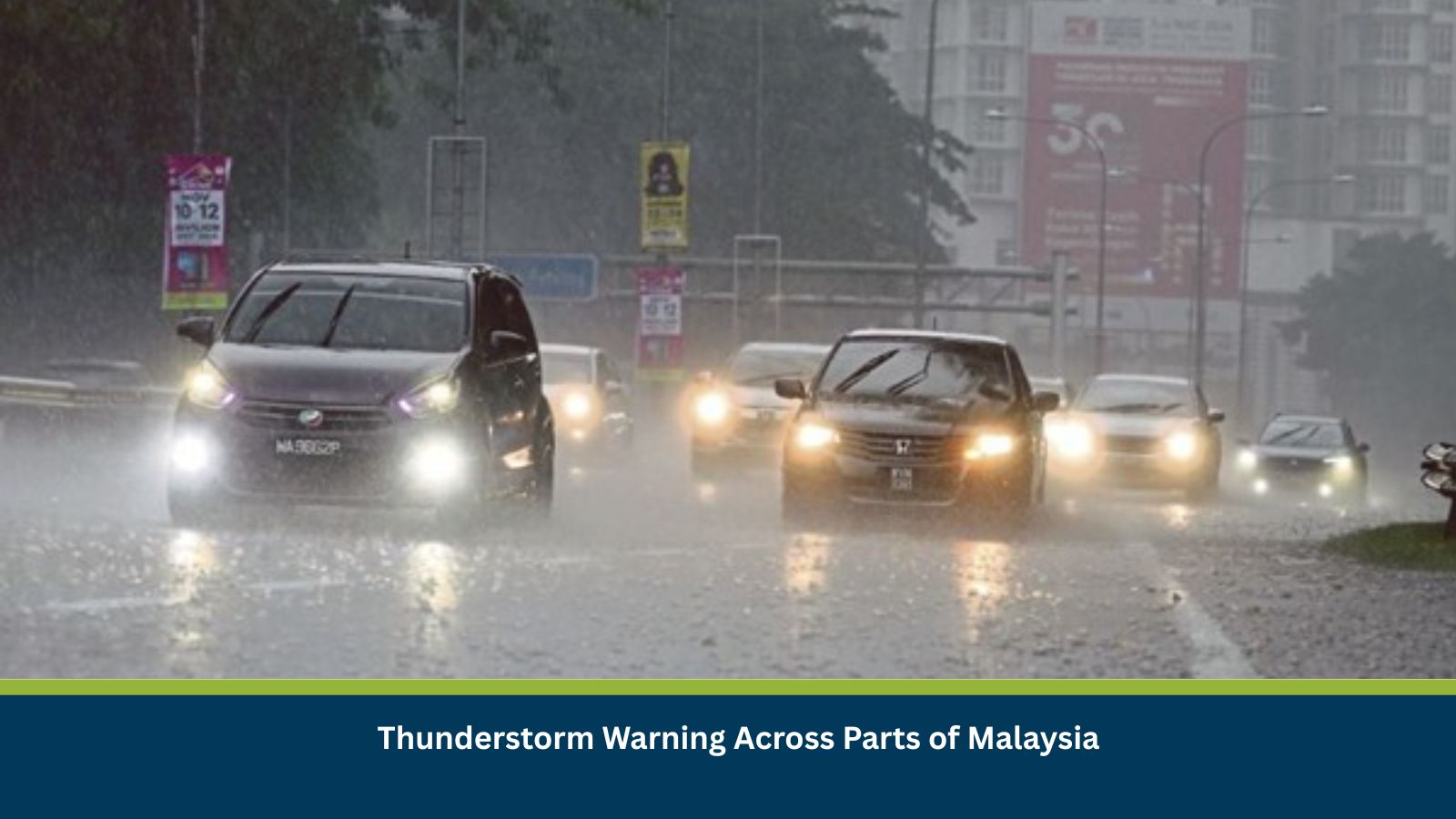
Environmental risk analysis evaluates hazards arising from weather and climate-driven events such as thunderstorms, floods and extreme rainfall. In Malaysia, short-duration convective storms are a recurring environmental risk, particularly during inter-monsoon periods. These events are relevant due to their ability to cause sudden flash flooding, infrastructure strain and temporary service disruption despite limited advance warning.
Executive Summary
- Date of Event: 09 January
- Location: Malaysia (Perak, Selangor, Sarawak, Sabah and FT Labuan)
- Risk Category: Environment
- Severity Score: 3/ 5
- Confidence Level: 75 %
MetMalaysia has issued a thunderstorm warning for multiple districts across Malaysia, forecasting heavy rain, lightning and gusty winds. Impacts are expected to be localized and short-lived, with the highest disruption window lasting six to 12 hours and residual flooding risk extending up to 36 hours in low-lying areas. The risk is assessed as moderate, with potential effects on mobility, utilities and short-term business continuity.
Current Updates
The warning covers Perak (Manjung, Perak Tengah, Bagan Datuk, Hilir Perak), Selangor (Sabak Bernam, Kuala Selangor, Klang), Sarawak (Bintulu) and parts of Sabah and Labuan. Conditions are expected to intensify from afternoon into evening, with municipal and utility teams historically placed on standby during similar advisories.
Known Hotspots and Sensitive Areas
High Impact: Low-lying coastal and urban areas in Manjung, Klang and Kuala Selangor, which frequently experience surface flooding during thunderstorms.
Medium Impact: Bintulu coastal precincts and selected districts in Sabah and Labuan, where strong winds and heavy rain can disrupt access roads and utilities.
Low Impact: Inland elevated areas with better drainage, where impacts are typically limited to brief downpours.
Thunderstorm-related disruptions show a recurring seasonal pattern, particularly during inter-monsoon periods.
Impact on Transportation and Services
Localized road inundation and fallen trees may disrupt commuter routes and district connectors, including coastal and low-lying roads. Public transport and short-haul logistics are likely to face delays during peak rainfall. Regional airports and ferry services may experience brief schedule adjustments. Businesses may see short-term operational pauses, reduced staffing and temporary power interruptions affecting retail and light industrial activity.
Recommended Actions
- Organizations should activate short-notice storm response protocols, suspend non-essential outdoor work and secure loose equipment.
- Remote work options should be enabled where feasible, and logistics routes adjusted away from flood-prone corridors.
- Asset protection measures, including relocation of critical equipment and verification of backup power systems, are advised.
- Continuous monitoring of MetMalaysia updates and coordination with local authorities are essential.
Multidimensional Impact
No additional non-related events have been identified that would compound the impacts of the thunderstorm warning.
Emergency Contacts
- Malaysia Emergency Response: 999
- MetMalaysia: met.gov.my/
Final Thoughts
The risk trajectory indicates a moderate, localized environmental disruption with impacts concentrated within a short timeframe. Businesses and local authorities should monitor rainfall intensity, drainage performance and power restoration timelines. Early-warning systems and preparedness platforms such as MitKat’s Datasurfr can support timely decision-making and reduce operational disruption. Stay ahead of operational risks with real-time alerts, scenario modeling, and expert advisories with datasurfr’s Predict. Start your 14-day free trial of Datasurfr’s Risk Intelligence Platform today.