





What is Risk Analysis in the Context of Travel Risks Events
Travel risk analysis evaluates disruptions to mobility caused by environmental, operational, or security factors that affect passenger movement and transport infrastructure. In winter-prone regions, extreme cold, ice accumulation, and freezing spray regularly impair marine transport. Historical ferry suspensions in New York during severe winters highlight the relevance of proactive risk monitoring to safeguard passenger safety and ensure continuity across interconnected transit networks.
Executive Summary
- Date of Event: 29 January
- Location: New York City, United States
- Risk Category: Travel Risks
- Severity Score: 4 / 5
- Confidence Level: 85 %
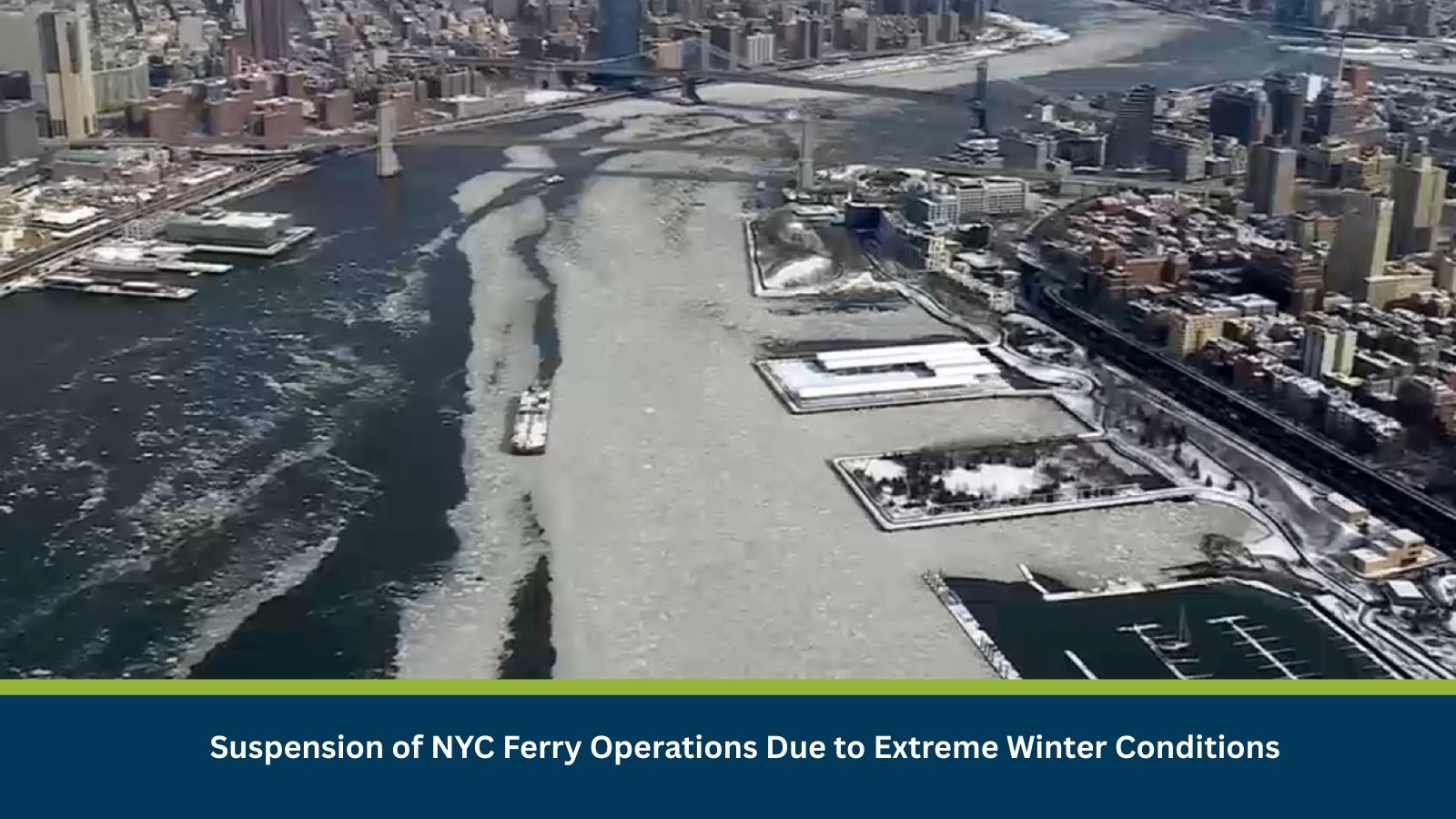
NYC Ferry operations are suspended on 29 January due to hazardous ice conditions across the Hudson River and New York Harbor. Similar winter events between 2015 and 2025 indicate a likely disruption window of 24–72 hours, with a lower-probability extension of up to seven days if subzero temperatures persist. The suspension significantly impacts commuter mobility and ferry-dependent businesses, while increasing pressure on alternative transport modes. Safety considerations and infrastructure icing justify the elevated severity rating.
Current Updates
NYC Ferry has formally announced service suspension for 29 January citing icy waterways. National Weather Service advisories continue to warn of extreme cold and freezing spray. The US Coast Guard and port authorities are monitoring channel conditions; no restart timeline has been issued. Subway, bus, and commuter rail services remain operational but are expected to experience higher passenger volumes.
Known Hotspots and Sensitive Areas
High Impact:
- Hudson River ferry terminals in Midtown West, Lower Manhattan, Hoboken, and Weehawken
- Pier infrastructure and gangways exposed to ice buildup
Medium Impact:
- West Side Highway corridors and tunnel approaches absorbing diverted commuter traffic
Low Impact:
- Interior city zones with limited ferry dependency
Seasonal recurrence is high, with winter cold snaps historically triggering similar ferry suspensions.
Impact on Transportation and Services
The suspension eliminates a key commuter mode, forcing a modal shift to subways, buses, PATH, and road networks. This is likely to result in congestion, longer travel times, and overcrowding during peak hours. Businesses reliant on ferry-accessible labour pools may experience absenteeism or delayed openings. Small-scale freight and waterfront services face short-term delivery delays, while digital communications remain largely unaffected.
Recommended Actions
Immediate Actions:
- Enable remote work or flexible scheduling for ferry-dependent employees.
- Communicate alternate commuting options and provide transit subsidies where feasible.
- Secure waterfront assets and inspect facilities for ice-related hazards.
Strategic Measures:
- Integrate ferry suspension scenarios into winter continuity planning.
- Coordinate with NYC DOT, MTA, and US Coast Guard advisories for real-time updates.
- Invest in workforce mobility mapping to reduce reliance on single transport modes.
Multidimensional Impact
Increased strain on subways and roadways may marginally slow emergency response times. The suspension also compounds challenges from concurrent cold-related incidents, heightening public scrutiny of urban winter preparedness.
Emergency Contacts
- National Weather Service: weather.gov/
- Emergency Services: 911
- NYC Ferry service alerts: ferry.nyc/service-alerts/
- NYC Department of Transportation: nyc.gov/dot
Final Thoughts
The ferry suspension represents a high-impact but time-bound travel disruption driven by environmental risk. Close monitoring of weather advisories and channel clearance updates is essential. For businesses and policymakers, the event underscores the value of early-warning systems and integrated preparedness platforms such as MitKat’s Datasurfr to anticipate disruptions and maintain operational resilience during extreme winter conditions.
Stay ahead of operational risks with real-time alerts, scenario modeling, and expert advisories with datasurfr’s Predict. Start your 14-day free trial of Datasurfr’s Risk Intelligence Platform today.