





Executive Summary for the Railway Disruptions in New Jersey
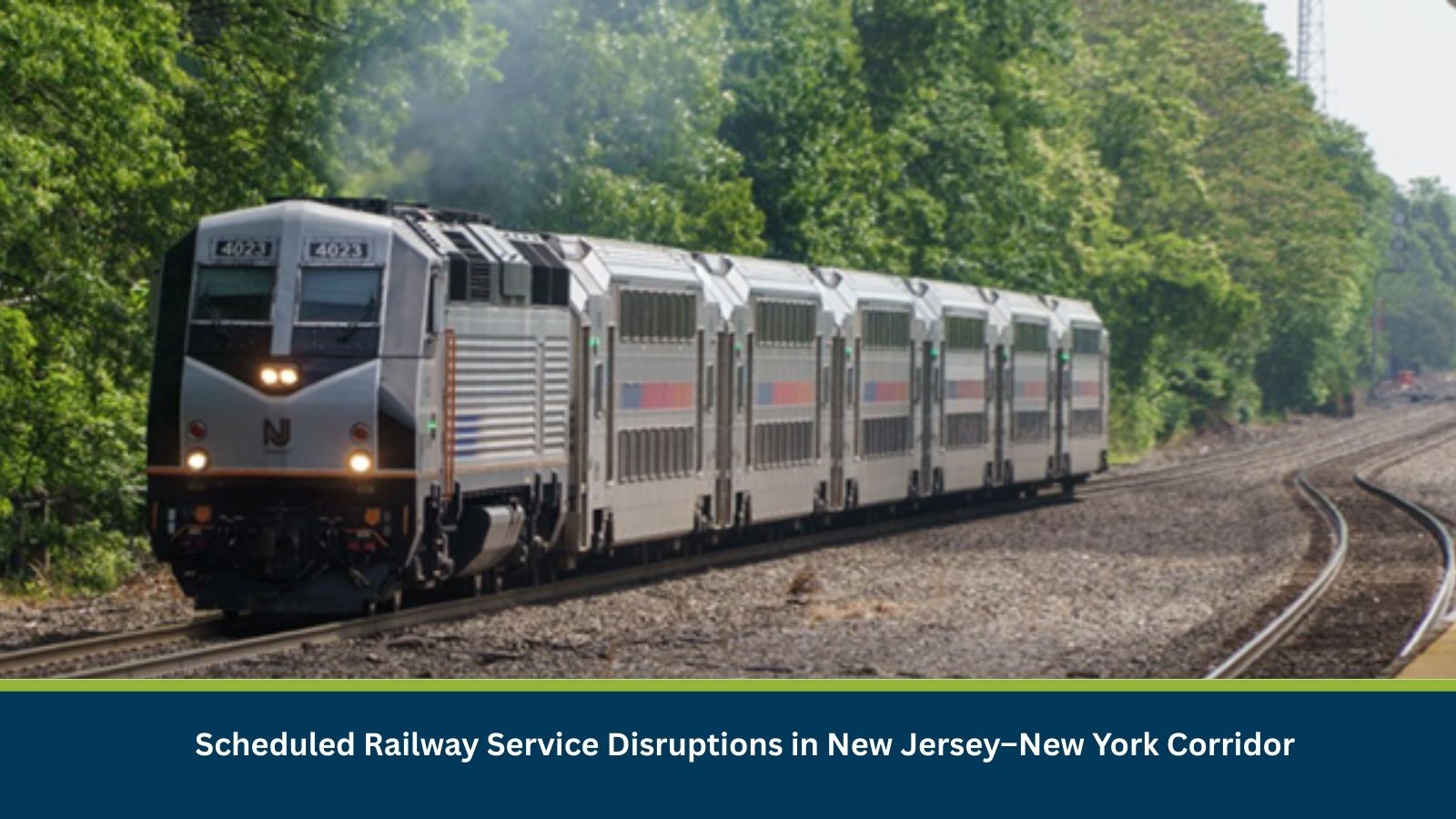
From 15 February, scheduled Portal Bridge and corridor works will alter NJ Transit and Amtrak services for approximately four weeks. Reduced train frequency, modified stopping patterns and supplemental bus bridging are expected. The highest disruption risk lies within the first 72 hours and recurring weekday peak commuting periods. Impacts include commuter delays of 20–45 minutes, transfer congestion at Secaucus and Hoboken and increased vehicular traffic through Hudson River crossings.
- Date of Event: 15 February
- Location: New Jersey, New York, United States
- Risk Category: Travel Risks
- Severity Score: 3 / 5
- Confidence Level: 80 %
What is Risk Analysis in the Context of Travel Risks Events
Travel risk analysis assesses disruptions affecting passenger mobility, transportation infrastructure and commuter safety. This includes planned maintenance, infrastructure failures and service suspensions. In high-density corridors such as the Newark–New York Penn Station segment, even scheduled rail maintenance can trigger cascading delays, congestion and operational strain. Historical Portal Bridge cutovers, signal faults and overhead wire incidents demonstrate that infrastructure maintenance in the Northeast Corridor (NEC) often produces peak-hour travel disruption and secondary roadway congestion.
Known Hotspots and Sensitive Areas
High Impact:
- Newark–New York Penn Station corridor
- Secaucus Junction transfer hub
- Hoboken Terminal
- Portal Bridge / Hackensack River worksite
Medium Impact:
- Lincoln and Holland Tunnel approaches
- Meadowlands and Secaucus access roads
Low Impact:
- Peripheral New Jersey commuter lines not directly linked to NEC cutover
Recurring disruption patterns typically peak during weekday 0600–1000 hours and 1600–1900 hours commuter windows.
Impact on Transportation and Services
Rail service reductions will increase passenger density at key interchange points and lengthen dwell times. Supplemental bus bridging may not fully offset peak capacity gaps. Road congestion is expected to intensify across Hudson River crossings and adjacent arterials. Businesses reliant on commuter punctuality may experience productivity losses and staffing delays. Freight movement impact remains limited; however, local truck congestion may delay time-sensitive deliveries. No systemic communications or utility outages are currently reported.
Recommended Actions
Immediate Actions:
- Activate a cross-functional disruption response team within 24 hours.
- Implement flexible working hours and remote-work authorisations.
- Pre-position essential staff at alternate facilities in Newark, Jersey City or Hoboken.
- Issue regular commuter advisories aligned with NJ Transit and Amtrak updates.
Strategic Measures:
- Review business continuity planning for multi-week transport disruptions.
- Establish alternative logistics routing and timed trucking windows.
- Coordinate with state transport authorities and emergency management agencies for escalation updates.
- Document operational impacts for regulatory and insurance purposes.
Multidimensional Impact
Cold weather conditions may elevate exposure risks for commuters facing extended waits. Concurrent infrastructure incidents or public gatherings could amplify congestion. Reduced rail capacity may also strain healthcare staffing, municipal services and time-sensitive commercial operations along the corridor.
Emergency Contacts
- Emergency Services: 911
- NJ Transit Service Center: njtransit.com
- Amtrak Customer Support: amtrak.com/contact-us
Final Thoughts
The scheduled rail maintenance presents a moderate but sustained travel risk over a four-week window. The first 72 hours remain critical for monitoring operational stability and secondary disruptions. Employers should prioritise commuter contingency planning, real-time communication and workforce flexibility.
Stay ahead of operational risks with real-time alerts, scenario modelling, and expert advisories with datasurfr’s Predict. Start your 14-day free trial of Datasurfr’s Risk Intelligence Platform today.