




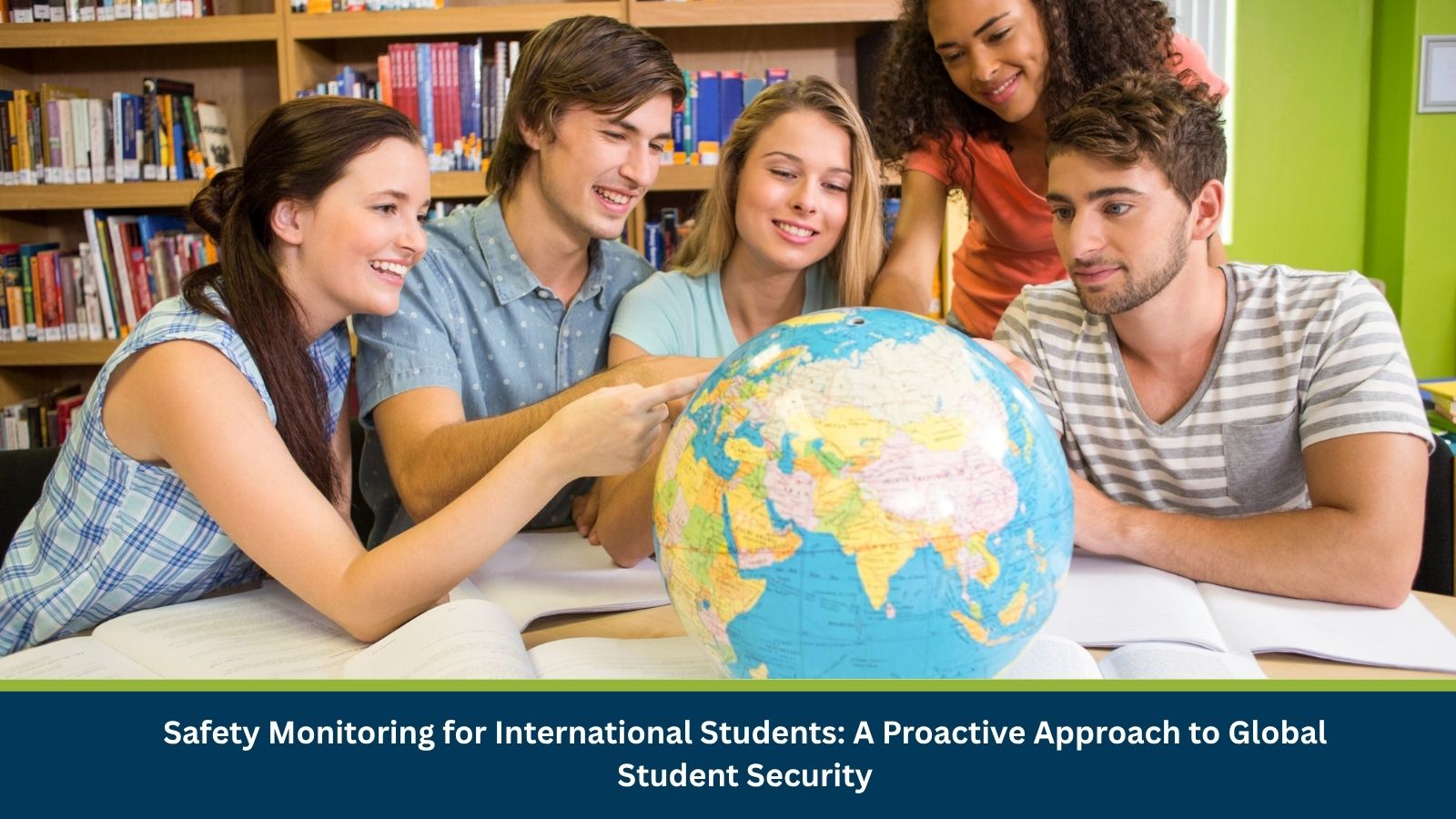
Studying abroad is a life-changing experience—but it also comes with unique safety challenges. From navigating unfamiliar environments to responding to emergencies in a foreign country, international students often face risks that require real-time awareness and support.
This is where safety monitoring for international students becomes essential—helping institutions, parents, and students stay informed, connected, and prepared.
Why Safety Monitoring for International Students Matters
Every year, millions of students travel across borders for education. While universities prioritize safety, traditional systems often fall short in providing real-time visibility and response.
Key concerns include:
- Unfamiliar local laws and environments
- Health and medical emergencies
- Crime, harassment, or personal safety risks
- Natural disasters and geopolitical tensions
- Communication gaps during crises
Safety monitoring bridges this gap by enabling proactive risk management and faster response.
What is International Student Safety Monitoring?
Safety monitoring refers to the use of technology, communication systems, and risk intelligence to track, alert, and protect students during their time abroad.
It combines:
- Real-time alerts
- Location awareness
- Emergency communication
- Institutional oversight
The goal is simple: ensure student safety anytime, anywhere.
Key Components of Student Safety Monitoring Systems
1. Real-Time Risk Alerts
Students receive alerts about:
- Local incidents (crime, protests, weather disruptions)
- Travel advisories
- Health risks or emergencies
This helps them avoid danger before it escalates.
2. Location Tracking & Geo-Awareness
With consent, institutions can:
- Monitor student locations during travel or emergencies
- Send location-based alerts
- Provide faster assistance when needed
3. Emergency SOS & Communication
Students can instantly:
- Trigger SOS alerts
- Contact university or emergency services
- Share live location during distress
4. 24/7 Monitoring & Support
Dedicated teams or systems ensure:
- Continuous monitoring of global risks
- Rapid escalation and response
- Coordination with local authorities if required
5. Compliance & Duty of Care
Institutions are increasingly responsible for:
- Student safety under global duty-of-care standards
- Risk assessments for study abroad programs
- Emergency preparedness plans
Top Risks Faced by International Students
Geopolitical & Environmental Risks
- Political unrest
- Natural disasters
- Public health emergencies
Personal Safety Risks
- Theft or assault
- Harassment
- Unsafe transportation
Health & Medical Emergencies
- Illness or injury
- Lack of access to healthcare
- Mental health challenges
Digital & Cyber Risks
- Online fraud
- Data breaches
- Identity theft
How Technology is Transforming Student Safety
AI-Driven Risk Intelligence
Advanced systems analyse global data to:
- Predict potential risks
- Deliver targeted alerts
- Reduce false alarms
Geo-Fencing & Smart Alerts
Students receive notifications based on:
- Their exact location
- Proximity to risk zones
Mobile Safety Apps
Provide:
- One-touch emergency alerts
- Safety check-ins
- Real-time updates
Integrated Safety Platforms
Universities can manage:
- Student data
- Risk alerts
- Emergency response
—all in one centralized system.
Challenges in Implementing Safety Monitoring
While essential, institutions face challenges such as:
- Privacy concerns around location tracking
- Ensuring student adoption and engagement
- Integration with existing systems
- Managing global compliance requirements
The solution lies in transparent policies, consent-based tracking, and user-friendly tools.
Best Practices for Universities & Institutions
To strengthen student safety, institutions should:
Adopt a Proactive Safety Framework
Move beyond reactive response to real-time monitoring and prevention.
Use Technology for Real-Time Visibility
Implement platforms that provide instant alerts and location insights.
Educate Students on Safety Protocols
Awareness is critical — students must know how to respond during emergencies.
Establish Clear Communication Channels
Ensure students can quickly reach:
- University authorities
- Emergency services
Prioritize Privacy & Trust
Use opt-in systems and clearly communicate how data is used.
The Future of International Student Safety
As global mobility increases, safety monitoring will become a standard requirement for educational institutions.
Future systems will focus on:
- Predictive risk intelligence
- Hyper-local alerts
- Seamless global communication
- Personalized safety recommendations
The goal is not just protection—but empowering students to explore the world with confidence.
FAQs:
1. What is safety monitoring for international students?
It refers to systems and tools that provide real-time alerts, location tracking, and emergency support to ensure student safety abroad.
2. How do safety monitoring systems help students?
They provide timely alerts, enable quick emergency response, and keep students informed about potential risks in their location.
Datasurfr helps institutions protect international students by delivering real-time, location-based risk alerts and enabling faster response to emerging safety threats worldwide.