





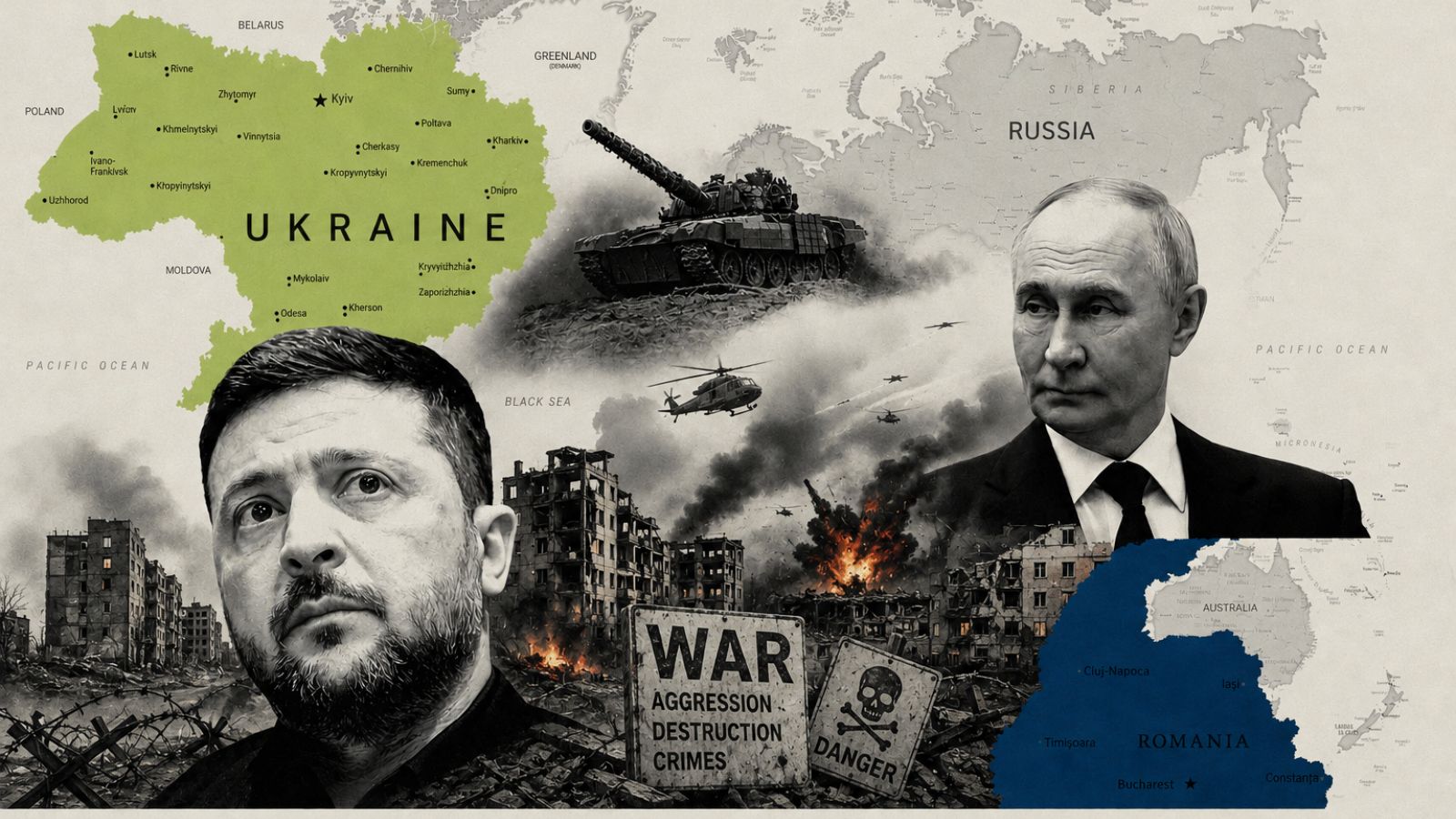
Russia-Ukraine War: Managing the Long-Term Business Risks in Europe
The war in Ukraine has become Europe’s longest conflict since the Second World War. On 11 June 2026 it passed 1,569 days, overtaking the duration of the First World War, with no clear end in sight.
For businesses operating in Europe, this means the Russia-Ukraine war is no longer a short-term crisis that can be managed. The war has become a lasting feature of the operating environment, with ongoing effects on critical infrastructure, supply chains, sanctions and business continuity.
Why the War Is a Long-Term Business Risk
A short conflict can be managed as an exception. A war entering its fifth year – without a short- to medium term prospect for succesfull peace negotiations – has to be structurally incorporated into planning and security strategy.
Key reasons it now matters for business:
- The conflict shows no sign of a quick resolution
- Disruption has spread well beyond the front line
- Cyber and physical incidents across Europe have increased year on year
- European infrastructure and supply chains remain exposed
Core Risks to Business Continuity
1. Critical Infrastructure Disruption
Energy, telecommunications, transport and water systems are increasingly exposed to both cyber and physical disruption.
Why it matters:
- Outages and cable or pipeline damage can halt operations
- Disruption upstream affects firms even when they are not the direct target
- Years of underinvestment have left parts of European critical infrastructure vulnerable
2. Direct Targeting of Certain Sectors
Some industries face a higher and more direct level of risk. Most exposed sectors:
- Energy and utilities
- Telecommunications
- Defence and defence-linked supply chains
- Transport and logistics
For these sectors, specifically those located in European countries that are near the conflict zone or are big supporters of Ukraine, security planning should assume the organisation may be a deliberate target of cyber or ransome attacks.
3. Supply Chain Disruption
Logistics routes and supply chains across Europe face recurring pressure.
Common impacts:
- Delays at logistics nodes and transport corridors
- Higher freight, insurance and rerouting costs
- Loss of access to certain markets, inputs and suppliers
4. Expanding Sanctions Regime
Successive sanctions packages continue to change the compliance landscape.
What businesses should watch:
- New restrictions on trade, finance and technology
- Updated counterparty and ownership checks
- Both legal and reputational risk from non-compliance
What Security and Risk Teams Should Do
Real-time risk monitoring. Track infrastructure incidents, cyber advisories and sanctions updates across different operating locations.
Map and mitigate supply chain exposure. Identify dependencies on vulnerable infrastructure and build buffers and alternatives.
Continously review sanctions compliance. Review counterparty screening regularly as new packages are introduced.
Strengthen critical systems resilience. Build redundancy into key systems and providers.
Plan for continuity. Maintain crisis response plans that assume prolonged disruption.
Conclusion
The war in Ukraine has outlasted the First World War, and its effects on European business will continue regardless of how the front line changes day by day. Infrastructure risk, supply chain disruption and an expanding sanctions regime are now structural conditions rather than temporary shocks. Organisations that treat these as long-term risks—monitoring continuously, strengthening systems and planning for continuity—will be best placed to protect their people, operations and assets.
Role of Real-Time Risk Intelligence
Disruption linked to the war is dispersed, continuous and often hard to attribute. This makes early visibility essential. Datasurfr helps European organisations manage these risks by tracking infrastructure incidents, cyber disruption and sanctions developments in real time, connecting isolated events into a single, actionable risk picture for corporate security, business continuity and risk teams.