





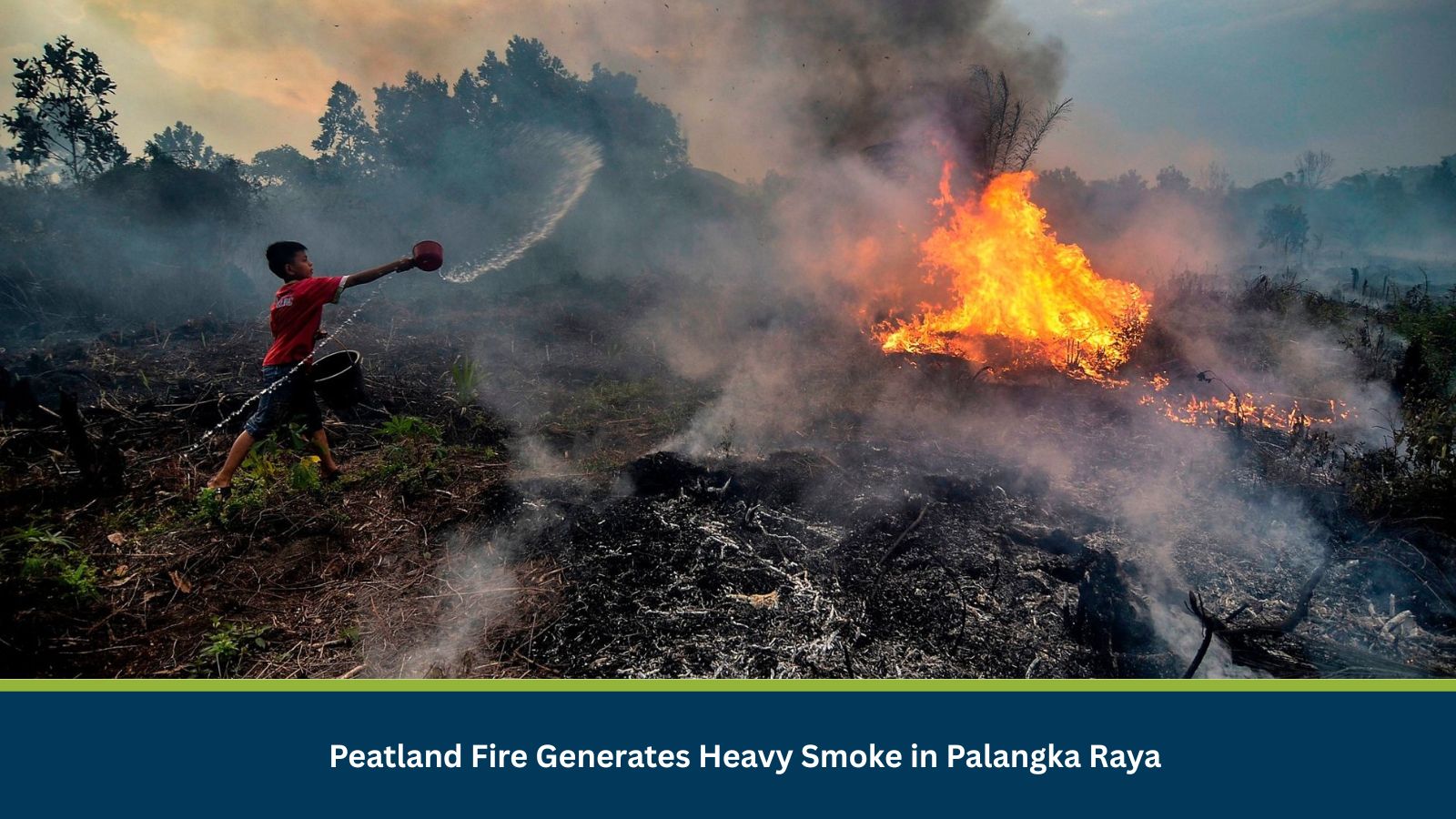
Executive Summary for Peatland Fire in Palangka Raya
A peatland fire affecting approximately six hectares has been reported in Palangka Raya, Central Kalimantan, producing thick smoke that has spread across nearby areas. Firefighters continue efforts to contain the blaze as authorities monitor air quality and the potential for further fire spread under dry conditions.
- Date of Event: 28 July 2026
- Location: Palangka Raya, Central Kalimantan, Indonesia
- Risk Category: Natural Disasters
- Severity Score: 3 / 5
- Confidence Level: 75%
What is Risk Analysis in the Context of Natural Disaster Events
Natural disaster event risk analysis assesses the impact of extreme weather incidents like prolonged fires on public health, air quality, transportation and environmental conditions. Peat fires are particularly challenging to extinguish because they burn beneath the surface, often producing persistent smoke and haze over extended periods.
Known Hotspots and Sensitive Areas
High Impact
- Burnt peatland area in Palangka Raya
- Nearby residential communities
- Fire suppression zones
Medium Impact
- Major roads affected by reduced visibility
- Schools and healthcare facilities
- Outdoor workplaces
Low Impact
- Areas outside the smoke plume
- Indoor facilities with adequate air filtration
Impact on Transportation and Services
Dense smoke may reduce visibility on roads, degrade air quality and disrupt outdoor activities. Prolonged exposure to haze could increase respiratory health concerns, particularly for vulnerable groups.
Recommended Actions
- Avoid unnecessary outdoor activities in smoky areas.
- Wear appropriate respiratory protection if exposed to haze.
- Follow local air quality advisories.
Emergency Contacts
- Emergency Services: 112
- Fire and Rescue: 113
Final Thoughts
The peatland fire presents an environmental and public health risk, primarily due to persistent smoke and the potential for continued fire spread. Ongoing firefighting operations and monitoring remain essential. Leveraging MitKat’s Datasurfr enables businesses to receive real-time intelligence, monitor evolving threats and make informed decisions to protect people, assets and operations.