





What is Risk Analysis in the Context of Environment Events
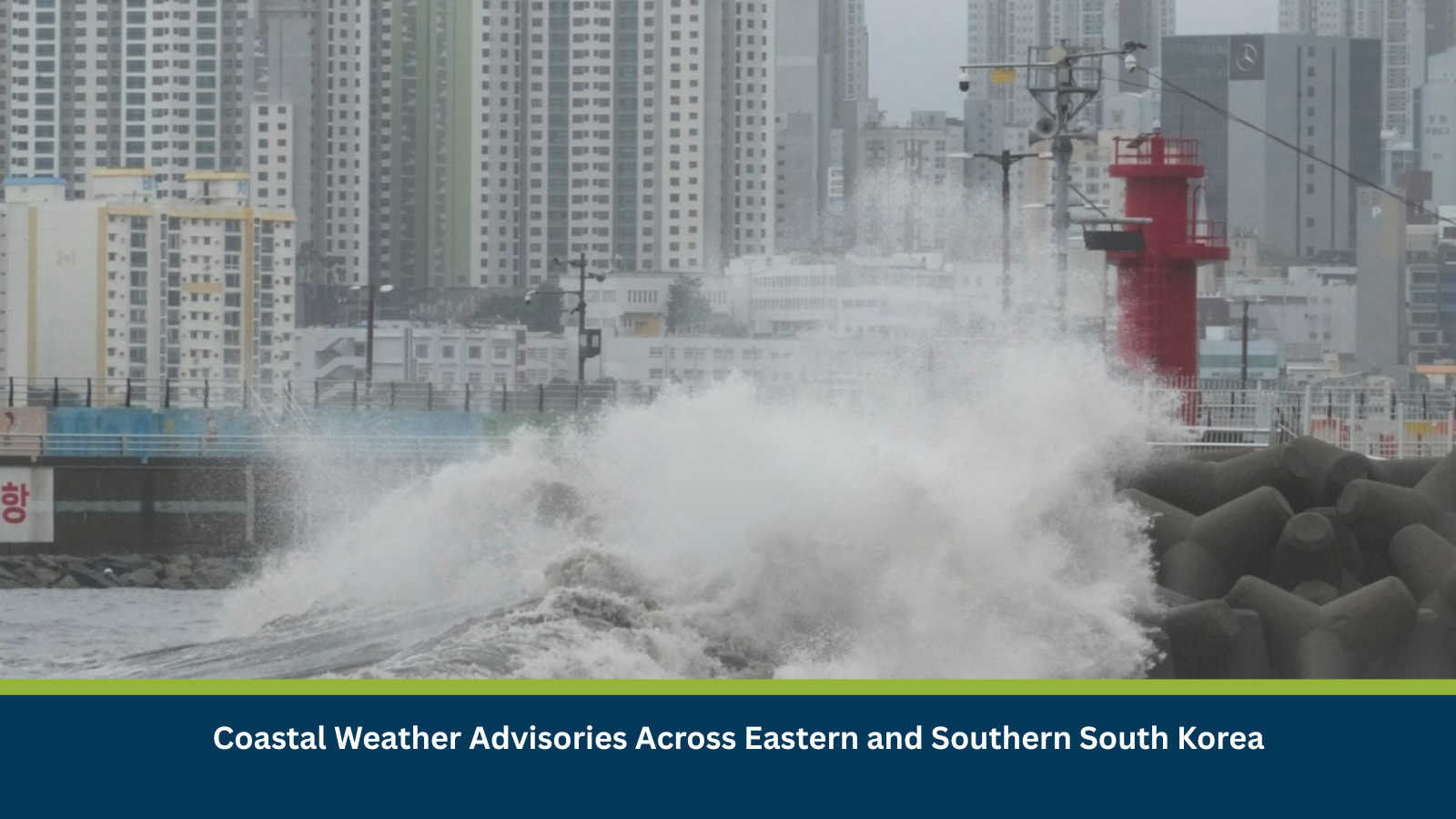
Environmental risk analysis assesses hazards arising from natural phenomena such as storms, strong winds, heavy rain, snow or coastal surge, and evaluates their impact on people, infrastructure and business operations. In South Korea, early-winter weather systems regularly produce coastal advisories driven by strong cold-air advection, orographic enhancement and East Sea marine effects. Historical events show that such advisories cause temporary transport disruption, utility outages, ferry suspensions and damage to coastal assets, especially in Gangwon and southeastern provinces.
Executive Summary
- Date of Event: 08 December
- Location: Sokcho, Samcheok, Donghae, Gangneung, East Sea, Ulleungdo Dokdo, Hongdo, Heuksando, Busan, Ulsan, Changwon
- Risk Category: Environment
- Severity Score: 3 / 5
- Confidence Level: 75 %
KMA has issued strong wind and rough-sea advisories across eastern and southern coastal areas. The likely impact window is 24 to 72 hours, with peak effects in the first 48 hours. Expected impacts include coastal road restrictions, port and ferry suspensions, localized power outages and elevated safety risks from debris and sea spray. Severity is moderate, consistent with historical early-winter events.
Known Hotspots and Sensitive Areas
High Impact:
- East Coast ports and ferry terminals (Sokcho, Gangneung, Donghae).
- Exposed coastal roads including National Route 7 and Donghae Expressway.
- Ulleungdo Dokdo sea corridors subject to hazardous wave conditions.
Medium Impact:
- Small fishing harbors, piers and low-lying coastal neighborhoods in Sokcho Bay and Gangneung.
- Gangwon mountain passes where enhanced snowfall is possible.
Low Impact:
- Inland districts in Busan, Ulsan and Changwon experiencing limited secondary wind effects.
Seasonal recurrence is common in December due to strong wind patterns and cold-air outbreaks.
Impact on Transportation and Services
Short-term road closures or speed restrictions may affect coastal expressways and National Route 7. Ferry services along the East Sea corridor may be suspended, and commercial port operations could slow or halt temporarily. Localized power outages may affect small businesses and households, while intermittent telecom disruption is possible if overhead lines are damaged. Coastal tourism, fisheries and outdoor commercial operations may face temporary suspension.
Recommended Actions
Immediate Measures:
- Initiate the Coastal Weather Response Protocol; ensure personnel check-ins for all coastal sites.
- Secure outdoor assets, anchor loose equipment and elevate vulnerable inventory.
- Suspend staff travel on coastal roads; provide remote-work options and emergency transport arrangements.
Strategic Measures:
- Transfer operations to pre-identified inland facilities and ensure backup generators have 72-hour fuel reserves.
- Issue customer notifications with updated delivery schedules and service adjustments.
- Maintain contact with municipal offices for evacuation advisories and shoreline safety directives.
Emergency Contacts
- Korea Meteorological Administration: kma.go.kr
- Korea Coast Guard: kcg.go.kr
- Fire & Rescue Services: 119
Final Thoughts
Weather conditions are expected to normalise within 72 hours, but localized delays and minor damage are likely. Businesses should maintain situational monitoring, prioritise staff safety and secure assets. Enhanced preparedness through early-warning systems such as MitKat’s Datasurfr can significantly strengthen continuity planning for recurring coastal weather hazards.
Stay ahead of operational risks with real-time alerts, scenario modeling, and expert advisories with datasurfr’s Predict. Start your 14-day free trial of Datasurfr’s Risk Intelligence Platform today.