





What is Risk Analysis in the Context of Travel Risk Events
Travel risk analysis evaluates threats that affect the safe, timely, and reliable movement of people and goods. It assesses disruptions arising from transport strikes, infrastructure failures, adverse weather, or accidents. In Greece, rail and transport strikes occur frequently and have historically caused nationwide shutdowns, forcing shifts to alternative travel modes and escalating road congestion. Similar actions earlier in 2025, including nationwide transport strikes in February, April, June, and October, demonstrate the recurrent nature of railway labour disputes and their high operational impact on commuters and businesses.
Executive Summary
- Date of Event: 18 November 2025
- Location: Athens, Thessaloniki, Patras, Larissa, Kiato, Piraeus, Platy, Alexandroupoli
- Risk Category: Travel Risks
- Severity Score: 4 / 5
- Confidence Level: 90 %
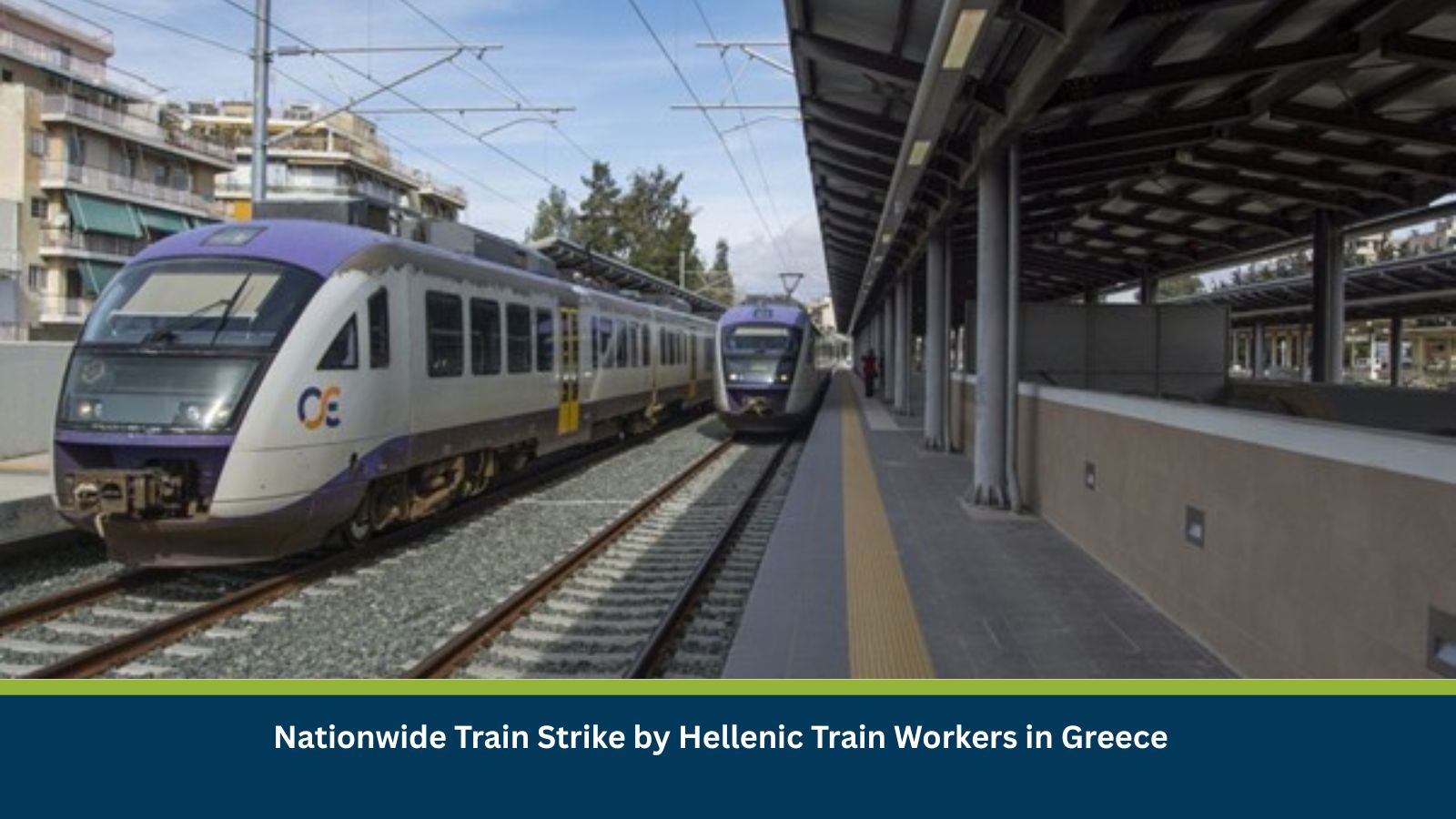
A 24-hour nationwide strike by Hellenic Train workers will halt all train services across Greece. Intercity routes and Proastiakos suburban networks will be fully suspended. Substantial travel delays, increased road congestion, and short-term supply chain interruptions are expected. The severity is high given consistent historical precedence for complete service cessation during similar labour actions.
Known Hotspots and Sensitive Areas
High Impact:
- Athens Central (Larissa) Station, Thessaloniki Railway Station, and major Proastiakos hubs in Piraeus, Kiato, Patras, and Larissa.
- Key intercity corridors including Athens–Thessaloniki and Athens–Patras.
Medium Impact:
- Transport nodes near the Port of Piraeus and Athens International Airport where passenger overflow is expected.
- Urban centres likely to experience heightened congestion due to diverted commuters.
Low Impact:
- Peripheral regional stations in Alexandroupoli and Platy with lower commuter density.
Recurring transport strikes in Greece frequently lead to high-demand surges on buses, taxis, and ferries, particularly in Athens and Thessaloniki.
Impact on Transportation and Services
Rail transport will be entirely suspended for 24 hours. Road traffic in major cities is expected to rise substantially, with severe congestion during peak hours. Public buses and taxis will experience increased demand and missed train connections may affect port and airport operations. Business activities requiring employee commuting or rail freight will face delays, while client meetings or intercity travel may be postponed.
Recommended Actions
Immediate Measures:
- Implement remote work or staggered shifts for rail-dependent employees.
- Activate logistics contingencies by shifting freight to road or adjusting delivery schedules.
- Issue external advisories to clients outlining expected delays and offering virtual engagement options.
Strategic Measures:
- Review organizational travel policies for recurring Greek transport strikes.
- Conduct facility-level security checks near major stations to anticipate crowds.
- Maintain real-time monitoring of national advisories and strike extensions.
Multidimensional Impact
Future protests or strikes—such as upcoming builders’ or farmers’ mobilizations—may experience travel planning complications due to disrupted rail networks. No impact is expected on unrelated geopolitical or weather developments.
Emergency Contacts
- Greek Emergency Number: 112
- Hellenic Train Customer Support: 14511
- Ministry of Infrastructure & Transport: yme.gov.gr
Final Thoughts
The event represents a high-impact but time-bound travel disruption. Businesses should anticipate congestion spillovers and ensure continuity through remote work, proactive communication, and logistical flexibility. Leveraging early-warning systems such as MitKat’s Datasurfr will strengthen preparedness for recurring industrial actions in Greece. Stay ahead of operational risks with real-time alerts, scenario modeling, and expert advisories with datasurfr’s Predict. Start your 14-day free trial of Datasurfr’s Risk Intelligence Platform today.