





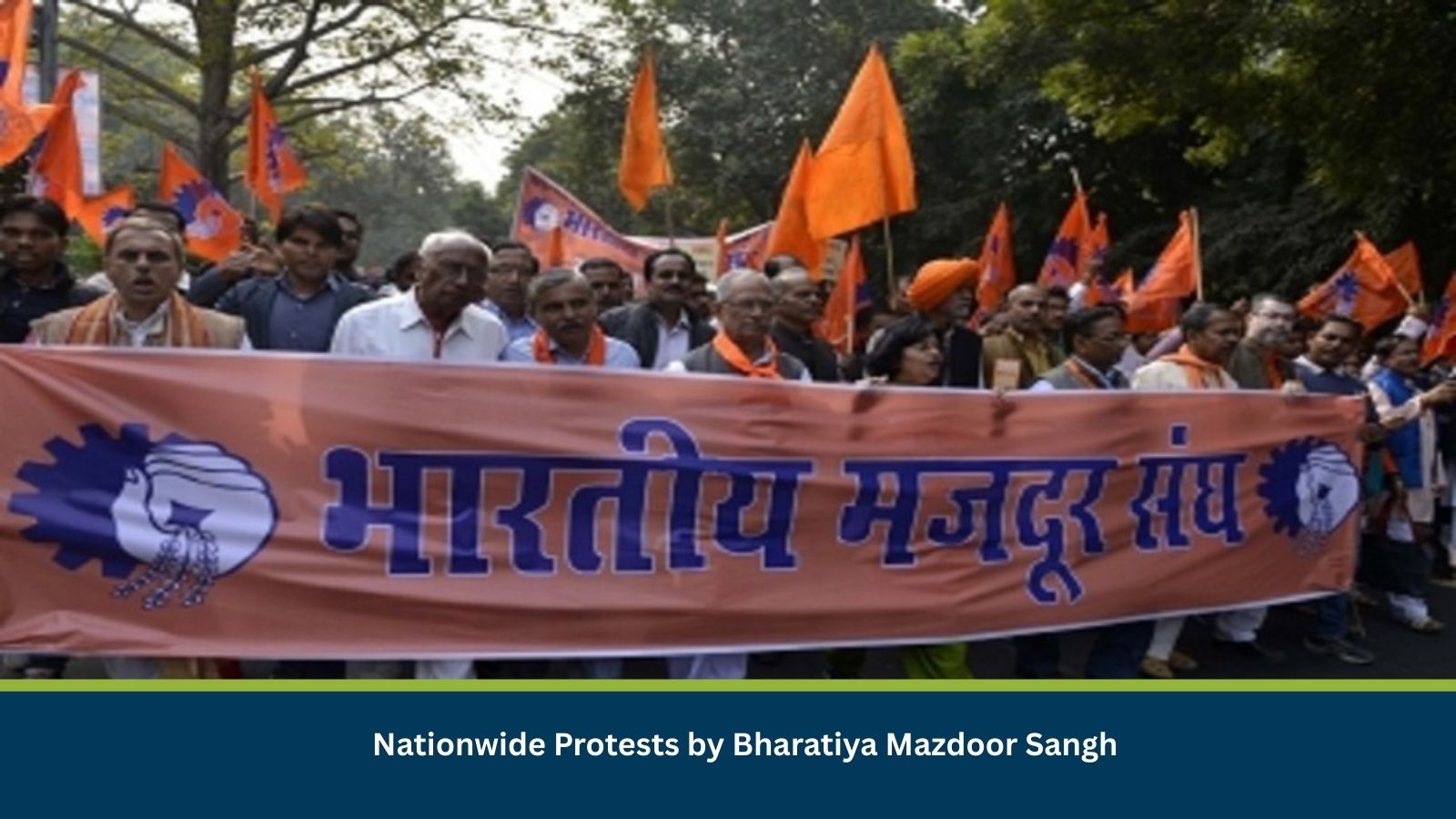
Executive Summary for the Nationwide Protests in India
Bharatiya Mazdoor Sangh (BMS) has announced nationwide protests on 25 February. Disruptions are expected to peak within 24–72 hours, with potential localized follow-up actions over the next seven days. Impacts will likely include traffic congestion, public transport delays, selective picketing and workforce absenteeism. While widespread violence is not anticipated, localized scuffles and temporary road blockades remain possible. Overall severity is moderate, with contained but notable operational impact.
- Date of Event: 25 February
- Location: Delhi, Mumbai, Kolkata, Chennai, Bengaluru, Hyderabad, Pune, Ahmedabad, Gurugram and other states across India
- Risk Category: Civil Disturbance
- Severity Score: 3 / 5
- Confidence Level: 75 %
What is Risk Analysis in the Context of Civil Disturbance Events
Civil disturbance risk analysis evaluates threats arising from protests, strikes, demonstrations and mass mobilization events that may disrupt public order, transportation and economic activity. Labour protests in India historically generate concentrated urban disruption, particularly near government offices and transport hubs. While most nationwide strikes remain largely peaceful, they often lead to road blockades, commuter delays and intermittent clashes. Assessing protest scale, geographic spread and law enforcement posture is essential for business continuity planning and employee safety management.
Known Hotspots and Sensitive Areas
High Impact:
- Central business districts such as Connaught Place (Delhi), Bandra Kurla Complex (Mumbai) and Esplanade (Kolkata)
- Government administrative precincts and state secretariats
- Major railway stations and metro interchanges
Medium Impact:
- Industrial clusters in Maharashtra, Gujarat, Tamil Nadu and Telangana
- National highway entry and exit ramps near metropolitan areas
Low Impact:
- Peripheral residential districts and rural areas
Nationwide labour actions in India historically concentrate on arterial roads, government offices and transport hubs, producing day-of disruption with limited structural damage.
Impact on Transportation and Services
Traffic congestion and road blockades may affect arterial corridors and last-mile connectivity. Metro, bus and suburban rail services could operate at reduced frequency or experience temporary diversions. Courier and freight logistics may face 12–48-hour delays, particularly in urban centres. Business operations dependent on daily-wage labour and in-person staffing may experience reduced productivity. Digital infrastructure risk remains minimal, though access to physical assets in protest zones may be temporarily restricted.
Recommended Actions
Immediate Measures:
- Activate incident response teams across affected regions.
- Authorize remote work and staggered shifts for non-essential staff.
- Issue geo-targeted travel advisories and safe-route guidance.
- Secure facilities through access controls and enhanced on-site security.
Strategic Measures:
- Maintain real-time coordination with local police and state authorities.
- Diversify distribution routes and reposition high-value assets away from protest corridors.
- Document operational impacts for insurance and contractual compliance.
Multidimensional Impact
Protests may indirectly delay municipal services, elective healthcare appointments and planned infrastructure works due to reduced workforce availability and traffic congestion. Prolonged escalation remains unlikely without broader sectoral coordination.
Emergency Contacts
- Emergency Number: 112
Final Thoughts
The 25 February nationwide protests present a moderate civil disturbance risk with concentrated urban disruption. The primary watchpoints are traffic congestion, workforce absenteeism and supply chain delays during the first 72 hours. Businesses should prioritize employee safety, communication readiness and operational flexibility.
Stay ahead of operational risks with real-time alerts, scenario modeling, and expert advisories with datasurfr’s Predict. Start your 14-day free trial of Datasurfr’s Risk Intelligence Platform today.