





What is Risk Analysis in the Context of Travel Risks Events
Travel risk analysis focuses on disruptions affecting the movement of people and goods, including strikes, security controls, and transport system constraints. In this case, industrial action by airline and airport staff directly impacts aviation operations, passenger safety management, and time-sensitive logistics. Italy has experienced frequent aviation strikes in recent years, making such assessments essential for anticipating operational disruption and recovery timelines at both national and regional levels.
Executive Summary
- Date of Event: 31 January
- Location: Italy
- Risk Category: Travel Risks
- Severity Score: 3 / 5
- Confidence Level: 75 %
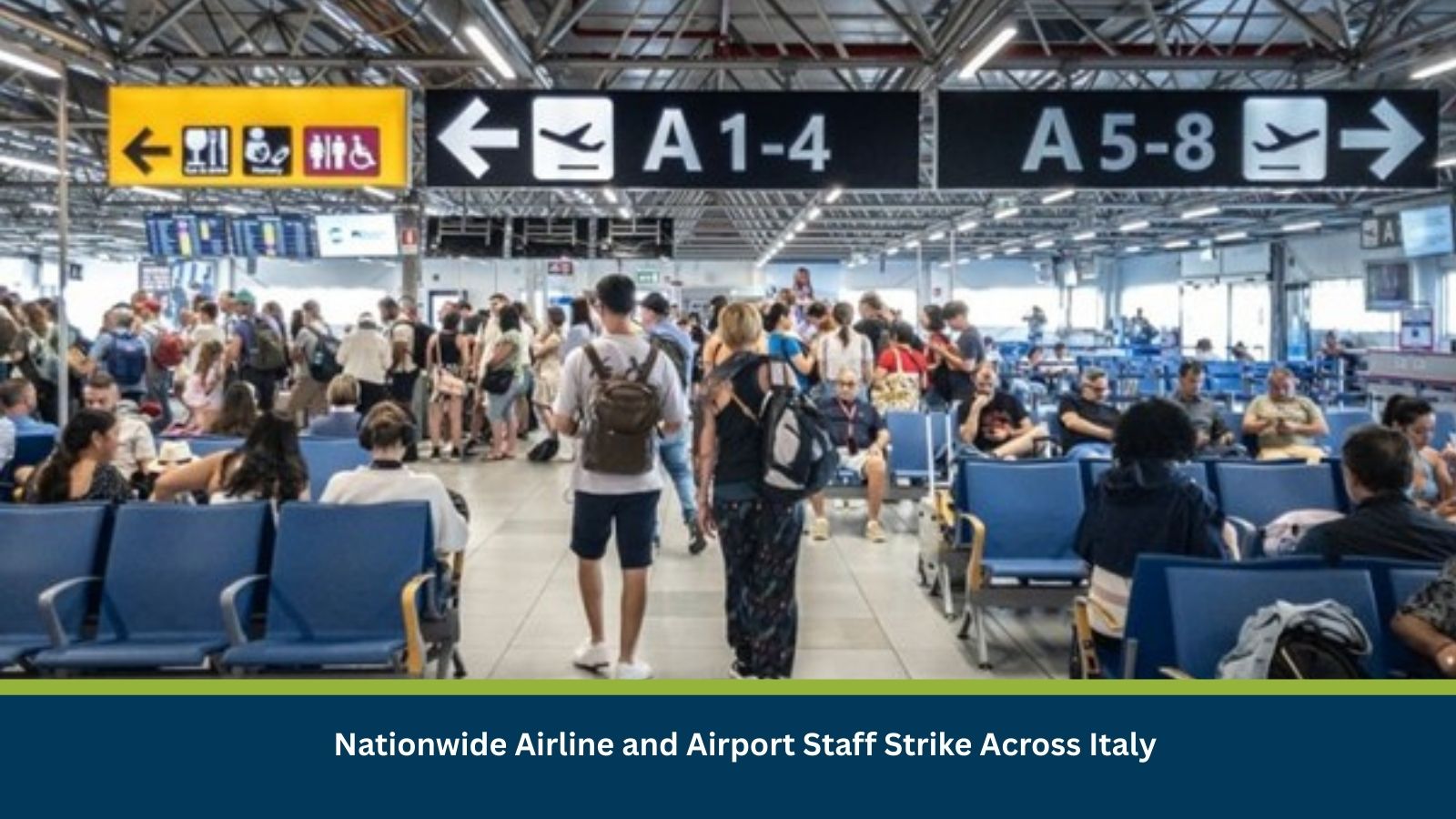
A nationwide strike by airline and airport personnel is scheduled for 31 January, with a likely peak disruption window of 12–24 hours and residual effects extending up to 72 hours. Historical patterns indicate targeted flight cancellations, long queues at check-in and security, and knock-on delays across short-haul European routes. Severity is assessed as moderate, reflecting significant operational disruption without anticipated infrastructure damage or widespread safety incidents. Confidence remains moderate-high due to recurring strike patterns and consistent outcomes in prior events.
Current Updates
Strike action has been announced affecting airline crews, ground handling, and airport staff across multiple Italian airports. Guaranteed minimum service windows may protect select long-haul and essential flights; however, many domestic and short-haul services are at risk. Airlines and airport operators have issued advisories urging passengers to confirm flight status and prepare for delays, rebooking, or cancellations.
Known Hotspots and Sensitive Areas
High Impact:
- Major international hubs: Rome Fiumicino, Milan Malpensa, Milan Linate, Bergamo Orio al Serio, Naples, Venice Marco Polo
Medium Impact:
- Regional airports connected to domestic and short-haul European routes
Low Impact:
- Regional airports connected to domestic and short-haul European routes
A recurring pattern of concentrated disruption at large hubs is observed during nationwide strike actions, with recovery typically lagging one to three days.
Impact on Transportation and Services
Air transportation will experience the most significant disruption, including cancellations, extended delays, and passenger backlogs. Airport access roads and parking facilities are expected to see congestion, while rail links serving airports may face crowding due to modal shift. Business operations reliant on corporate travel and express air cargo are likely to encounter scheduling challenges, delayed meetings, and missed connections. Digital services may experience elevated customer service demand, though core systems are expected to remain stable.
Recommended Actions
Immediate Actions:
- Activate aviation strike contingency plans and incident coordination teams.
- Communicate proactively with travellers, clients, and suppliers regarding rebooking and delays.
- Prioritise critical flights, passengers, and time-sensitive cargo.
Strategic Measures:
- Diversify routing through alternate airports and transport modes.
- Review workforce resilience and cross-training for future strike periods.
- Coordinate closely with airport authorities, aviation regulators, and transport providers.
Multidimensional Impact
Localized airport congestion may divert municipal resources and increase strain on surrounding transport networks. Non-aviation public services could experience slower response times in airport-adjacent areas during peak disruption.
Emergency Contacts
- Italian Civil Aviation Authority: enac.gov.it/en/
- Emergency Services: 112
Final Thoughts
The strike is expected to produce short-term but significant aviation disruption with manageable recovery. Businesses and travellers should closely monitor updates, adopt flexible scheduling, and maintain contingency routing. Early-warning and operational intelligence platforms such as MitKat’s Datasurfr can support proactive travel risk management and informed decision-making during recurrent industrial action events. Stay ahead of operational risks with real-time alerts, scenario modeling, and expert advisories with datasurfr’s Predict. Start your 14-day free trial of Datasurfr’s Risk Intelligence Platform today.