





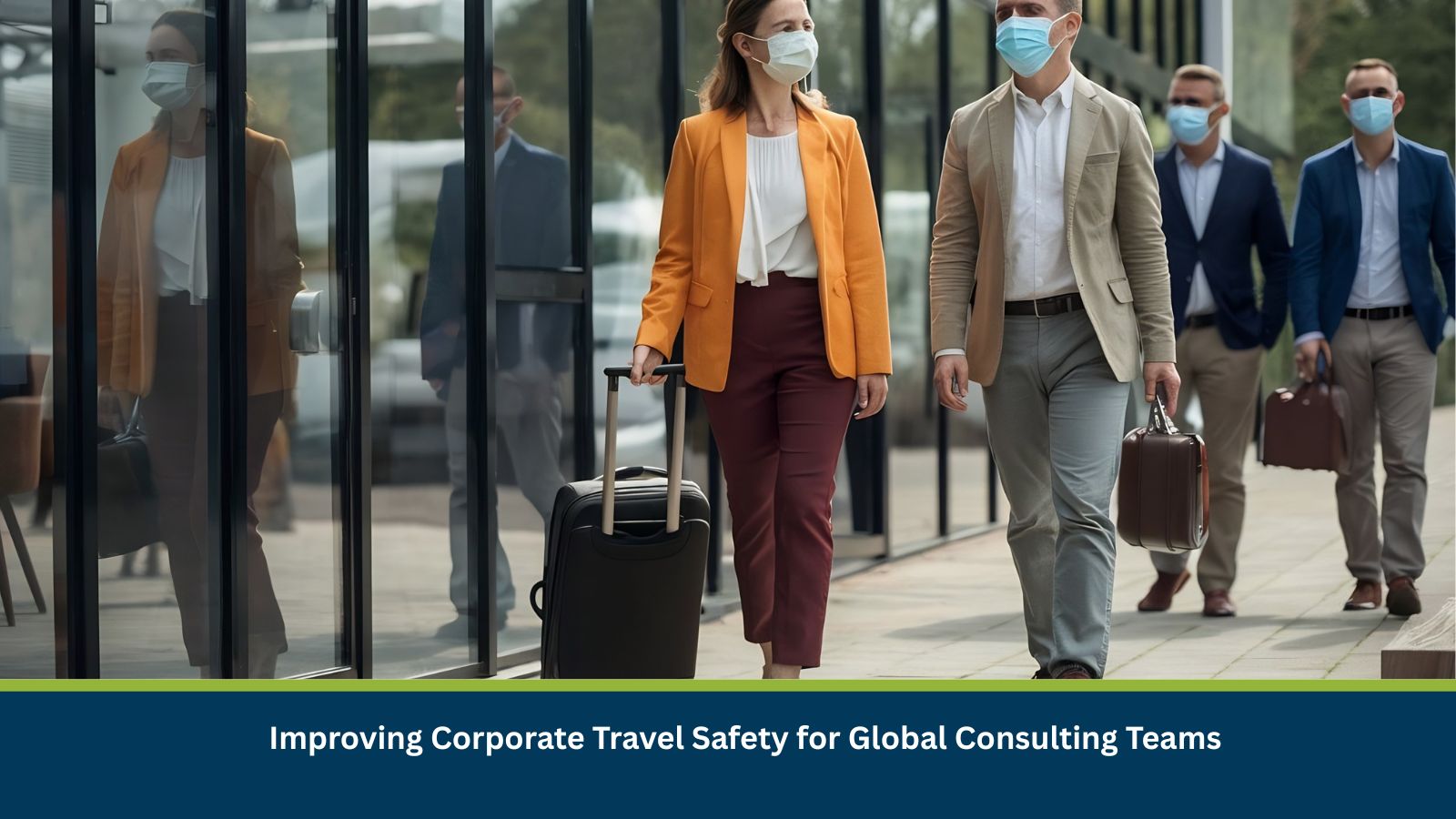
In today’s fast-paced global business environment, consulting teams frequently travel across countries to serve clients, manage projects, and drive growth. However, with increasing geopolitical tensions, health risks, and infrastructure disruptions, corporate travel safety has become a top priority for organizations.
Ensuring the safety of traveling consultants is not just about compliance—it is about protecting people, maintaining productivity, and ensuring business continuity.
Why Travel Safety Matters for Consulting Teams
Consulting professionals often operate in:
- High-risk or unfamiliar locations
- Rapidly changing environments
- Tight timelines with high client expectations
Key risks include:
- Political unrest and protests
- Health emergencies and outbreaks
- Transport disruptions and delays
- Crime and personal security threats
Without proper safety measures, these risks can lead to:
- Project delays
- Employee stress and burnout
- Financial and reputational damage
Understanding Duty of Care in Corporate Travel
Organizations have a legal and ethical responsibility to ensure the safety and well-being of employees during business travel.
Duty of care includes:
- Monitoring risks in real time
- Providing safety guidance and alerts
- Supporting employees during emergencies
- Ensuring safe return from travel
A strong duty of care framework builds trust and improves employee confidence.
Key Strategies to Improve Travel Safety
1. Real-Time Risk Monitoring
Organizations must stay updated on global events that could impact travel.
What to monitor:
- Security threats and civil unrest
- Weather conditions and natural disasters
- Transport and infrastructure disruptions
Benefit: Enables proactive decision-making before risks escalate.
2. Pre-Travel Risk Assessment
Before any trip, evaluate potential risks at the destination.
Steps include:
- Reviewing country risk profiles
- Checking government advisories
- Identifying safe routes and accommodations
Benefit: Helps avoid high-risk areas and plan safer itineraries.
3. Location-Based Alerts and Communication
Keeping employees informed in real time is critical.
Best practices:
- Send alerts based on location
- Use multiple communication channels
- Provide clear safety instructions
Benefit: Ensures quick response during emergencies.
4. Emergency Response Planning
Every organization should have a clear crisis response plan.
Key elements:
- Emergency contact systems
- Evacuation procedures
- Coordination with local authorities
Benefit: Reduces confusion and improves response time.
5. Flexible Travel and Work Policies
Adaptability is essential in uncertain environments.
Examples:
- Remote work options
- Travel postponements or cancellations
- Alternative routes and accommodations
Benefit: Minimizes exposure to risk.
6. Employee Training and Awareness
Prepared employees are safer employees.
Training should cover:
- Personal safety practices
- Emergency protocols
- Cultural and regional awareness
Benefit: Improves confidence and decision-making in risky situations.
7. Technology-Driven Safety Solutions
Modern tools enhance visibility and response capabilities.
Key technologies:
- AI-driven risk intelligence
- Geospatial monitoring systems
- Travel tracking platforms
Benefit: Provides real-time insights and faster decision-making.
Common Challenges in Travel Safety
1. Lack of Real-Time Visibility
Without live updates, risks can go unnoticed.
2. Communication Gaps
Delayed or unclear communication can increase risk exposure.
3. Rapidly Changing Situations
Events can escalate quickly, requiring immediate action.
4. Compliance and Privacy Concerns
Balancing employee tracking with privacy regulations is critical.
Best Practices for Global Consulting Teams
To enhance travel safety, organizations should:
- Centralize travel and risk data
- Maintain updated employee travel records
- Establish clear escalation protocols
- Conduct regular safety drills
- Collaborate with local partners and authorities
Future Trends in Corporate Travel Safety
Predictive Risk Intelligence
AI will forecast risks before they occur.
Hyper-Local Alerts
More precise, location-based insights will improve safety.
Automation
Automated alerts and response systems will reduce reaction time.
Integrated Safety Ecosystems
Travel, HR, and security systems will work together seamlessly.
FAQs
1. Why is travel safety important for consulting teams?
Because consultants often travel to unfamiliar and high-risk environments, making safety critical for productivity and well-being.
2. What is duty of care in corporate travel?
It is the responsibility of organizations to ensure employee safety during business travel.
Conclusion
Improving corporate travel safety for global consulting teams requires a proactive and technology-driven approach. By combining real-time monitoring, clear communication, and strong planning, organizations can protect their employees while maintaining operational efficiency.
In a world where risks can emerge without warning, prioritizing travel safety is essential for resilience, trust, and long-term success.
GoSafe helps improve corporate travel safety by providing real-time alerts, location tracking, and emergency response features, enabling organizations to monitor traveling employees, communicate instantly and act quickly during risks or disruptions.