



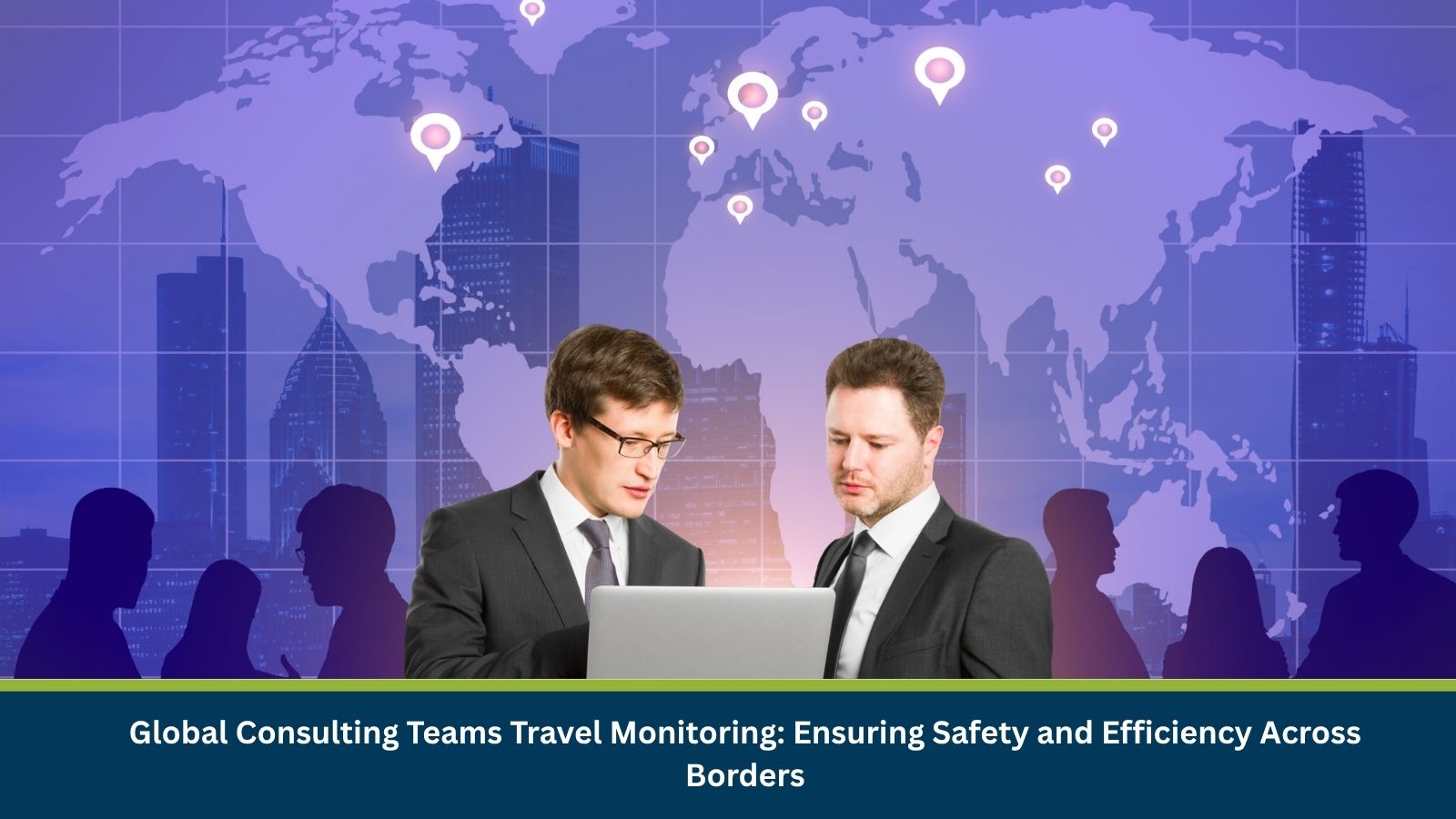
As businesses become increasingly global, consulting teams are often required to travel internationally to meet clients, oversee projects, and expand their networks. While this travel can be essential for growth, it also comes with a variety of risks—ranging from safety concerns to operational disruptions. Global consulting teams travel monitoring has become an essential part of managing these risks and ensuring that employees are safe and productive while traveling abroad.
With the rise of geopolitical uncertainties, pandemics, and natural disasters, real-time monitoring, and proactive decision-making are critical to keeping your consultants safe and minimizing disruptions.
In this blog, we will explore the importance of travel monitoring, how AI and geospatial intelligence can enhance safety, and best practices for managing travel risks for consulting teams.
Why Global Consulting Teams Need Travel Monitoring
1. Protecting Employee Safety
Consultants often travel to high-risk locations that could expose them to political instability, natural disasters, or security threats. Monitoring their travel ensures that companies can respond promptly to any issues, whether it’s a civil unrest situation, a health crisis, or an emergency evacuation.
2. Managing Operational Disruptions
Global consultants may face challenges such as flight delays, visa issues, or unforeseen natural events. Proactive travel monitoring ensures that teams are not only safe but also able to maintain operational continuity in such situations. Being able to re-route travel plans or adjust schedules in real time ensures that projects keep moving forward without significant delays.
3. Compliance and Duty of Care
Companies have a legal and ethical obligation to protect their employees during business travel. Travel monitoring ensures compliance with duty of care obligations, including knowing where employees are, ensuring they are safe, and taking action if they are exposed to risk in high-threat environments. This also extends to ensuring that employees comply with local laws and regulations during their travels.
4. Reducing Travel Costs
By effectively monitoring travel plans and expenses, companies can identify more efficient routes and travel options, potentially reducing unnecessary costs. Automated travel tracking systems provide insights that can help organizations optimize travel spending while still ensuring safety and comfort for employees.
Key Technologies for Global Consulting Teams Travel Monitoring
1. Real-Time Travel Alerts
With real-time travel alerts, consulting teams are immediately notified of any disruptions, changes, or risks affecting their travel plans. Alerts can cover a wide range of issues, such as:
- Flight delays and cancellations
- Weather disruptions (e.g., hurricanes, snowstorms)
- Local security threats (e.g., protests, riots)
- Health emergencies (e.g., pandemics, outbreaks)
By integrating AI-powered systems that gather and analyze data from global sources, companies can keep their consultants informed, enabling them to adjust their travel plans promptly.
2. Geospatial Intelligence for Risk Assessment
Geospatial intelligence (GIS) tools provide critical data to evaluate risks at specific locations. These tools give businesses a visual overview of travel conditions, identifying areas with heightened risk factors such as protests, natural disasters, or health emergencies.
Consulting teams can use these insights to avoid high-risk areas, re-route their travel, or implement contingency plans. GIS data, when combined with AI-driven insights, provides predictive risk assessments, allowing companies to proactively manage travel and avoid disruptions.
3. AI-Powered Predictive Analytics
AI and machine learning algorithms can forecast potential risks during travel. By analysing vast amounts of historical data, AI tools can identify patterns that predict when and where travel disruptions may occur. For example, AI can help predict:
- Political unrest in certain countries or regions
- Weather disruptions like hurricanes or floods
- Flight path risks based on past data
With these insights, global consulting teams can make informed decisions, adjust travel plans proactively, and mitigate potential disruptions.
4. Integrated Travel and Risk Management Platforms
An integrated platform allows businesses to manage all travel-related data in one centralized location. These platforms help track travel itineraries, real-time updates, and risks, ensuring visibility across all team members. Through integration with:
- Risk management systems
- Expense tracking tools
- Real-time communication channels
Companies can efficiently handle logistics, safety concerns, and cost management, providing seamless support for their consulting teams.
Best Practices for Managing Global Consulting Teams Travel
1. Proactively Monitor Travel Risks
Businesses should implement systems that proactively monitor the safety of their employees while traveling. This includes monitoring for potential disruptions, geo-political risks, and natural hazards. AI-powered analytics can help anticipate disruptions and allow for real-time adjustments to travel plans.
2. Develop a Crisis Response Plan
A robust crisis response plan is essential when managing global travel risks. This plan should include:
- Emergency contacts and evacuation plans
- Backup travel arrangements in case of disruptions
- Local assistance for on-the-ground support
By preparing in advance, companies can ensure a swift response to any crises that arise.
3. Provide Comprehensive Travel Support
Consultants need more than just basic travel logistics. They also require:
- Local support in case of emergencies
- Security escorts for high-risk regions
- Health resources for managing potential exposure to diseases
Ensuring consultants have access to the right support helps keep them safe and focused on their work.
4. Implement Travel Tracking and Reporting Systems
Tracking travel in real-time is critical to ensure consultant safety. By integrating real-time tracking systems into travel platforms, businesses can:
- Monitor location and travel routes for each consultant
- Identify nearby risks or disruptions
- Ensure timely interventions if issues arise
The Future of Global Consulting Teams Travel Monitoring
As travel risks evolve, so will the technology used to monitor and manage them. The future of consultant travel monitoring will likely include:
- Advanced AI capabilities for more accurate risk predictions
- Increased automation for quick adjustments to travel plans
- Blockchain-based travel documentation for enhanced security
- Wearable safety devices that monitor the health and safety of consultants
By staying on the cutting edge of technology and predictive analytics, businesses will be better prepared to manage travel risks, ensuring the safety of their consulting teams while maintaining operational efficiency.
Conclusion
Managing the travel safety of global consulting teams is no small task. With the right mix of real-time monitoring, AI-driven insights, and proactive risk management, businesses can ensure the safety of their consultants, minimize disruptions, and maintain continuity during international assignments.
As global travel becomes more complex and unpredictable, leveraging technology to stay ahead of potential risks is essential to safeguarding both employees and operations.
Datasurfr GoSafe helps organizations manage the safety of global consulting teams by providing real-time travel monitoring, geospatial intelligence and predictive insights. With AI-driven alerts, location-based tracking and risk analysis, GoSafe ensures that businesses can proactively assess potential disruptions, provide immediate support and ensure the safety of their employees traveling internationally.