





What is Risk Analysis in the Context of Natural Disasters Events
Natural disaster risk analysis evaluates hazards such as floods, storms, and earthquakes that can disrupt populations, infrastructure, and economic activity. In Jakarta, flooding is a recurrent natural disaster due to monsoonal rainfall, river overflows, and limited drainage capacity. Assessing flood risk is essential for anticipating operational disruption, protecting assets, and safeguarding communities, particularly in low-lying urban environments with high population density.
Executive Summary
- Date of Event: 30 January
- Location: DKI Jakarta, Jakarta, Indonesia
- Risk Category: Natural Disasters
- Severity Score: 4 / 5
- Confidence Level: 78 %
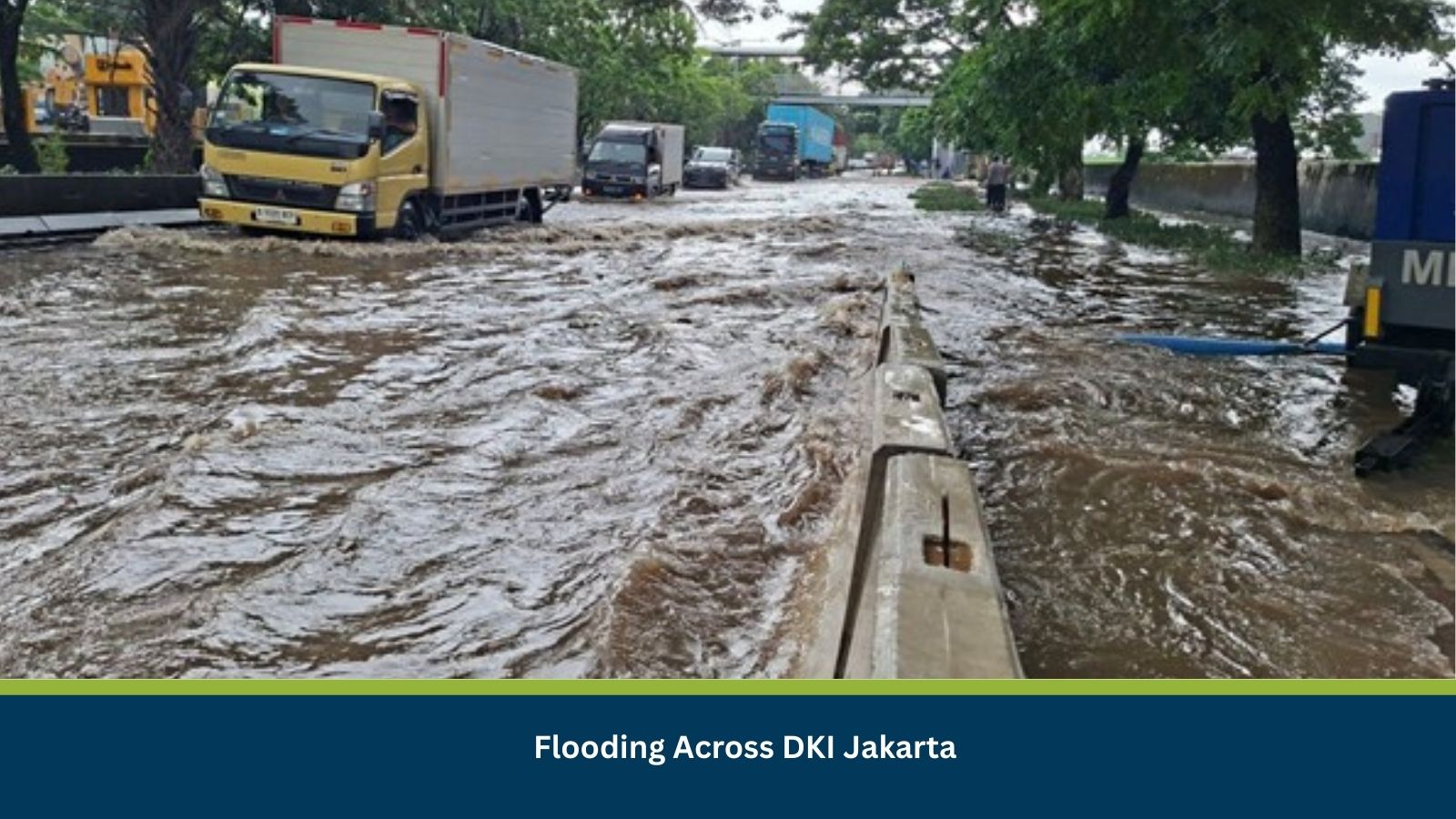
On the morning of 30 January, flooding was reported across multiple areas of DKI Jakarta following sustained heavy rainfall and overflow of the Ciliwung River. At least 39 RTs and three major road segments were inundated, particularly in East Jakarta. Based on recent historical patterns, significant standing water is expected to persist for 24–72 hours, with localized disruption potentially extending up to seven days. The severity is moderate-to-high due to repeated river overflow, road impacts, and risks to ground-level assets and commuter mobility.
Current Updates
As of 30 January, flooding remains in dozens of RTs, with several arterial and feeder roads partially submerged. Reports indicate continued congestion along Daan Mogot, Condet, and Cilincing corridors. Local authorities, including BPBD and police, are monitoring river levels, deploying pumps, and coordinating traffic management. No official casualty figures have been released in initial updates.
Known Hotspots and Sensitive Areas
High Impact:
- Ciliwung-adjacent neighbourhoods in East Jakarta, including Kampung Melayu, Kebon Pala, and Condet
- Flooded road segments along Daan Mogot
Medium Impact:
- Low-lying parts of North Jakarta, including Kapuk Muara and Cilincing
- Secondary roads feeding into affected corridors
Low Impact:
- Central and South Jakarta districts outside flood-prone river basins
These locations experience seasonal recurrence during peak rainfall months, particularly when river levels exceed safe thresholds.
Impact on Transportation and Services
Flooding has significantly disrupted road transportation, causing traffic gridlock on major corridors and delaying last-mile logistics. Public transport services, including buses and feeder routes, face localized delays where access roads are inundated. Business operations are affected through reduced workforce mobility, temporary retail closures, and delays in deliveries. Utilities face moderate risk of localized power or water interruptions in submerged areas.
Recommended Actions
Immediate Actions:
- Activate flood response and business continuity plans for Jakarta operations.
- Issue travel advisories and enable remote working for affected employees.
- Secure ground-floor assets and isolate electrical systems in flood-prone facilities.
Strategic Measures:
- Coordinate with BPBD, local police, and municipal authorities for real-time updates.
- Review flood insurance coverage and post-event recovery procedures.
- Enhance monitoring of rainfall, river gauges, and drainage capacity using early-warning tools.
Multidimensional Impact
Flooding compounds existing transport incidents and planned public gatherings, amplifying congestion and potentially delaying emergency response. Vulnerable communities face increased displacement and public health risks due to contaminated floodwaters.
Emergency Contacts
- Indonesian Agency for Meteorological, Climatological and Geophysics: weather.bmkg.go.id/
- Emergency Services: 112
Final Thoughts
Flooding in DKI Jakarta is likely to remain a recurring risk over the coming days, with the highest disruption concentrated in river-adjacent and low-lying districts. Businesses and policymakers should closely monitor rainfall trends, road accessibility, and utility stability. Proactive preparedness, supported by early-warning and risk intelligence platforms such as MitKat’s Datasurfr, remains critical to reducing operational and human impact. Stay ahead of operational risks with real-time alerts, scenario modeling, and expert advisories with datasurfr’s Predict. Start your 14-day free trial of Datasurfr’s Risk Intelligence Platform today.