





What is Risk Analysis in the Context of Environment Events
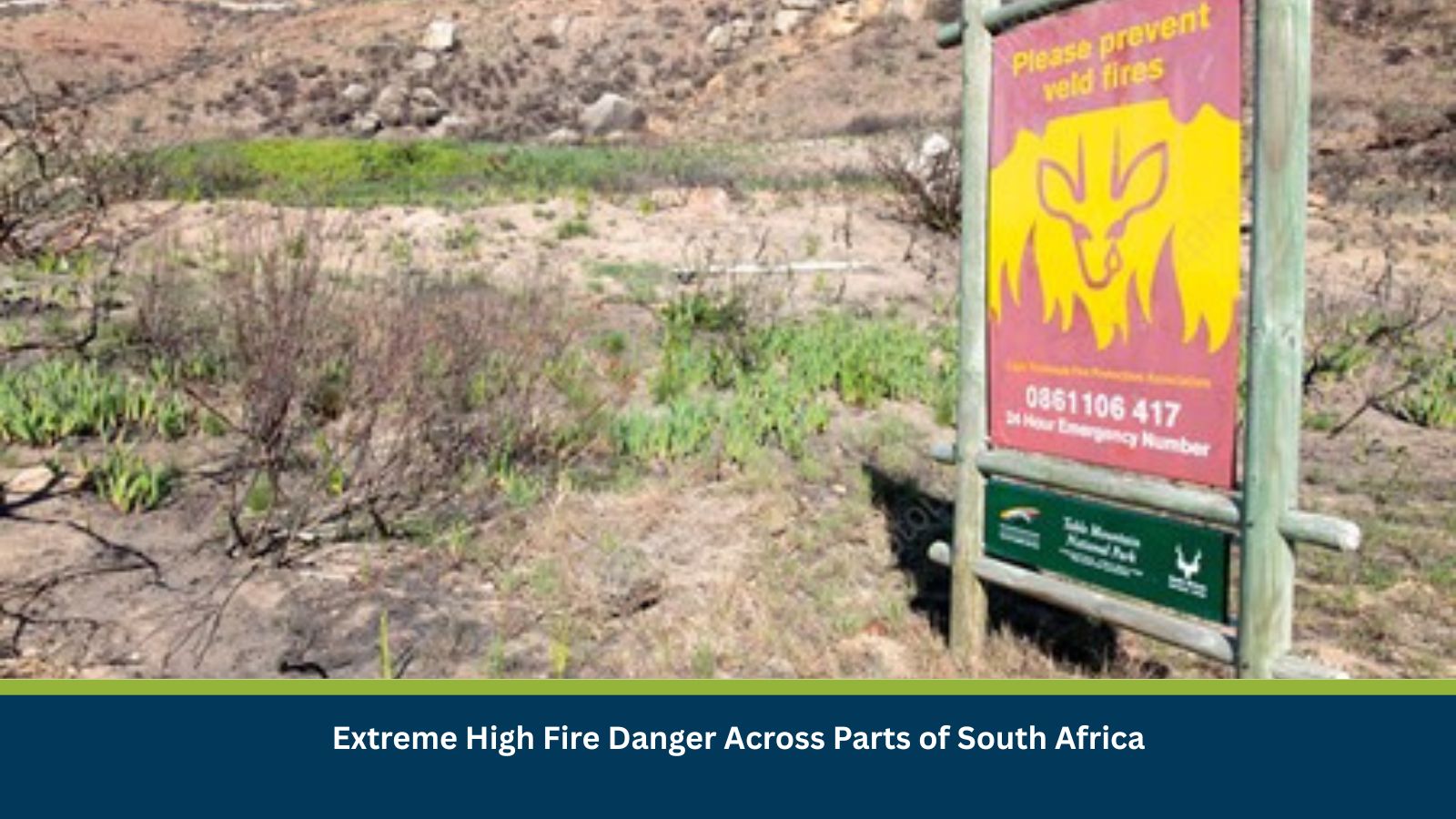
Environmental risk analysis assesses the likelihood and impact of natural hazards such as wildfires, extreme heat and drought conditions. In South Africa, summer fire seasons regularly affect the Western Cape, Karoo and adjacent provinces due to dry vegetation, strong winds and human ignition sources. Proactive risk analysis supports early mitigation, emergency readiness and protection of communities, assets and essential services.
Executive Summary
- Date of Event: 15 December
- Location: Eastern Cape, Northern Cape and Western Cape, South Africa
- Risk Category: Environment
- Severity Score: 4 / 5
- Confidence Level: 75 %
An extreme high fire danger warning has been issued for parts of South Africa, with conditions favouring rapid ignition and fire spread over a 24–72-hour period. Elevated risk is expected during peak daytime heat and afternoon wind surges. Impacts may include evacuations, road closures, power disruptions and damage to agricultural and tourism assets.
Known Hotspots and Sensitive Areas
High Impact:
- Western Cape fire-prone corridors, including Cape Winelands (Stellenbosch, Paarl, Franschhoek) and Witzenberg Municipality.
- Karoo interior hotspots near Beaufort West and Prince Albert.
- Wildland–urban interface areas adjacent to fynbos and renosterveld vegetation.
Medium Impact:
- Northern Cape semi-arid districts with dry scrub and strong wind exposure.
- Eastern Cape rural areas with mixed agricultural land and grassland.
Low Impact:
- Densely urbanised areas with limited fuel load but still vulnerable to smoke and power interruptions.
Summer fire danger is a recurring seasonal risk, with December historically associated with rapid fire spread under hot, dry and windy conditions.
Impact on Transportation and Services
Regional transport routes may face short-notice closures, particularly the N1, N2 and R62 corridors during active firefighting operations. Smoke can reduce visibility, affecting road safety and limited aviation activity. Power and water infrastructure may be disrupted by fire damage or firefighting demand, impacting business operations, tourism services and agricultural production.
Recommended Actions
Immediate Measures:
- Suspend non-essential hot works and enforce ignition-source controls at all sites.
- Pre-position firefighting resources, water supplies and backup power in high-risk zones.
- Restrict non-essential travel and prepare evacuation contingencies for staff and communities.
Strategic Measures:
- Maintain continuous coordination with WeatherSA, municipal fire services and disaster management centres.
- Secure critical assets, fuel storage and overhead power infrastructure where feasible.
- Activate business continuity plans, including remote operations and alternate logistics routes.
Multidimensional Impact
Wildfire conditions may disrupt tourism, agriculture and regional supply chains. Poor air quality can affect vulnerable populations and outdoor workers, while emergency services may face resource strain if multiple fires ignite simultaneously.
Emergency Contacts
- Emergency Services: 112
- Fire and Rescue Services: 999
- Disaster Management: gov.za/about-government/disaster-management
- Weather Alerts: weathersa.co.za
Final Thoughts
The extreme fire danger warning indicates a high-likelihood, high-impact environmental risk requiring heightened vigilance. The risk trajectory depends on wind behaviour and ignition sources over the next few days. Early preparedness, strict fire controls and real-time monitoring are critical. Leveraging early-warning and situational awareness platforms such as MitKat’s Datasurfr can support informed decision-making, rapid response and resilience during peak wildfire conditions. Stay ahead of operational risks with real-time alerts, scenario modeling, and expert advisories with datasurfr’s Predict. Start your 14-day free trial of Datasurfr’s Risk Intelligence Platform today.