





What is Risk Analysis in the Context of Health Events
Regulatory risk analysis assesses the impact of government-imposed controls, compliance requirements, and emergency directives on operations, mobility, and safety. In public health contexts, such measures are designed to contain biological threats but often create secondary disruption to travel, trade, and workforce movement. Historically, Southeast Asia has implemented rapid border health controls during outbreaks such as Nipah, SARS, and COVID-19, underscoring the relevance of preparedness and compliance planning.
Executive Summary
- Date of Event: 28 January
- Location: Kuala Lumpur, Malaysia (nationwide entry points)
- Risk Category: Regulatory
- Severity Score: 3 / 5
- Confidence Level: 75 %
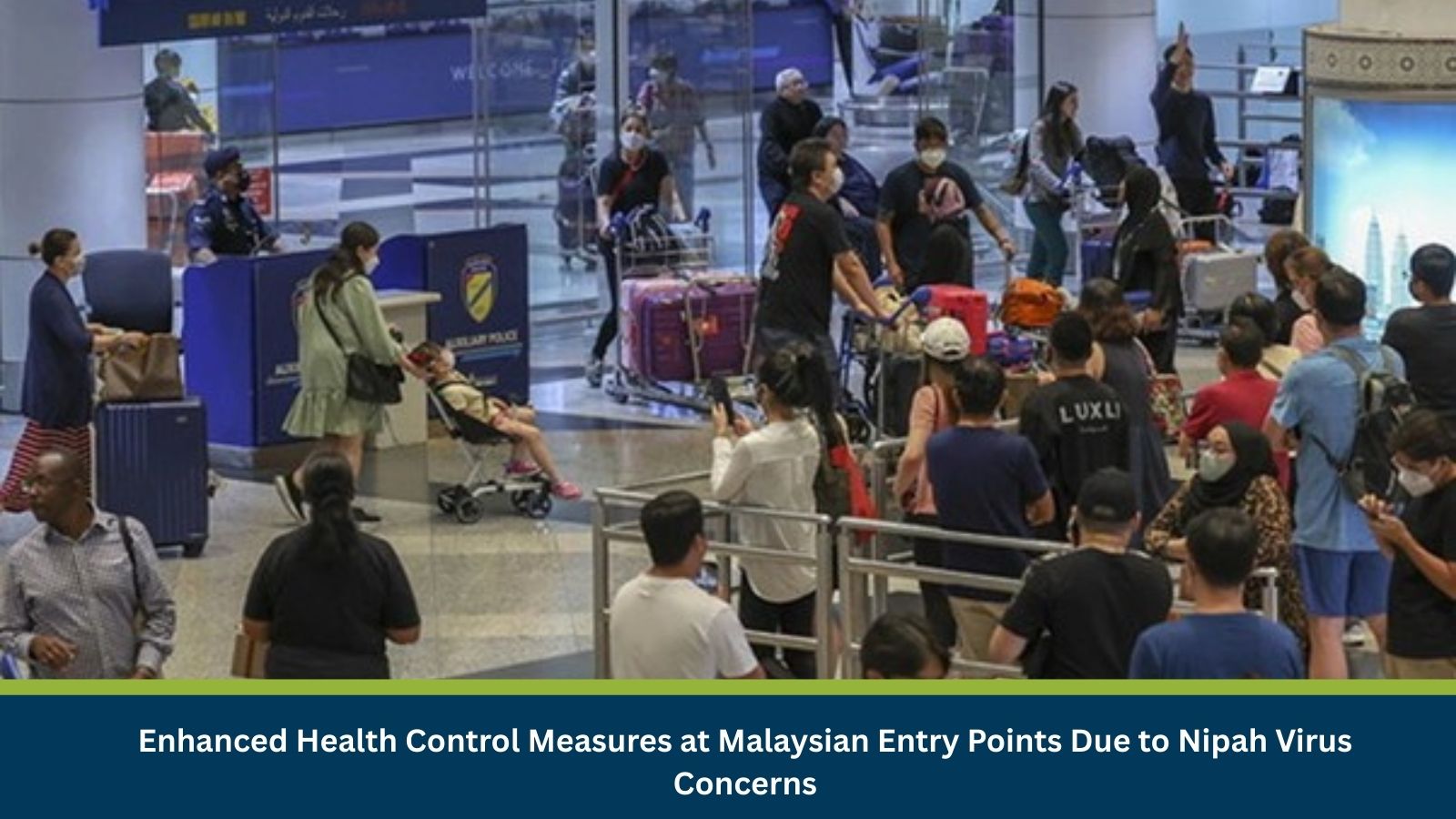
Malaysia’s Ministry of Health has elevated health screening and control measures at all airports, seaports, and land crossings following concerns over potential Nipah virus exposure. Based on past Nipah outbreaks and established containment playbooks, heightened controls are likely to persist for two to four weeks with rolling adjustments. While Nipah carries high fatality rates historically, transmission requires close contact, limiting widespread spread. The primary impacts are operational delays, regulatory compliance burdens, and reputational risks for travel- and trade-facing sectors rather than systemic disruption.
Current Updates
As of 28 January, enhanced passenger screening, temperature checks, health declarations, and readiness to isolate suspected cases are in effect nationwide. Measures remain precautionary, with no widely reported confirmed domestic clusters at the time of reporting. Authorities have aligned responses with regional health alerts and existing infectious disease protocols.
Known Hotspots and Sensitive Areas
High Impact:
- Kuala Lumpur International Airport (KLIA) arrival halls and access roads
- Sultan Iskandar CIQ complex, Johor Bahru, and Causeway approaches
- Bukit Kayu Hitam land crossing (Kedah)
Medium Impact:
- Penang International Airport
- Major seaports handling international crew movements
Low Impact:
- Domestic-only terminals and interior regions away from border interfaces
Ports of entry historically act as focal points during health alerts, with recurrence during regional outbreaks.
Impact on Transportation and Services
Air and land transport experience the most immediate effects, including longer passenger processing times and intermittent lane slowdowns at border facilities. Freight clearance may face delays, particularly for time-sensitive cargo. Business operations reliant on cross-border staff movement or just-in-time logistics may experience reduced efficiency. Digital services and core communications remain largely unaffected, though demand for information and compliance reporting increases.
Recommended Actions
Immediate Measures:
- Activate internal health-event standard operating procedures and compliance tracking.
- Adjust travel schedules and logistics timelines to account for screening delays.
- Reinforce workplace health checks and isolation protocols.
Strategic Measures:
- Maintain liaison with the Ministry of Health, immigration authorities, and port operators.
- Diversify suppliers and routing to reduce dependency on high-control entry points.
- Review pandemic and biosecurity preparedness plans and training.
Multidimensional Impact
Heightened health controls may slow emergency response or inter-agency coordination for unrelated incidents and increase strain on healthcare logistics if suspected cases rise concurrently with other emergencies.
Emergency Contacts
- Ministry of Health Malaysia: moh.gov.my/
- Immigration Department: imi.gov.my/index.php/en/home/
- Emergency Number: 999
Final Thoughts
The current regulatory response represents a moderate but manageable risk, with impacts concentrated at borders rather than within communities. The key watchpoints are confirmation of imported or local cases and any escalation in transmissibility indicators. Businesses should prioritise compliance, communication, and early warning intelligence, leveraging preparedness tools such as MitKat’s Datasurfr to anticipate adjustments and maintain continuity.
Stay ahead of operational risks with real-time alerts, scenario modeling, and expert advisories with datasurfr’s Predict. Start your 14-day free trial of Datasurfr’s Risk Intelligence Platform today.