





What is Risk Analysis in the Context of Environment Events
Environmental risk analysis assesses threats linked to air, water and soil degradation and their effects on human health, infrastructure and organisational operations. In urban China, winter haze episodes are recurrent due to temperature inversion, low wind speeds and regional emissions transport. Understanding historical air quality events and their operational implications helps anticipate likely impacts, including reduced visibility, increased medical visits and disruption to outdoor-dependent activities.
Executive Summary
- Date of Event: 28 November
- Location: Shanghai, China
- Risk Category: Environment
- Severity Score: 3 / 5
- Confidence Level: 72 %
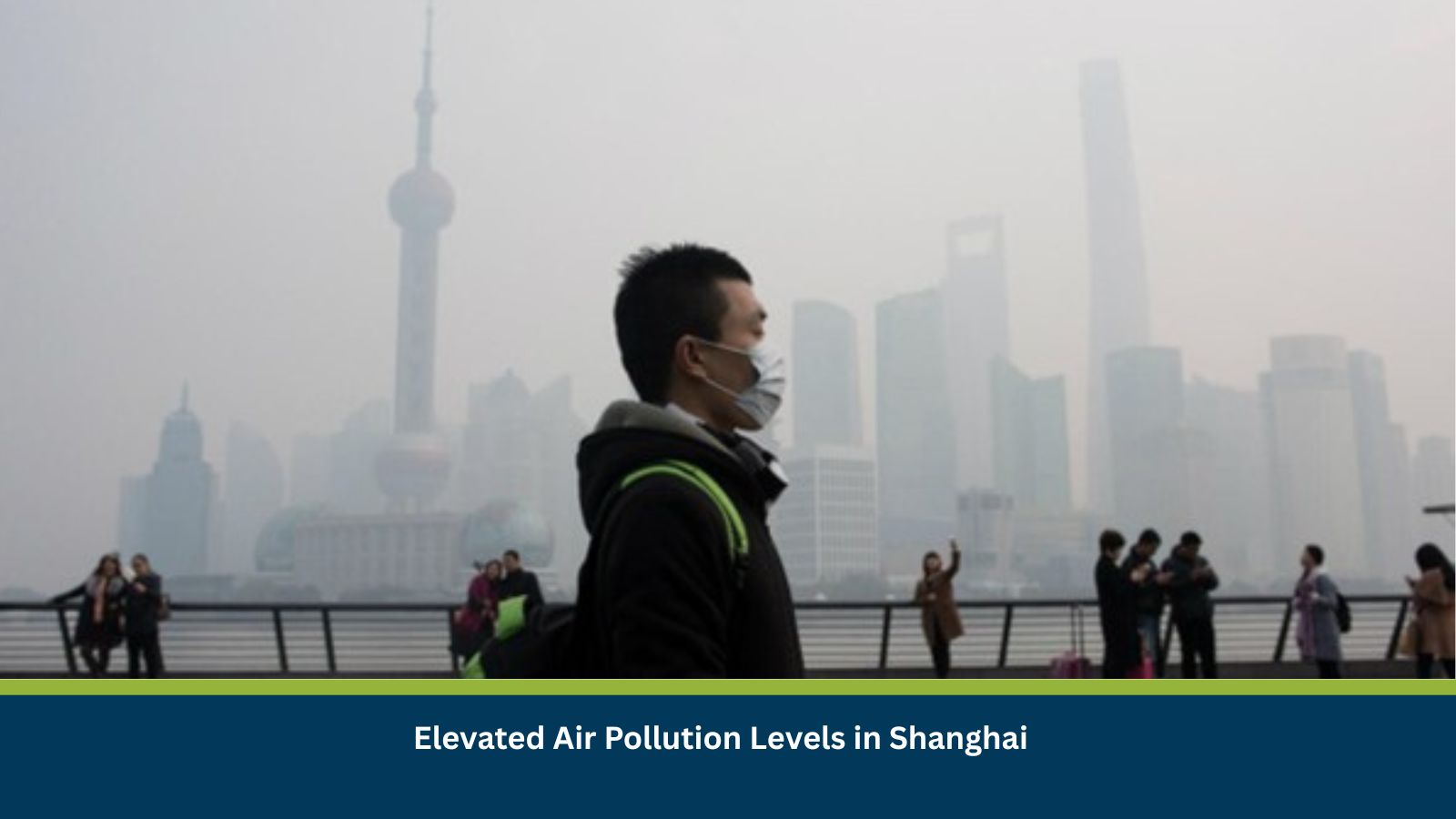
Shanghai experienced elevated air pollution levels on 28 November, with PM2.5 and PM10 concentrations rising across several districts. This episode aligns with typical winter haze patterns and is expected to persist for one to three days, with potential extension up to one week under stagnant conditions. Immediate impacts include health advisories for sensitive groups; minor mobility delays due to reduced visibility and possible suspension of select ferry services. Organisations should implement protective measures, adjust outdoor work schedules and communicate service changes proactively.
Known Hotspots and Sensitive Areas
High Impact:
- Central districts (Huangpu, Pudong, Hongkou) experiencing the sharpest PM2.5 spikes
- Waterfront zones and ferry terminals along the Huangpu River
- High-traffic interchange points with visibility constraints
Medium Impact:
- Jiading, Minhang and outer Pudong areas where industrial and transport emissions contribute to localized haze
- Airport peripheries with episodic visibility reduction
Low Impact:
- Suburban districts with lower emissions but still affected by regional particulate transport
Winter haze is recurrent due to inversion layers and weak wind flow, with AQI typically peaking during morning and evening hours.
Impact on Transportation and Services
Visibility reduction may slow surface traffic, increasing congestion on elevated roads. Ferry services could face delays or short suspensions, while river traffic may operate under speed restrictions. Air travel generally remains operational, though minor delays are possible. Businesses may experience reduced outdoor productivity, increased HVAC loads and higher absenteeism among vulnerable employees. Customer-facing operations relying on outdoor logistics could face short delays.
Recommended Actions
- Restrict non-essential outdoor work during elevated PM2.5 hours and issue N95/KN95 masks to essential outdoor personnel.
- Shift vulnerable staff to remote or indoor duties and ensure HR maintains updated welfare lists.
- Switch HVAC systems to recirculation where feasible, deploy portable HEPA units and accelerate filter replacement cycles.
- Delay or reroute outdoor logistics, use covered transport and protect sensitive equipment from particulate deposition.
- Communicate advisories to customers and suppliers regarding potential delays, service adjustments and protective measures, ensuring alignment with municipal air quality guidance.
Multidimensional Impact
Concurrent public events, ferry suspensions or traffic restrictions may experience intensified disruption if visibility remains low. Event organisers may shift activities indoors or issue additional health advisories. Increased dependence on digital channels may temporarily strain service desks and customer response teams.
Emergency Contacts
- China Meteorological Administration (CMA): cma.gov.cn/en2014/
- Emergency Hotlines (Police/Ambulance/Health): 110/120/12320
Final Thoughts
Air quality levels should improve as wind conditions strengthen, but monitoring is essential for the next 72 hours. Businesses should maintain protective measures, flexible work arrangements and clear communication. Using early-warning platforms such as MitKat’s Datasurfr can support timely decision-making and resilience during recurring winter haze episodes. Stay ahead of operational risks with real-time alerts, scenario modeling, and expert advisories with datasurfr’s Predict. Start your 14-day free trial of Datasurfr’s Risk Intelligence Platform today.