





What is Risk Analysis in the Context of Health Events
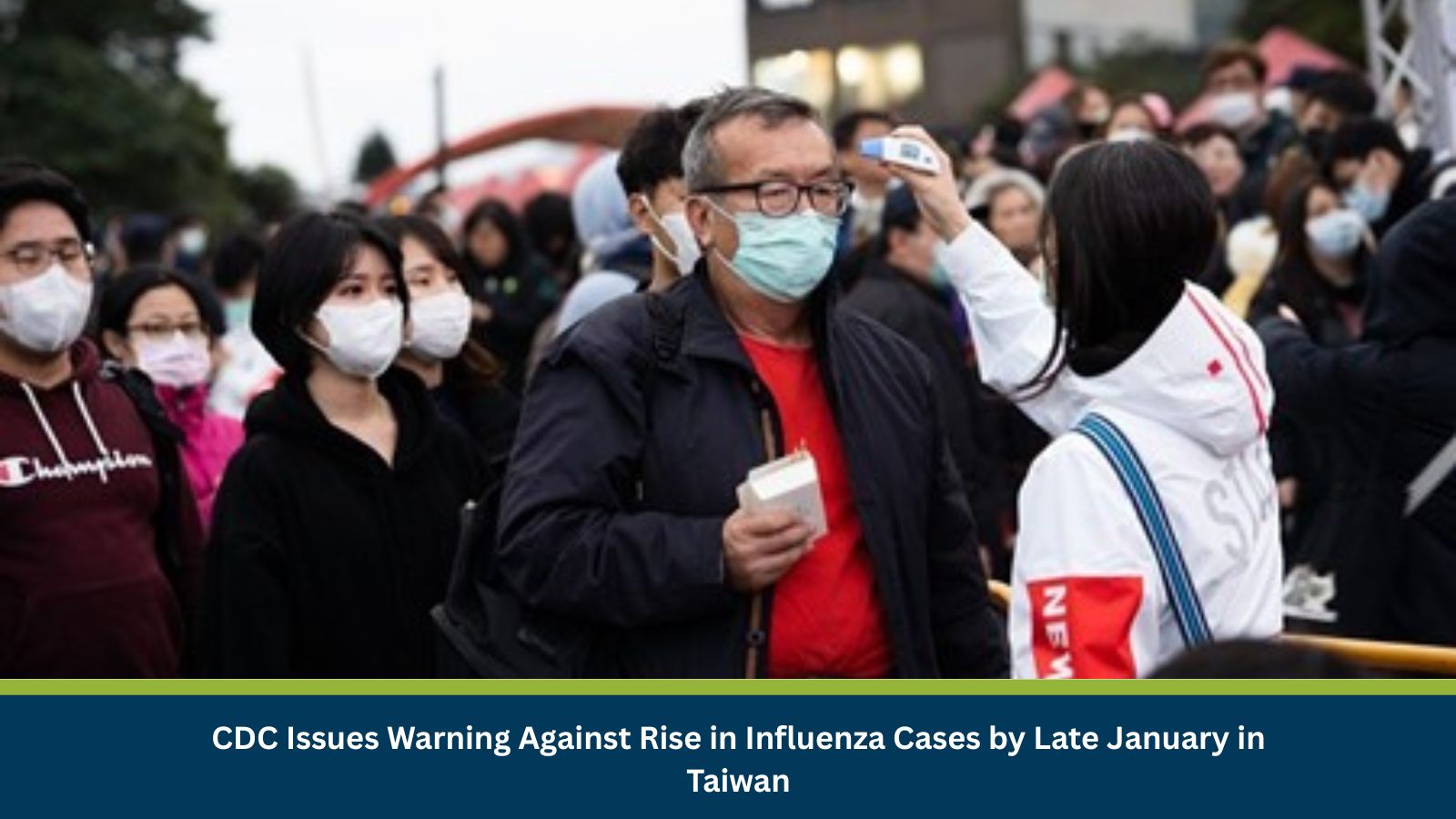
Health risk analysis evaluates infectious disease threats that can disrupt public safety, healthcare systems and economic continuity. In this context, seasonal influenza represents a recurrent but high-impact health risk in Taiwan, particularly during winter months. Historically, Taiwan experiences influenza peaks between January and March, often amplified by mass travel and gatherings during Lunar New Year, making early monitoring and preparedness essential.
Executive Summary
- Date of Event: 07 January
- Location: Taiwan
- Risk Category: Health
- Severity Score: 4/ 5
- Confidence Level: 75 %
Taiwan’s CDC has issued warnings of a likely rise in influenza cases by late January, following elevated activity since December. The anticipated surge may strain outpatient services, paediatric emergency departments and inpatient capacity, particularly during peak holiday travel. Operational and workforce impacts are expected but remain manageable with timely mitigation.
Current Updates
Influenza activity has shown a sustained upward trend since late December, with increasing outpatient visits and paediatric ER admissions. Surveillance indicates dominant circulation of influenza A strains. Authorities have intensified vaccination messaging and issued advisories to healthcare providers and travellers. No large-scale infrastructure restrictions are in place, though some municipalities are preparing contingency health-response measures.
Known Hotspots and Sensitive Areas
High Impact: Major urban healthcare hubs in Taipei, including National Taiwan University Hospital and Taipei Veterans General Hospital, where patient volumes historically surge during peak influenza weeks.
Medium Impact: Taoyuan International Airport and surrounding transport corridors, particularly during Lunar New Year travel, increasing transmission risk and medical incidents.
Low Impact: Rural districts with lower population density, though long-term care facilities in central Taiwan, including Nantou County, remain sensitive due to past clusters among elderly residents.
Seasonal recurrence is well documented, with peaks typically occurring four to ten weeks after early community acceleration.
Impact on Transportation and Services
No widespread transport shutdowns are anticipated. However, ambulance demand and localized traffic congestion around major hospitals may increase. Air and rail travel volumes during Lunar New Year could contribute to transmission and staff shortages. Businesses may face reduced productivity from employee illness and delayed last-mile logistics, particularly in service and transport sectors.
Recommended Actions
- Organizations should accelerate influenza vaccination programs, reinforce paid sick-leave policies and promote early testing.
- Critical workforce segmentation, staggered shifts and remote work options are advised.
- Healthcare facilities should activate surge-capacity planning, while businesses should maintain buffer inventories and alternative suppliers.
- Coordination with Taiwan CDC advisories and local health authorities is essential.
Multidimensional Impact
Scheduled utility disruptions, such as water service suspensions in Nantou, may compound infection-control challenges in healthcare and long-term care facilities. Concurrent public events or demonstrations could further strain local response capacity.
Emergency Contacts
- Emergency Services: 119
- Taiwan CDC Hotline: 1922
Final Thoughts
The influenza risk trajectory points to a seasonal peak in late January to early February, with manageable but material impacts on healthcare and business operations. Key watchpoints include hospital capacity, workforce absenteeism and holiday travel effects. Early-warning intelligence and preparedness tools such as MitKat’s Datasurfr remain critical for proactive risk management and continuity planning. Stay ahead of operational risks with real-time alerts, scenario modeling, and expert advisories with datasurfr’s Predict. Start your 14-day free trial of Datasurfr’s Risk Intelligence Platform today.