





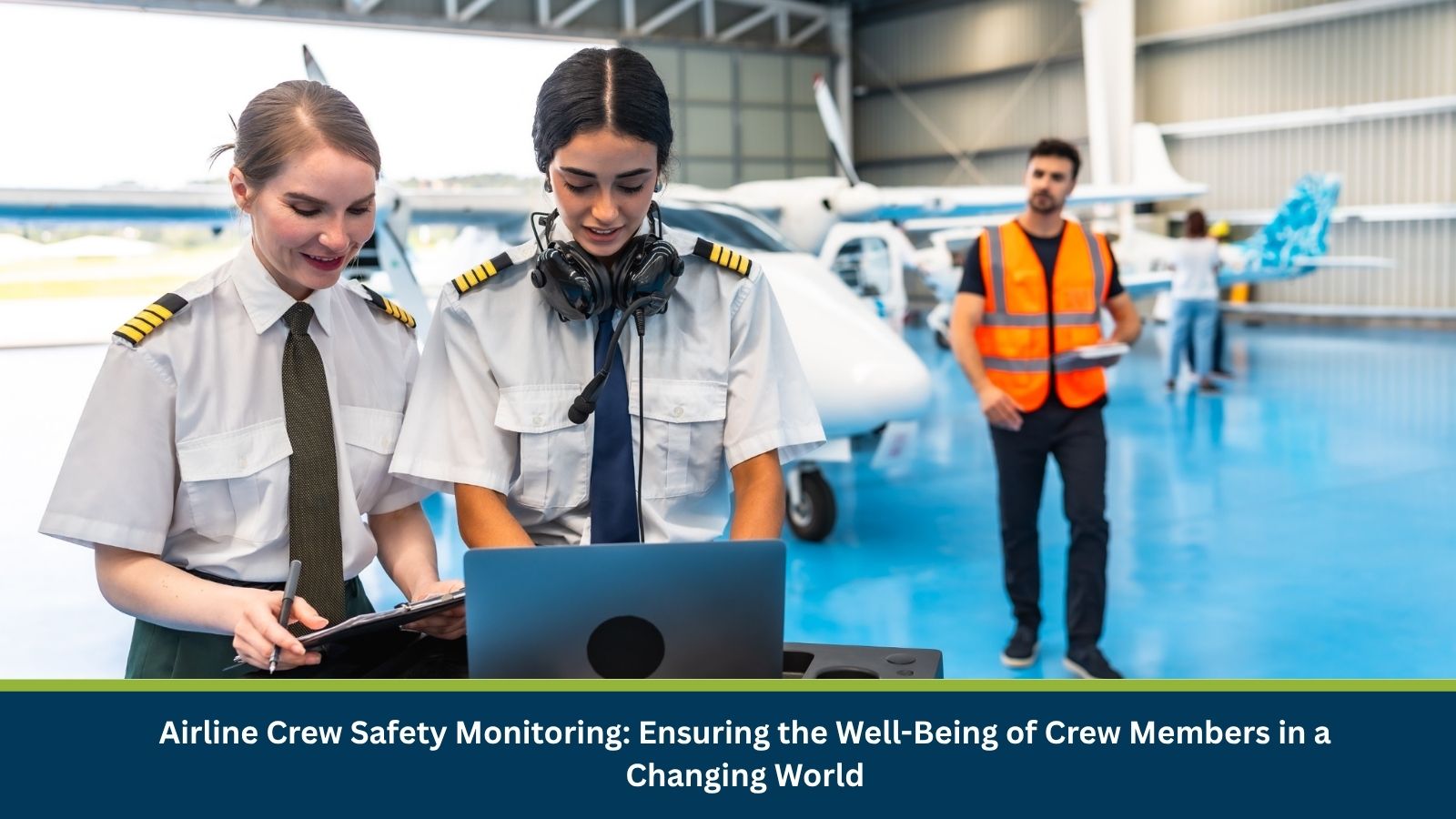
Airline crew safety has always been a top priority for airlines worldwide, but with the increasing number of global incidents, geopolitical unrest, and health crises, ensuring crew safety has become more complex than ever before. Whether flying across continents or operating in conflict zones, flight attendants and pilots are often exposed to a range of risks—from turbulent weather to safety threats in foreign territories.
In response to these challenges, airline crew safety monitoring systems have evolved, integrating real-time data, AI-driven insights, and geospatial intelligence to always ensure the safety and security of airline crews. This blog will explore the importance of safety monitoring, the technologies transforming crew safety, and best practices for effective crew protection.
Why Airline Crew Safety is Crucial
1. Risks in Unknown Territories
Airline crew members often operate in unfamiliar regions, including destinations with high levels of civil unrest, natural disasters, or health risks. Without real-time risk awareness, the crew is vulnerable to sudden disruptions or safety threats, which can severely affect operations.
2. Impact of Geopolitical Instability
From terrorist threats to diplomatic tensions, airline crews are frequently at risk when flying over or landing in countries experiencing geopolitical unrest. Monitoring geopolitical situations and having tools in place to track conflict zones and flight restrictions are critical to protecting crew members.
3. Health Risks and Crises
Health risks, like the spread of pandemics or exposure to extreme weather conditions, can jeopardize crew safety. For example, the COVID-19 pandemic showed the importance of having health tracking systems in place to monitor exposure and prevent the spread of contagious diseases.
4. Legal Compliance and Duty of Care
Regulatory bodies such as the International Civil Aviation Organization (ICAO) and the European Union Aviation Safety Agency (EASA) impose strict regulations on airline crew safety. These regulations enforce standards that airlines must meet to ensure the safety of their staff. Failure to comply could result in legal liabilities, reputational damage, and fines.
How Technology is Revolutionizing Airline Crew Safety Monitoring
1. Real-Time Risk Detection
Real-time risk detection technologies are transforming how airlines protect their crew members. By integrating geospatial intelligence (GIS) with AI-driven monitoring systems, airlines can track:
- Weather-related risks (e.g., severe storms, hurricanes)
- Geopolitical risks (e.g., airspace closures, civil unrest)
- Health-related threats (e.g., pandemics, localized health crises)
This real-time data helps airlines make immediate decisions, such as rerouting flights, providing alerts to the crew, or advising on health precautions.
2. AI-Powered Predictive Analytics
AI-powered predictive analytics go beyond reactive monitoring and enable airlines to anticipate potential risks. For instance, machine learning algorithms can analyze historical flight data, weather patterns, geopolitical trends, and other factors to predict areas of concern that could impact crew safety. This predictive capability allows airlines to adjust flight plans and deploy preventive measures to protect crew members before threats materialize.
3. Geospatial Intelligence for Situational Awareness
Geospatial intelligence provides a visual representation of global risks, allowing flight operations centres to monitor safety in real-time. By using interactive maps, airlines can:
- Track the location of flights in real time
- Identify hotspots of conflict or natural disasters
- Predict potential flight delays or diversions due to safety threats
By integrating real-time satellite data and AI tools, geospatial intelligence enhances situational awareness, enabling airlines to act quickly to ensure the crew’s safety.
Key Strategies for Ensuring Airline Crew Safety
1. Proactive Monitoring Systems
Airlines should implement 24/7 monitoring systems that provide real-time alerts and predictive analytics. These systems should include:
- Weather tracking tools: Monitor storm patterns, severe weather alerts, and airport disruptions.
- Geopolitical risk monitors: Track regions affected by conflict, terrorism, or civil unrest.
- Health monitoring tools: Keep track of health crises like pandemics, providing real-time updates on affected areas.
2. Comprehensive Emergency Plans
Airlines need to ensure that their crews have access to emergency response plans. These plans should include:
- Evacuation procedures in case of emergency
- Communication protocols to keep crews informed
- Training on handling specific regional threats, like hijacking or civil unrest
Regularly updated training and drills will ensure the crew is well-prepared for any unforeseen risks.
3. Real-Time Communication Tools
Effective communication channels are essential to keeping the crew informed during their flight. These tools can include:
- Real-time messaging platforms for updates on flight status, security alerts, and any safety concerns.
- Mobile apps that provide safety alerts based on the crew’s location and offer immediate emergency contacts.
4. Wearable Safety Technology
With advancements in wearable technology, airlines can equip their crews with devices that provide real-time location tracking, environmental monitoring, and emergency alerts. These devices help monitor crew health and safety, and allow immediate response in case of an emergency.
Best Practices for Airline Crew Safety
1. Routine Safety Assessments
Airlines should conduct regular safety assessments to evaluate current risks and ensure compliance with safety regulations. This includes reviewing operational protocols for different regions, assessing local political climates, and updating medical emergency procedures.
2. Collaboration with Local Authorities
Airlines should work closely with local authorities and international agencies to understand potential risks in specific regions and coordinate effective responses. This collaboration enhances information sharing and strengthens the overall safety framework for crew members.
3. Crisis Simulation Drills
Simulate emergency scenarios regularly to prepare flight crew members for real-world situations. These drills should focus on scenarios like:
- Hijackings or terrorist threats
- Evacuations due to natural disasters
- Medical emergencies onboard
The Future of Airline Crew Safety Monitoring
As technology advances, the future of airline crew safety will rely heavily on AI, machine learning, and IoT devices to track risks in real-time. Future developments may include:
- Advanced biometrics for crew health monitoring
- AI-powered predictive models for anticipating safety threats
- Autonomous systems for real-time communication and emergency response
These technologies will continue to enhance crew safety, improve operational efficiency, and ensure airlines are prepared for evolving risks.
Conclusion
Airline crew members operate in high-risk environments that demand constant vigilance and proactive safety strategies. By incorporating AI-driven insights, geospatial intelligence, and real-time monitoring systems, airlines can enhance safety for their crew members and ensure smooth operations despite emerging risks.
A commitment to real-time risk monitoring, data-driven decision-making, and continuous training will empower airlines to stay ahead of potential threats and protect their crews effectively.
Datasurfr GoSafe can help airlines enhance crew safety by providing real-time risk monitoring, geospatial intelligence and AI-driven predictive insights. With real-time alerts on geopolitical instability, weather disruptions and health threats, GoSafe enables airlines to track crew safety, ensure timely communication and take immediate action to protect crew members from emerging risks, ensuring operational continuity and safety.
GoSafe provides 24/7 human analysts for emergency support.