





Executive Summary for Regional Forest Fire Haze
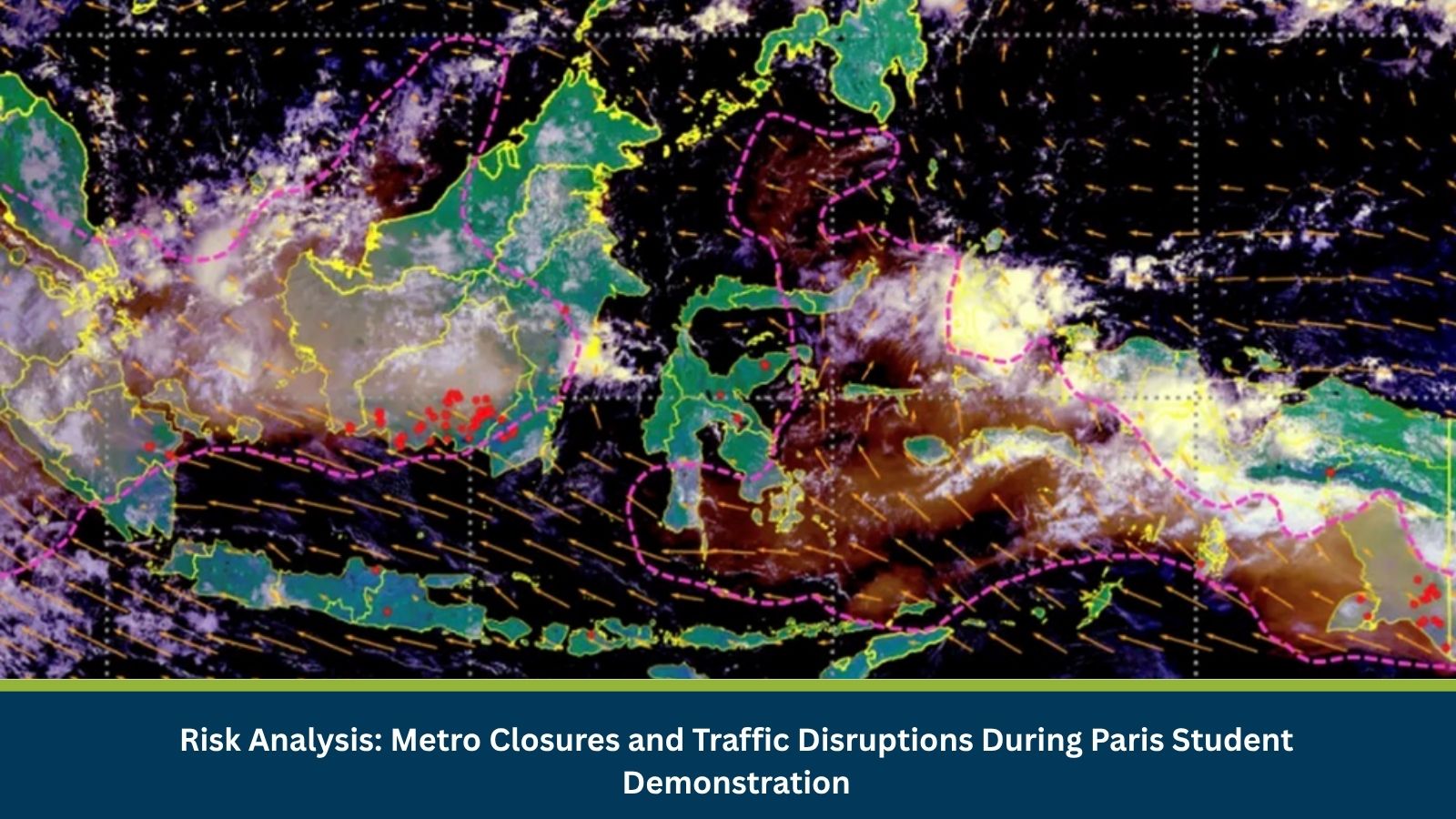
Forest and land fires in Indonesia continue to generate smoke haze affecting neighboring parts of Southeast Asia as of Tuesday, 13 October 2026. The ASEAN Specialized Meteorological Centre (ASMC) reports hotspots in Kalimantan and southern Sumatra, with moderate to dense smoke plumes across parts of those regions. Transboundary haze has also been observed over parts of Peninsular Malaysia, Singapore, Borneo and Sumatra. Many air-quality monitoring stations across the affected region have reported unhealthy to hazardous conditions. Recent reporting indicates that prolonged dry weather and elevated fire activity have contributed to worsening conditions in Indonesia and neighboring countries. In Malaysia, some areas have recorded unhealthy or very unhealthy air quality, while Singapore has experienced unhealthy PSI readings across all five regions during the recent haze episode. Conditions vary by location and time, and the extent of smoke exposure can change with wind direction and rainfall.
- Date of Event: 13 October 2026
- Location: Indonesia, Singapore and Malaysia, particularly Kalimantan, southern Sumatra and affected areas of Peninsular Malaysia
- Risk Category: Environment
- Severity Score: 3/5
- Confidence Level: 75%
What is Risk Analysis in the Context of Environment Events
Environmental risk analysis for wildfire haze assesses the effects of airborne particulate matter on public health, visibility, outdoor operations and transport. Smoke from vegetation and peat fires can travel across national borders, exposing populations far from the fire sites. Persistent dry weather can prolong fire activity, while changes in wind direction may shift the areas experiencing the highest pollution levels.
Known Hotspots and Sensitive Areas
High Impact
- Kalimantan, Indonesia: Active hotspots and dense smoke plumes have been reported in parts of the region. Recent reporting identified particularly severe pollution in Central, South and West Kalimantan, including hazardous readings at some monitoring locations.
- Southern Sumatra, Indonesia: Hotspots and smoke plumes continue to contribute to the wider regional haze situation. Smoke concentration and exposure may vary according to wind direction and local weather.
- Affected areas of Peninsular Malaysia: Some monitoring stations have reported unhealthy or worse air quality, creating health concerns for residents, outdoor workers and vulnerable groups.
Medium Impact
- Singapore: The city-state has experienced unhealthy air quality during the current episode. Recent reporting recorded unhealthy PSI readings across all five regions, although readings can fluctuate as weather and wind conditions change.
- Sarawak and other parts of Malaysian Borneo: Regional smoke haze has been observed, with exposure varying by location.
- Southern ASEAN maritime and transport corridors: Haze may reduce visibility in affected areas, potentially complicating road travel and outdoor logistics where concentrations become dense.
Low Impact
- Areas with currently lower pollutant readings or rainfall sufficient to improve local air quality may experience less immediate exposure.
- Locations outside the main smoke-plume corridors may be less affected at a given time; however, changes in wind direction can alter the distribution of haze.
Impact on Transportation and Services
The principal operational exposure is to public health, outdoor work and regional transport. Dense haze can reduce visibility on roads and potentially affect aviation or other transport operations if local conditions deteriorate sufficiently.
Recommended Actions
- Monitor the latest air-quality readings from Indonesia’s environmental authorities, Singapore’s National Environment Agency and Malaysia’s Department of Environment.
- Reduce prolonged or strenuous outdoor activity when local readings reach unhealthy levels.
- Employers should review outdoor-work schedules and provide suitable respiratory protection in accordance with local occupational-health guidance.
- Individuals with asthma, heart or lung conditions, older adults and children should take additional precautions during periods of poor air quality.
- Businesses should prepare contingency arrangements for outdoor events, field operations and employees exposed to smoke.
- Transport operators should monitor local visibility and weather advisories before making operational decisions.
- Continue monitoring ASMC hotspot and haze updates, particularly for Kalimantan and southern Sumatra, where active fires and smoke plumes have been identified.
Emergency Contacts
- Indonesia Emergency Services: 112, where available locally
- Singapore Emergency Ambulance / Fire: 995
- Malaysia Emergency Services: 999
Final Thoughts
The regional haze episode presents a moderate environmental risk with potentially significant localized health consequences. Indonesia remains the principal source area identified in current regional monitoring, while Singapore and Malaysia face exposure to transboundary smoke. The main concern is the persistence of unhealthy or hazardous air quality in affected locations, particularly if dry weather sustains fire activity. Businesses should continue monitoring local readings and adjust outdoor operations according to actual conditions. Leveraging MitKat’s Datasurfr enables businesses to receive real-time intelligence, monitor evolving threats and make informed decisions to protect people, assets and operations.