





Executive Summary for Suspected H5N1 Avian Influenza Cases in South Australia
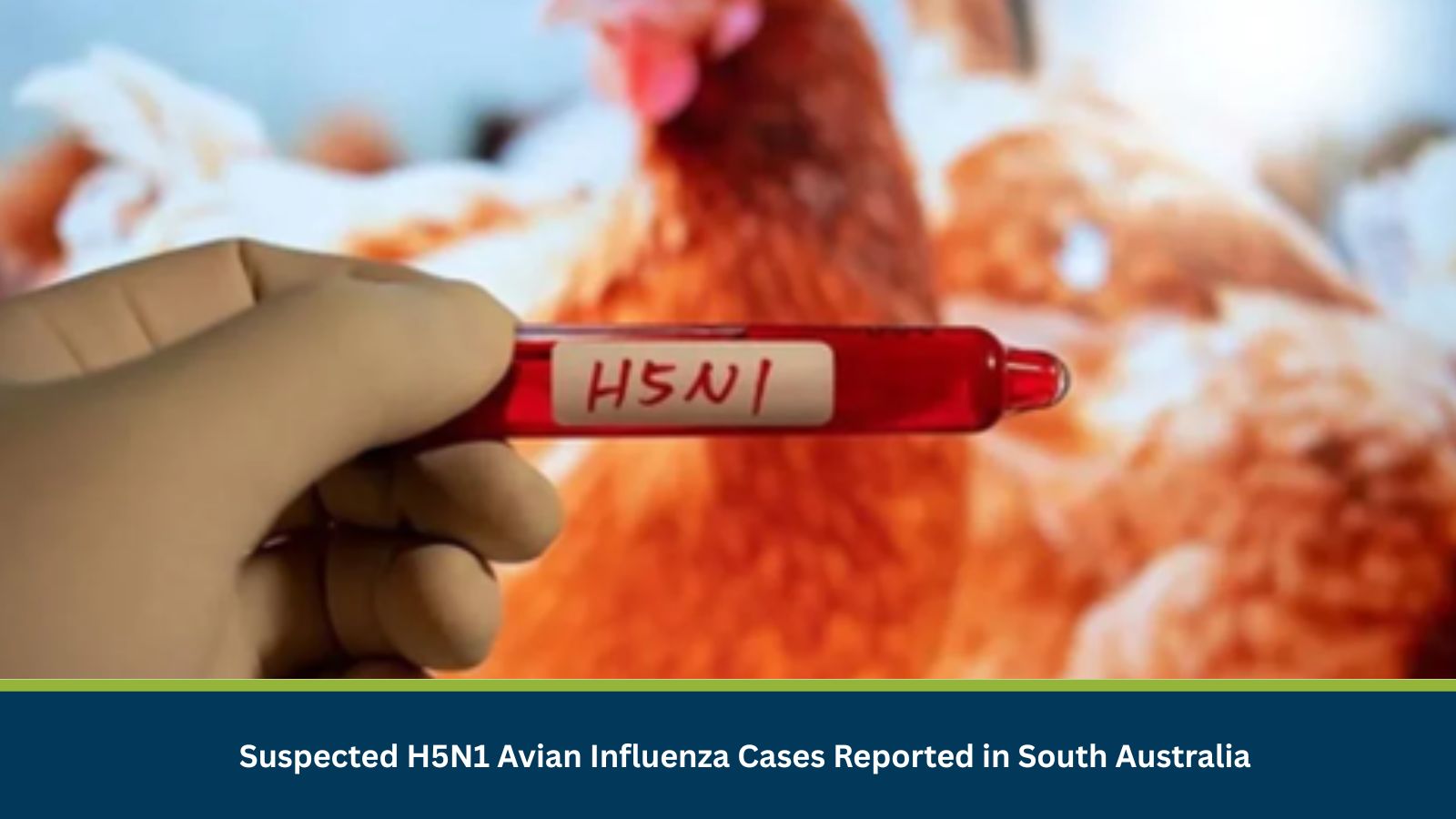
South Australian authorities have identified seven new suspected H5N1 avian influenza cases in wild seabirds along the state’s coastline. Samples have been sent to the Australian Centre for Disease Preparedness for confirmation, while surveillance has been intensified to monitor potential spread. Authorities have stated that there is no evidence of infection in poultry, and the risk to human health remains low.
- Date of Event: 27 July 2026
- Location: South Australia (Limestone Coast)
- Risk Category: Health
- Severity Score: 3 / 5
- Confidence Level: 70%
What is Risk Analysis in the Context of Health Events
Health event risk analysis evaluates the impact of disease outbreaks on wildlife, agriculture, food security, public health and trade. Although the current cases are confined to wild birds, continued surveillance is essential to prevent transmission to commercial poultry and minimize ecological impacts.
Known Hotspots and Sensitive Areas
High Impact
- Limestone Coast
- Cape Jaffa, Southend Jetty and Port MacDonnell
- Coastal seabird habitats
Medium Impact
- Wildlife reserves and wetlands
- Poultry farms under enhanced surveillance
- Bird migration corridors
Low Impact
- Urban areas away from affected wildlife habitats
- Commercial poultry facilities with established biosecurity measures
Impact on Transportation and Services
The outbreak has primarily affected wildlife monitoring and biosecurity operations. Agricultural authorities have increased surveillance, while no disruptions have been reported to poultry production or commercial trade.
Recommended Actions
- Report suspected cases to local biosecurity authorities.
- Maintain strict biosecurity measures for poultry operations.
- Monitor updates issued by Australian health and agriculture authorities.
Emergency Contacts
- Emergency Services: 000
Final Thoughts
The suspected H5N1 cases represent a moderate biosecurity concern. Continued surveillance and rapid laboratory confirmation will be essential to prevent further spread while protecting Australia’s wildlife and poultry industries. Leveraging MitKat’s Datasurfr enables businesses to receive real-time intelligence, monitor evolving threats and make informed decisions to protect people, assets and operations.