





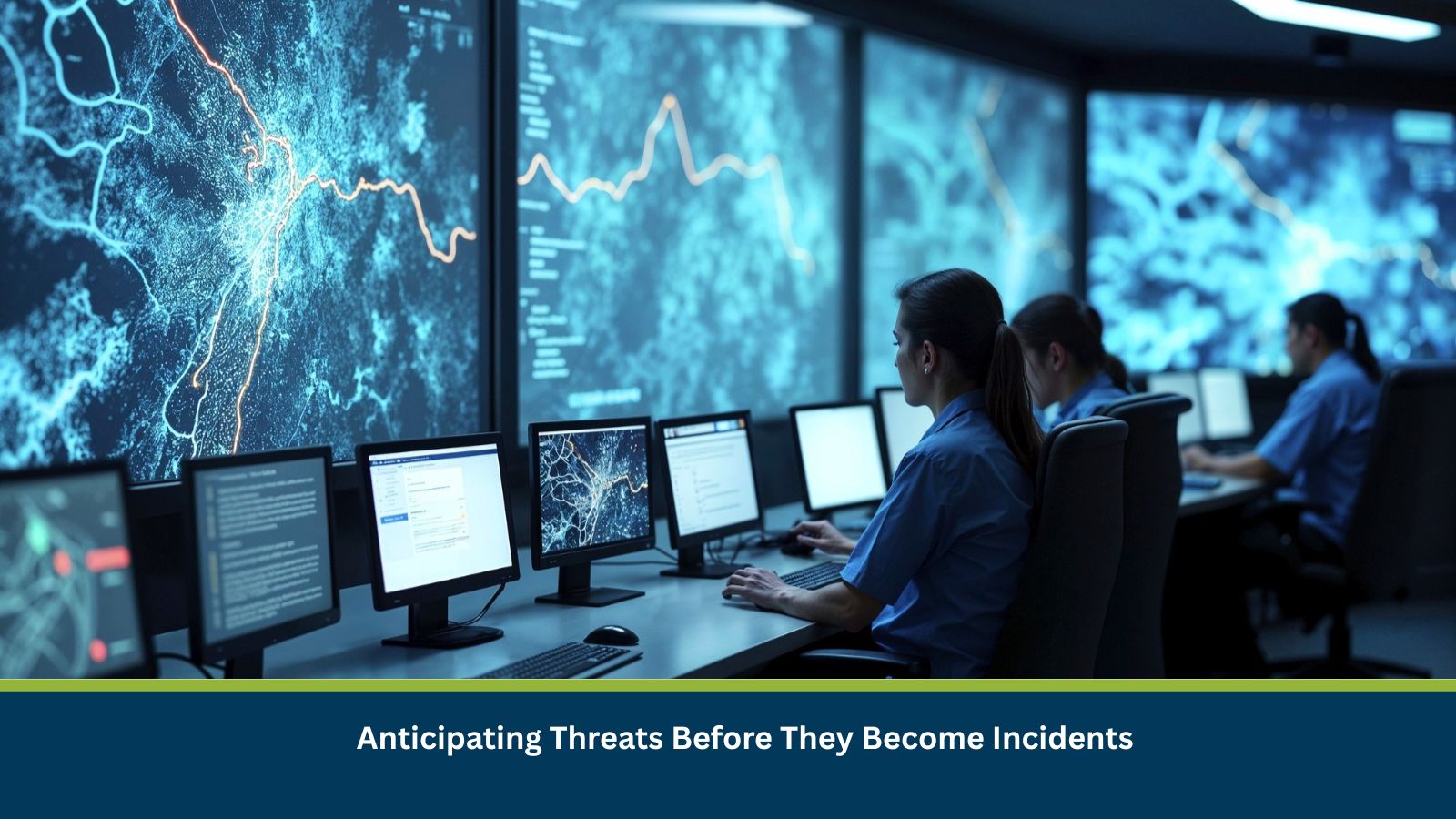
As security threats become more sophisticated, organizations must move beyond traditional security measures that focus only on responding to incidents. Businesses today face risks ranging from workplace violence and executive threats to cyber-enabled harassment, insider risks, activism, and geopolitical instability. Protective Intelligence Services help organizations identify these threats early, assess their potential impact, and implement preventive measures before they escalate into serious incidents.
What Are Protective Intelligence Services?
Protective intelligence is the process of collecting, analyzing, and evaluating information related to potential security threats against an organization, its people, or its assets. It involves monitoring multiple intelligence sources—including open-source intelligence (OSINT), social media platforms, news reports, public records, and internal security data—to identify suspicious activities or emerging risks.
Unlike traditional security, which often reacts after an event occurs, protective intelligence enables organizations to take a proactive approach by recognizing warning signs, understanding threat actors, and supporting informed security decisions.
Why Protective Intelligence Is Important
Modern threats rarely occur without warning. Individuals or groups often leave digital footprints, exhibit concerning behaviours, or communicate intentions before taking harmful actions. Protective intelligence enables organizations to detect these indicators early and develop appropriate mitigation strategies.
By integrating intelligence into security operations, businesses can reduce the likelihood of security incidents, protect their workforce, maintain business continuity, and strengthen overall organizational resilience.
Key Protective Intelligence Services
Threat Monitoring
Continuous threat monitoring involves tracking online discussions, public information, social media activity, and intelligence feeds to identify emerging threats that could impact an organization. Security analysts evaluate this information to distinguish credible threats from background noise, allowing organizations to respond quickly when necessary.
Threat Assessment
Not every reported threat presents the same level of risk. Threat assessment involves analysing an individual’s intent, capability, motivation, and opportunity to determine the likelihood of an incident occurring. This structured evaluation helps organizations prioritize resources and implement proportionate security measures.
Executive Protection Intelligence
Senior executives, board members, and high-profile personnel often face increased security risks due to their public visibility and decision-making roles. Protective intelligence supports executive protection by monitoring potential threats, evaluating travel risks, assessing public event security, and identifying individuals or groups that may pose a danger.
Event Security Intelligence
Corporate events, conferences, shareholder meetings, and public gatherings require thorough risk assessments before they take place. Protective intelligence evaluates venue security, local crime trends, protest activity, transportation risks, and other external factors to ensure events are conducted safely and with minimal disruption.
Geopolitical Risk Intelligence
Organizations operating across multiple regions must remain aware of political instability, civil unrest, regulatory changes, terrorism, and regional conflicts. Geopolitical intelligence provides timely insights that help businesses make informed decisions regarding travel, investments, supply chains, and operational continuity.
Insider Threat Monitoring
Security risks do not always originate from outside an organization. Employees, contractors, or third-party partners may intentionally or unintentionally create security vulnerabilities. Protective intelligence helps identify concerning behavioural indicators while supporting investigations and strengthening internal security policies.
Benefits of Protective Intelligence Services
Implementing protective intelligence offers organizations several strategic advantages. It improves decision-making by providing leadership with accurate and timely intelligence, allowing security teams to act proactively rather than reactively. It also enhances executive protection, strengthens workplace safety, supports crisis preparedness, and minimizes operational disruptions.
Additionally, intelligence-led security helps organizations protect their reputation by identifying reputational risks before they escalate into public crises.
Industries That Benefit from Protective Intelligence
Protective intelligence services are valuable across a wide range of industries, including financial services, technology, manufacturing, healthcare, hospitality, logistics, critical infrastructure, energy, education, and government. Any organization responsible for protecting employees, customers, facilities, or sensitive information can benefit from intelligence-driven security.
Frequently Asked Questions (FAQs)
1. What are Protective Intelligence Services?
Protective Intelligence Services involve collecting, analyzing, and assessing information to identify potential threats to individuals, organizations, facilities, or events. The objective is to detect risks early and enable preventive action before incidents occur.
2. Who can benefit from Protective Intelligence Services?
These services are valuable for corporations, government agencies, financial institutions, multinational companies, educational institutions, event organizers, healthcare organizations, and high-profile individuals who face elevated security risks.
3. How is protective intelligence different from traditional security?
Traditional security primarily focuses on responding to incidents or physically protecting assets. Protective intelligence is proactive—it continuously monitors potential threats, evaluates their credibility, and provides actionable insights to prevent security incidents before they happen.
4. What types of threats can Protective Intelligence Services identify?
Protective intelligence can detect threats such as targeted violence, workplace threats, executive risks, protests, insider threats, travel security concerns, reputational risks, cyber-physical threats, and other emerging security issues.
5. Does protective intelligence include social media monitoring?
Yes. Protective intelligence often includes monitoring publicly available online sources, including social media, news platforms, forums, and other open-source intelligence (OSINT) channels to identify credible threats and emerging risks.
Conclusion
In today’s increasingly complex risk environment, organizations can no longer afford to rely solely on reactive security measures. Protective Intelligence Services provide a proactive approach by identifying, analysing, and mitigating potential threats before they escalate into security incidents. By leveraging open-source intelligence, threat monitoring, behavioural analysis, and risk assessments, businesses can safeguard their executives, employees, assets, and operations from a wide range of physical and digital threats.
Whether protecting high-profile individuals, monitoring emerging risks, or supporting corporate security strategies, protective intelligence enables informed decision-making and strengthens organizational resilience. Partnering with an experienced protective intelligence provider ensures that businesses remain prepared, adaptable, and capable of responding effectively to evolving security challenges.