





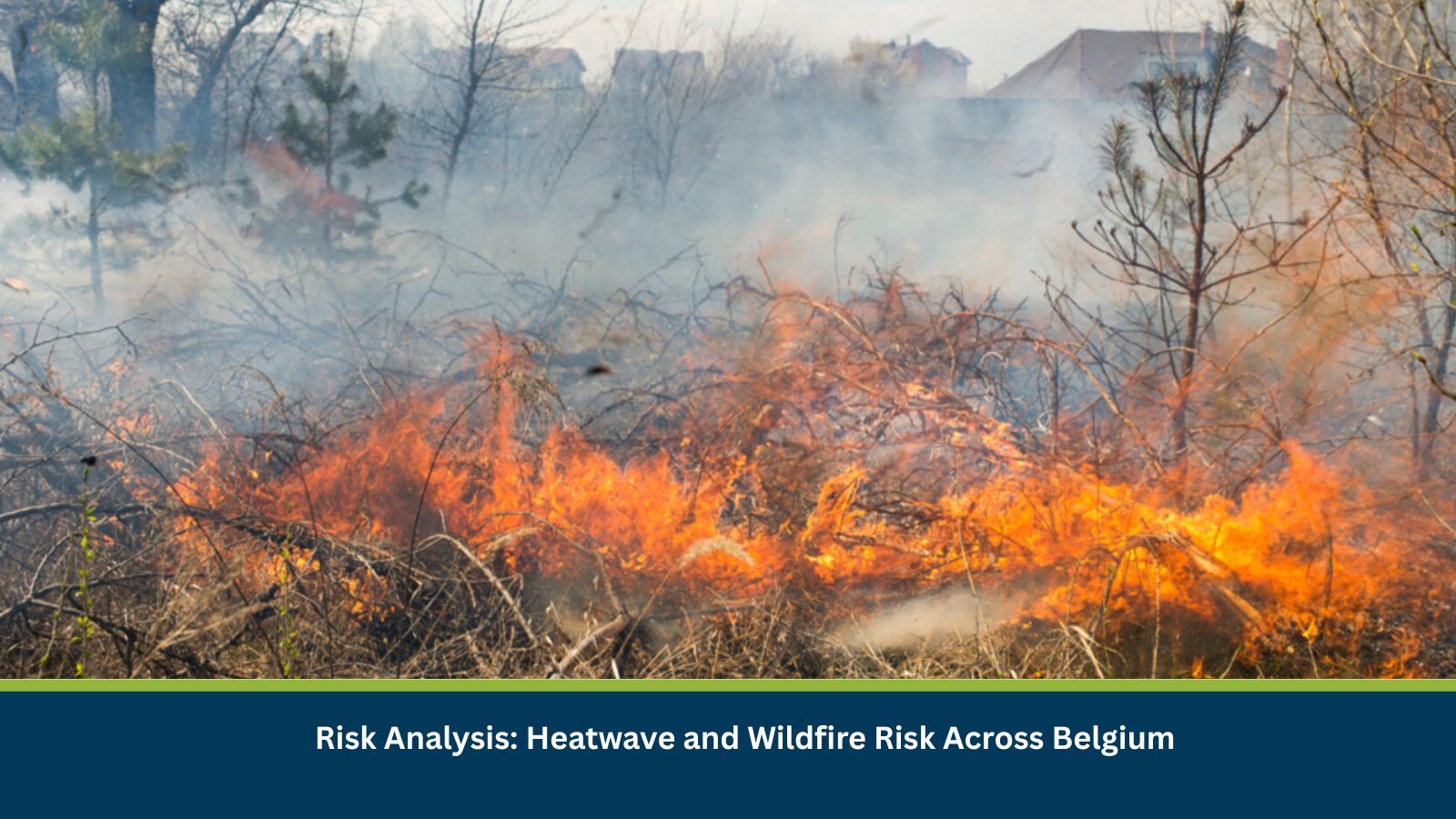
Executive Summary for Heatwave and Wildfire Risk Across Belgium
Belgian authorities have issued heatwave alerts and heightened wildfire warnings across parts of the country until Sunday, 12 July, as prolonged high temperatures and dry conditions increase the risk of vegetation fires. Several provinces have implemented precautionary measures, including restrictions on campfires and open flames in forested areas. Businesses should prepare for potential disruptions to outdoor operations, transportation and public services while monitoring official advisories.
- Date of Event: 10 – 12 July 2026
- Location: Belgium
- Risk Category: Environment
- Severity Score: 4 / 5
- Confidence Level: 90%
What is Risk Analysis in the Context of Environment Events
Environment events analysis assesses the impact of extreme weather conditions like high temperatures on business continuity, workforce safety, infrastructure and emergency services. Heatwaves increase pressure on healthcare systems, utilities and transportation networks, while dry vegetation significantly elevates the risk of wildfires that can disrupt commercial activities and public safety.
Authorities across Belgium have introduced precautionary measures in response to persistent high temperatures, with several provinces restricting campfires and other activities that could trigger vegetation fires. Organizations operating outdoor facilities or conducting field operations should remain vigilant as weather conditions may continue to evolve.
Known Hotspots and Sensitive Areas
High Impact
- Walloon Brabant
- Namur
- Forested and protected natural areas
- Recreational parks and campsites
Medium Impact
- Brussels
- Antwerp
- Industrial estates
- Outdoor construction sites
Low Impact
- Urban areas with limited wildfire exposure
Impact on Transportation and Services
The combination of high temperatures and elevated wildfire risk may affect outdoor work, public recreation, transportation networks and emergency response resources. Increased electricity demand, heat-related health concerns and temporary restrictions on outdoor activities may also impact business operations. Organizations should monitor local conditions and prepare for localized disruptions if wildfire incidents occur.
Recommended Actions
- Monitor advisories issued by the Royal Meteorological Institute (RMI) and regional authorities.
- Suspend non-essential activities involving open flames in high-risk areas.
- Review heat stress protocols for employees working outdoors.
- Ensure emergency response procedures are updated for wildfire scenarios.
- Monitor transportation and utility services for weather-related disruptions.
Multidimensional Impact
The prolonged heatwave may simultaneously affect public health, transportation, energy demand, tourism, agriculture and emergency services. Should wildfire incidents occur, localized road closures, evacuations and operational disruptions may follow. Organizations should maintain situational awareness and activate contingency measures where appropriate.
Emergency Contacts
- Emergency Services: 112
- Fire Service: 112
Final Thoughts
The ongoing heatwave and elevated wildfire risk represent a moderate operational and environmental risk across Belgium. Organizations should prioritize employee safety, monitor official weather updates and implement appropriate mitigation measures to reduce operational disruptions. Leveraging MitKat’s Datasurfr enables businesses to receive real-time weather and wildfire alerts, helping protect people, assets and operations.