





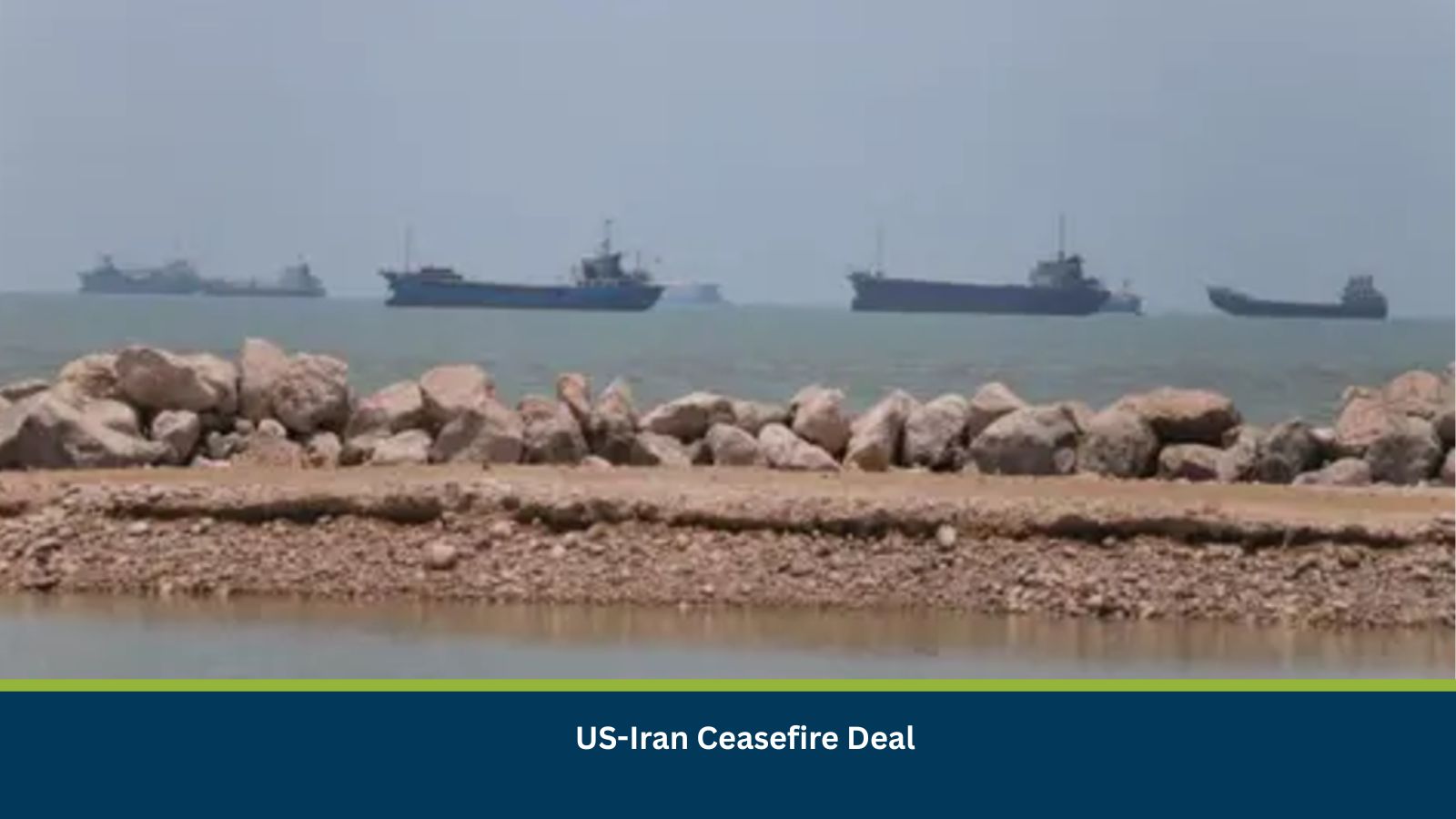
US-Iran Deal: What the Hormuz MOU Means for European Business
On 17 June 2026, the United States and Iran signed a memorandum of understanding (MOU) to end the war that began on 28 February and reopen the Strait of Hormuz to commercial shipping. It was signed electronically and is in effect immediately. The deal extends the 8 April ceasefire by 60 days and sets a deadline for a final agreement. Importantly for business risk, it is a conditional, time-limited pause, not a final settlement.
What Is in the Agreement The MOU has 14 points. The ones that matter most for European businesses:
- An immediate and permanent end to military operations, including in Lebanon.
- A commitment to reach a final deal within 60 days.
- An end to the US naval blockade within 30 days.
- Free transit through the Strait of Hormuz for 60 days. Iran may charge vessels to pass after that.
- US Treasury waivers for Iranian crude exports, effective immediately. The wider sanctions rollback is unclear.
- Iran to “down-blend” its enriched nuclear stockpile, about 11 tons, including roughly 970 pounds at 60%, just short of weapons grade.
- A supposed USD 300 billion reconstruction fund for Iran, contingent on a final deal.
Why It Matters for European Businesses
The Strait of Hormuz carried close to 20% of global energy supply before the war. Its closure drove oil prices sharply higher; the deal has reversed much of that. Brent crude fell about 1.2% to USD 78.62 a barrel in early trading on Thursday, and the first vessels left and entered the strait if Hormuz the same day.
For European businesses this means:
- Lower, steadier oil prices, feeding into fuel, freight and inflation across manufacturing, logistics and transport.
- Higher investor confidence, with equity markets up on the news.
- Reduced travel and security risk across the Gulf, though the ceasefire has been broken before.
- Possible reconstruction opportunities in construction, energy and infrastructure. The Financial Times reports the USD 300 billion is expected to come mostly from private firms, not governments, so it carries commercial risk and depends on a final deal.
Risks to Monitor
If a final agreement is not reached, the relief offered by the MOU can be temporary and the conflict can continue. This agrement is temporary, and whether a final agreement can be reached is hihgly uncertain. The first set of renewed negotations, planned for Friday June 19 in Switzerland, were called off. Some key points to monitor:
- The nuclear issues. It is still unresolved whether Iran keeps its material, closes facilities, keeps enriching, or suspends that work for 13–20 years. This is the most likely point of breakdown.
- Lebanon. Israel has signalled it does not consider itself bound by Lebanon terms agreed between the US and Iran, so this could reopen. On Friday June 19, Israel and Hezbollah were still carrying out airstrikes against one another.
- Renewed strikes. Trump has said he could order bombing again if Iran does not comply.
- US politics. Hawkish Republicans argue the deal is too soft, which could make a final agreement harder.
Next to these impediments to a final deal, there are two additional risks for business that should be considered:
- The 60-day expiry. Free transit and the negotiating window end together, with possible Hormuz transit fees after that.
- Sanctions snapback. Relief is staged and reversible; re-engaging Iran-linked counterparties now carries snapback and secondary-sanctions risk.
What European Businesses Should Do Now
- Treat the price relief as temporary. Keep energy and freight hedging flexible.
- Review Iran sanctions exposure before acting on any waiver.
- Plan Gulf routes for a gradual reopening, not an immediate return to normal.
- Monitor the ceasefire, sanctions notices and nuclear talks closely.
FAQs
What does the MOU change for European business? It reopens the Strait of Hormuz, lifts the US naval blockade and allows Iranian crude exports again, easing oil prices, freight costs and inflation. Brent fell to about USD 78.62 a barrel after the deal. Broader sanctions relief is staged and depends on Iran complying over 60 days.
Is it safe to resume business with Iran-linked counterparties?
Not without caution. Crude waivers are immediate, but wider relief is reversible and the final deal is unsettled. Re-engaging now carries snapback, secondary-sanctions and reputational risk. Get legal and compliance advice first.
Could the deal collapse?
Yes. Free transit and the talks both expire at 60 days, the nuclear question is unresolved, and renewed strikes have been threatened. A breakdown would bring back Hormuz risk and push oil prices higher.
How MitKat’s Datasurfr Helps
Developments around the deal are fast-moving, uncertain, and volatile, and many risks to businesses remain. MitKat’s Datasurfr brings these together into one risk picture, combining real-time threat intelligence, OSINT monitoring and critical event alerts with expert analysis, so security, continuity and risk teams can act early. Book a free demo today.