





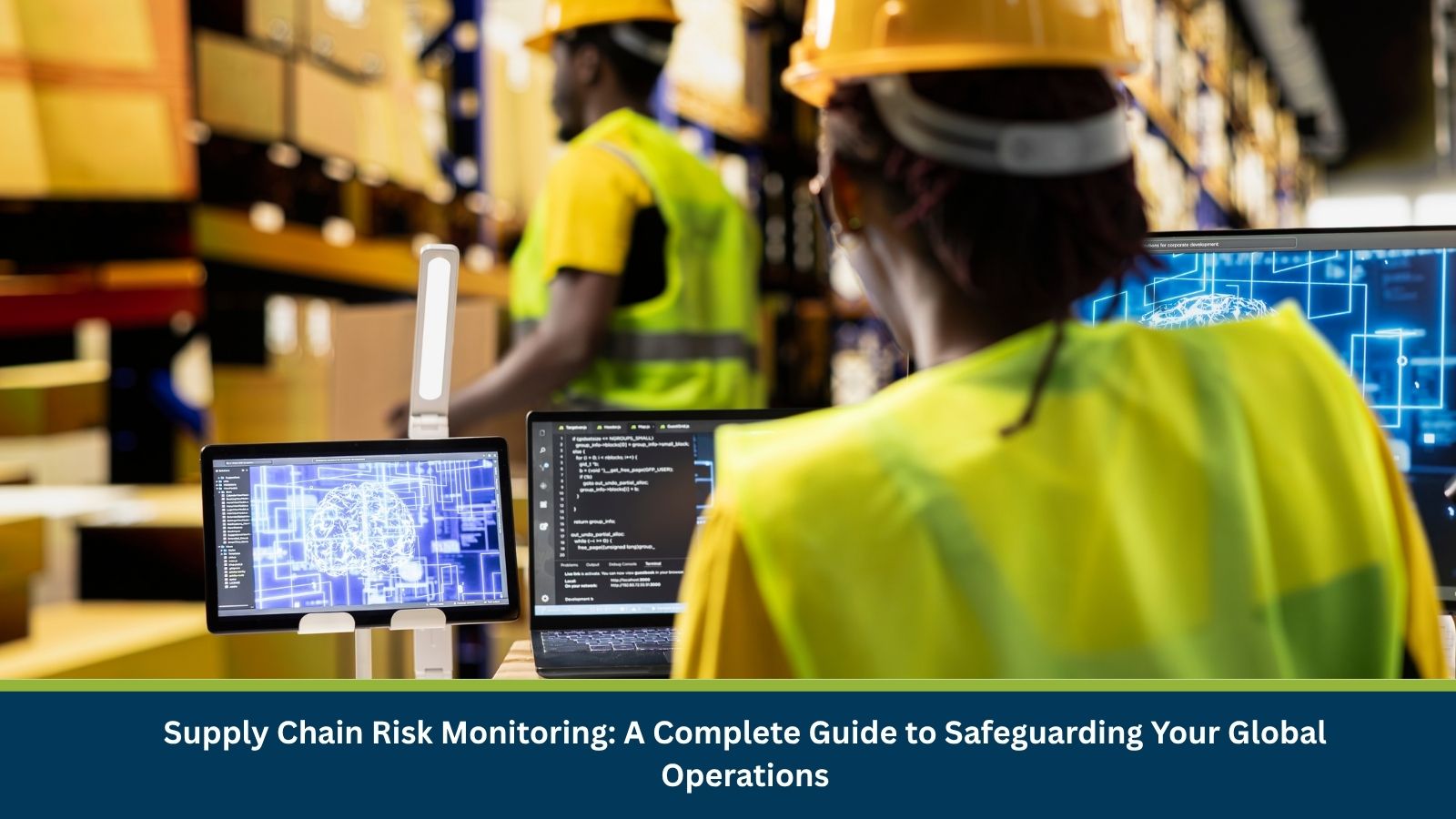
The global supply chain is the backbone of modern business operations. However, its vast complexity and reliance on multiple players across various regions also make it vulnerable to a range of risks. From natural disasters to geopolitical instability and cyberattacks, any disruption in the supply chain can have a far-reaching impact on business continuity, revenue, and reputation.
In today’s rapidly evolving world, supply chain risk monitoring is no longer optional. Businesses must leverage advanced technology, real-time data, and predictive analytics to proactively identify, assess, and mitigate potential risks.
This blog explores the importance of supply chain risk monitoring, the key components of an effective strategy, and how AI, geospatial intelligence, and modern tools can transform risk management.
Why Supply Chain Risk Monitoring is Critical for Businesses
1. Minimizing Operational Disruptions
Supply chain disruptions—whether caused by a natural disaster, labor strikes, or transportation bottlenecks—can halt production, delay shipments, and increase operational costs. Monitoring risks across the entire supply chain ensures that businesses can anticipate disruptions and make quick adjustments, keeping operations on track.
2. Protecting Business Continuity
A failure in one segment of the supply chain can lead to a domino effect, affecting multiple departments, partners, and customers. By proactively monitoring potential risks, businesses can implement contingency plans to avoid lengthy downtimes and minimize financial loss.
3. Compliance with Regulations
With increasing global regulations and safety standards, businesses need to ensure their supply chains are fully compliant with local and international requirements. Risk monitoring tools help track compliance and ensure that your supply chain remains in line with regulatory frameworks.
4. Enhancing Customer Satisfaction
Supply chain disruptions often lead to delays in delivery times, impacting customer satisfaction. Monitoring supply chain risks and ensuring on-time delivery can improve the overall customer experience, fostering brand loyalty and retention.
Key Components of Supply Chain Risk Monitoring
1. Real-Time Data and Analytics
Real-time data is the cornerstone of effective supply chain risk monitoring. By tracking logistics, inventory, and transportation networks in real-time, businesses can quickly identify disruptions and take corrective actions. Data analytics also provide insight into historical performance and help anticipate future risks, such as:
- Weather-related delays
- Cybersecurity threats
- Political instability
2. Geospatial Intelligence (GIS)
Geospatial intelligence (GIS) provides businesses with a visual representation of their supply chain operations. By analysing satellite imagery, real-time location data, and supply chain routes, businesses can gain insights into:
- Disruptions caused by natural disasters (e.g., floods, hurricanes)
- Supply chain congestion (e.g., port delays, traffic bottlenecks)
- Geopolitical instability affecting transit routes
Using AI-powered geospatial tools, businesses can track goods across multiple regions, identify at-risk areas, and optimize their supply chain routes to avoid disruptions.
3. AI and Machine Learning for Predictive Risk Analysis
AI and machine learning can take supply chain monitoring to the next level by analyzing historical data, market trends, and external factors to predict potential disruptions before they occur. By leveraging predictive models, businesses can:
- Forecast supply chain bottlenecks
- Analyse weather patterns to predict delays
- Detect anomalies in transit data, such as potential theft or fraud
- Identify potential shortages in supply or materials
AI can also automate processes, sending real-time alerts to decision-makers, enabling faster responses to mitigate risks.
4. Supply Chain Mapping and Visibility
Visibility into the entire supply chain is critical for understanding and monitoring risks. Tools that allow businesses to map their entire supply chain, from raw material suppliers to end customers, enable organizations to quickly identify vulnerabilities and areas at risk of disruption.
These tools help businesses:
- Monitor inventory levels and track goods in transit
- Identify bottlenecks in production
- Optimize supplier networks and partnerships
Best Practices for Effective Supply Chain Risk Monitoring
1. Diversify Supply Sources
Relying on a single supplier or transportation route exposes businesses to greater risk. By diversifying suppliers and routes, businesses can minimize the impact of disruptions on their overall operations.
2. Leverage Technology for Proactive Monitoring
Utilize real-time data collection, geospatial intelligence, and AI-based analytics to proactively monitor risks. These technologies provide early warnings, allowing businesses to adjust plans and respond quickly before risks escalate.
3. Collaborate with Partners and Suppliers
Building strong relationships with suppliers and partners allows businesses to create a collaborative approach to risk management. Sharing risk data and monitoring efforts ensures that all parties are aligned and prepared to respond to disruptions.
4. Establish a Risk Management Framework
Implement a comprehensive risk management framework that outlines:
- Risk identification: Recognizing potential threats
- Risk assessment: Evaluating the severity and likelihood of risks
- Risk mitigation: Developing strategies to prevent or reduce risk impact
- Response and recovery plans: Ensuring quick action and recovery from disruptions
Regularly updating the framework is essential to stay current with new risks, technologies, and market conditions.
How AI and Automation Transform Supply Chain Risk Monitoring
AI and automation are reshaping how businesses manage supply chain risks. By integrating AI-driven platforms, companies can automate risk assessments and predict disruptions with greater accuracy. AI tools can continuously monitor:
- Supply chain health: AI analyses every stage of the supply chain in real time to identify risks.
- Market dynamics: Machine learning algorithms predict shifts in supply and demand that could create risks.
- Operational bottlenecks: Automation tools flag inefficiencies before they escalate into disruptions.
AI and automation help organizations remain agile, reduce manual intervention, and enhance decision-making through data-driven insights.
The Future of Supply Chain Risk Monitoring
As businesses continue to expand globally, advanced technologies will play a key role in monitoring and mitigating supply chain risks. The future of supply chain monitoring includes:
- Greater use of IoT devices for real-time tracking and data collection
- Advanced AI algorithms for more accurate risk prediction and management
- Blockchain technology for increased transparency and trust in supply chain transactions
- More sophisticated supply chain maps powered by AI and geospatial tools
As supply chains become increasingly complex, adopting these cutting-edge technologies will be essential for businesses to stay ahead of potential risks and ensure operational resilience.
Conclusion
Supply chain risk monitoring is a critical and ongoing process that helps businesses minimize disruptions, protect assets, and ensure long-term success. By integrating real-time data, AI, and geospatial intelligence, businesses can proactively identify risks and respond quickly to mitigate their impact.
In a world where global supply chains are becoming more interconnected and vulnerable to external factors, investing in comprehensive risk monitoring solutions is crucial to safeguarding your operations and future growth.
1. What is supply chain risk monitoring?
Supply chain risk monitoring involves tracking and analyzing potential risks—such as disruptions, natural disasters, or geopolitical instability—that may impact the supply chain.
2. How Datasurfr can help in supply chain risk monitoring?
Datasurfr helps organizations proactively monitor and mitigate supply chain risks with real-time alerts, AI-driven insights and geospatial visibility.