





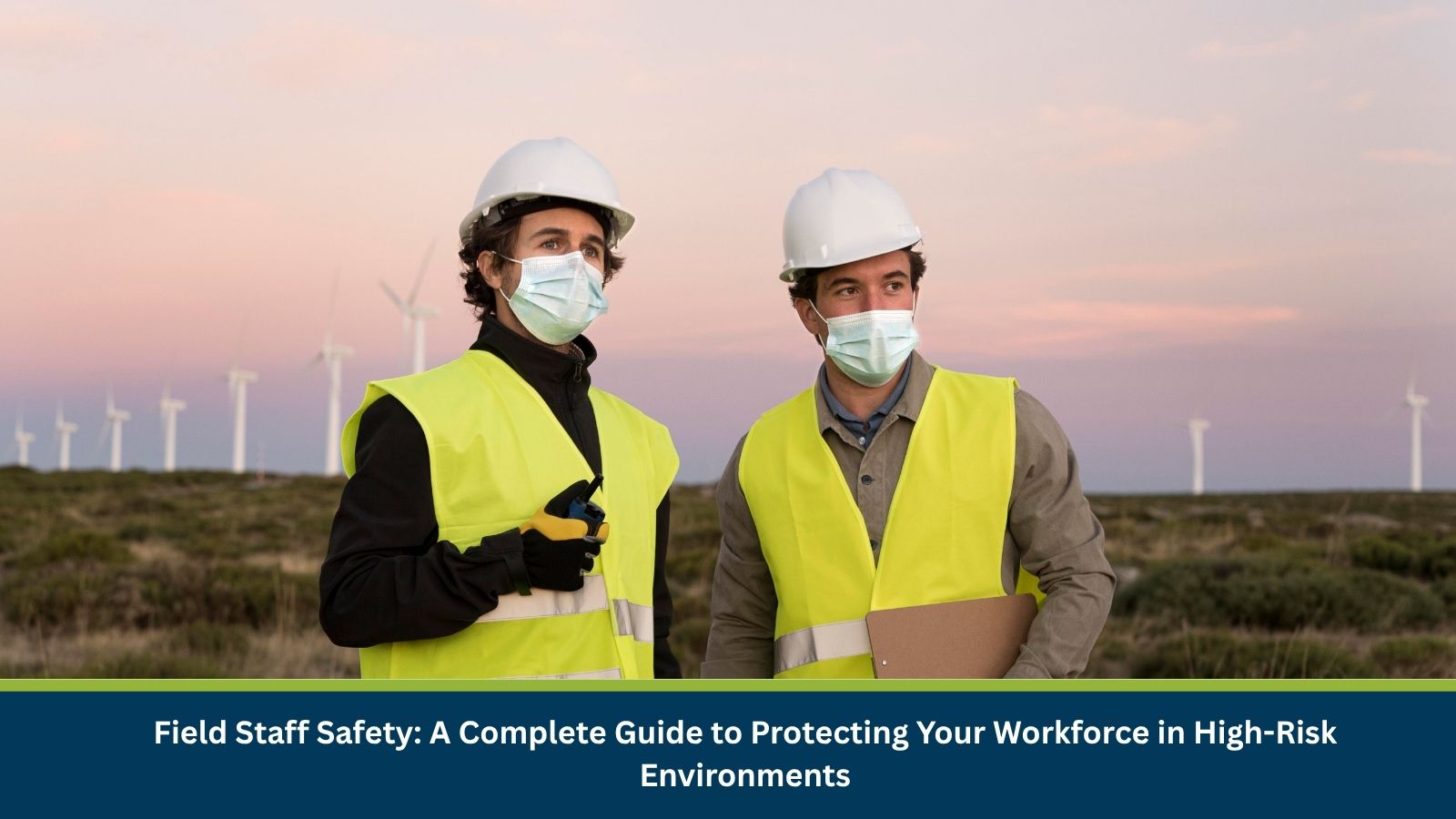
In today’s dynamic business environment, organizations increasingly rely on field staff—employees who operate outside traditional office settings. Whether in logistics, utilities, healthcare, construction, or sales, field workers often face unpredictable risks.
Ensuring field staff safety is no longer just a compliance requirement—it is a critical component of operational resilience, employee well-being, and brand reputation.Why Field Staff Safety Matters More Than Ever
Field employees are exposed to a wide range of risks, including:
- Remote or isolated working conditions
- Exposure to crime, accidents, or hostile environments
- Extreme weather and natural disasters
- Lack of immediate access to assistance
Organizations that fail to address these risks face not only legal consequences but also productivity losses, reputational damage, and employee dissatisfaction.
Key Risks Faced by Field Staff
1. Physical Safety Risks
Field workers often operate in hazardous environments such as construction sites, remote locations, or crowded urban areas.
2. Environmental Hazards
Extreme temperatures, floods, storms, or earthquakes can disrupt operations and endanger employees.
3. Security Threats
Theft, assault, civil unrest, or political instability can put field staff at risk, especially in unfamiliar regions.
4. Communication Gaps
Lack of real-time communication can delay response during emergencies.
Essential Strategies to Improve Field Staff Safety
1. Real-Time Location Tracking
Knowing where your employees are helps organizations respond quickly during emergencies and ensure timely support.
2. Risk Assessment Before Deployment
Evaluate the safety conditions of locations before sending employees to the field.
3. Emergency Communication Systems
Equip staff with tools to send alerts or request help instantly.
4. Safety Training and Awareness
Provide regular training on situational awareness, emergency response, and risk avoidance.
5. Incident Reporting and Monitoring
Encourage reporting of incidents and near-misses to improve safety protocols continuously.
The Role of Technology in Field Staff Safety
Modern organizations are leveraging technology to transform field safety from reactive to proactive.
Real-Time Alerts
Instant notifications about nearby risks such as accidents, protests, or weather disruptions.
Geofencing
Automatic alerts when employees enter high-risk zones.
AI-Powered Risk Analysis
Predictive insights help organizations anticipate risks before they escalate.
Centralized Dashboards
Security teams gain visibility into employee locations and incidents in one place.
Best Practices for Organizations
- Develop a clear duty of care policy for field employees
- Use data-driven insights to guide safety decisions
- Establish standard operating procedures (SOPs) for emergencies
- Conduct regular risk audits and drills
- Ensure 24/7 monitoring and support systems
Future Trends in Field Staff Safety
As risks evolve, so do safety strategies. Key trends include:
- Increased use of AI and predictive analytics
- Integration of wearable safety devices
- Adoption of mobile-first safety platforms
- Greater focus on mental well-being and fatigue monitoring
Conclusion
Field staff are the backbone of many industries, yet they operate in environments filled with uncertainty. Organizations must adopt proactive, technology-driven approaches to ensure their safety.
Investing in field staff safety is not just about protection—it’s about building a resilient, responsible, and future-ready organization.
MitKat’s Datasurfr helps organizations enhance field staff safety through real-time risk intelligence, proactive monitoring and actionable insights for faster, informed decision-making.