





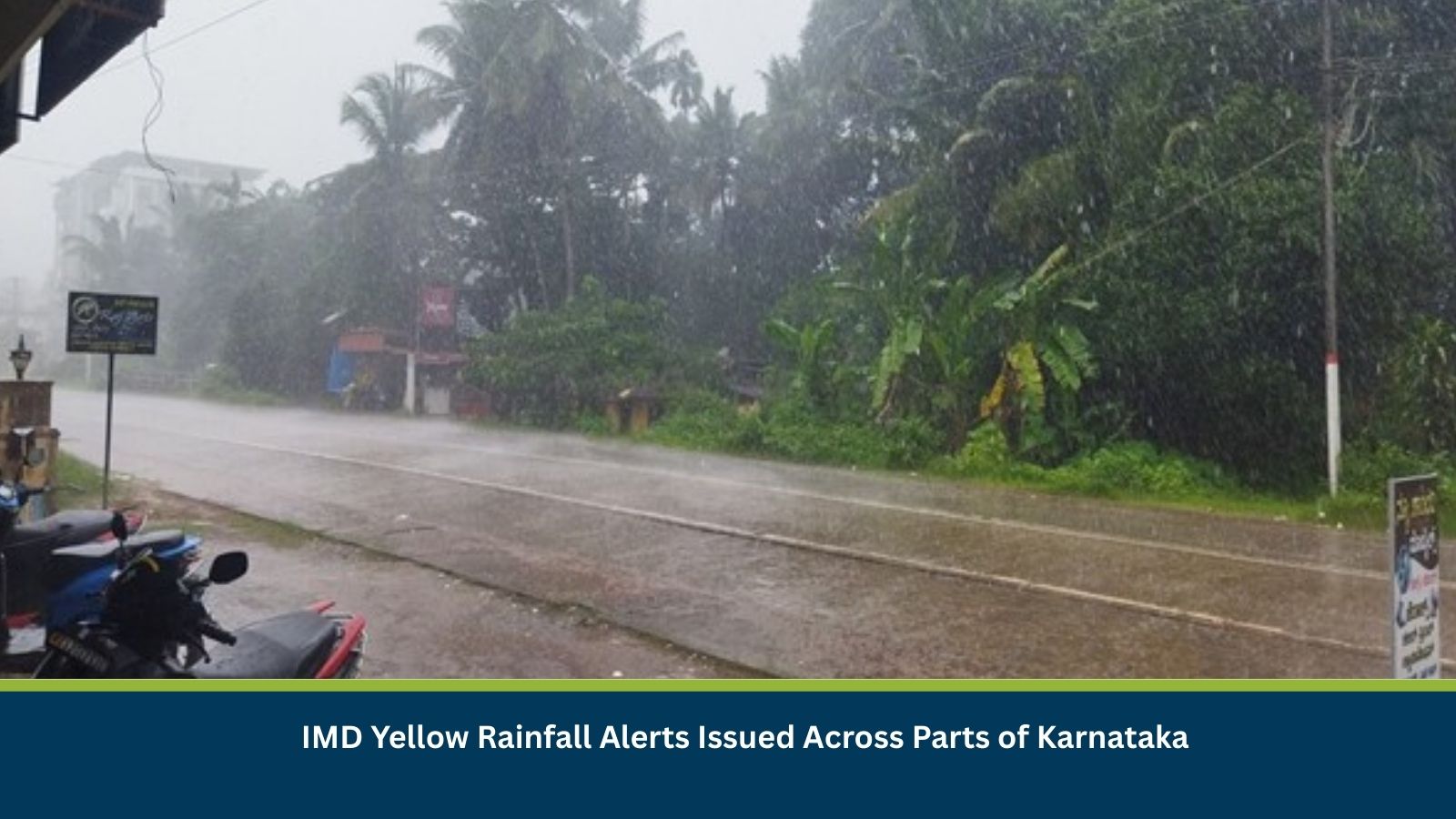
Executive Summary for the Yellow Alert for Rain in Karnataka
The IMD yellow alert for 16–20 March indicates a period of heightened weather activity across parts of Karnataka. Forecast conditions include light to moderate rainfall, isolated thunderstorms, lightning, and gusty surface winds. The overall severity is assessed as moderate, with impacts expected to remain localized. However, short bursts of heavy rainfall may cause urban waterlogging, traffic congestion, minor infrastructure disruptions, and travel delays, particularly in coastal districts and urban centres such as Bengaluru. Businesses and local authorities should maintain a monitoring posture and activate precautionary continuity measures during the alert period.
- Event Date: 16-20 March
- Location: Bengaluru, Mysuru, Shivamogga, Belagavi, Udupi and surrounding districts, Karnataka, India
- Risk Category: Environment
- Severity Level: 3 / 5
- Confidence Score: 75 %
What is Risk Analysis in the Context of Environment Events
Risk analysis in environmental events evaluates threats arising from weather systems, climate variability, and natural hazards that may affect public safety, infrastructure, and economic activity. These risks include heavy rainfall, thunderstorms, flooding, landslides, and storm-related disruptions. In the present case, the yellow alert issued by the India Meteorological Department (IMD) signals the likelihood of moderate weather disturbances across several districts of Karnataka. Such alerts typically indicate convective rainfall, thunderstorms, lightning, and gusty winds that may lead to localized flooding or temporary infrastructure disruption. Historically, Karnataka experiences similar seasonal thunderstorm activity during pre-monsoon months, especially in coastal and Western Ghats districts such as Udupi and Shivamogga. Urban centres like Bengaluru are also vulnerable to short-duration intense rainfall events that can overwhelm drainage systems and disrupt transportation networks.
Known Hotspots and Sensitive Areas
High Impact:
- Coastal districts such as Udupi and nearby coastal corridors
- Western Ghats districts including Shivamogga and surrounding hill region
- Urban Bengaluru areas with known drainage vulnerabilities
Medium Impact:
- Mysuru and Belagavi districts
- Key transport corridors connecting coastal Karnataka and interior district
Low Impact:
- Areas with stronger drainage infrastructure or limited topographic vulnerability
Seasonal weather advisories in Karnataka often produce localized and short-duration disruptions rather than widespread damage.
Impact on Transportation and Services
Weather conditions during the alert window may cause temporary disruptions across road transport networks, particularly on coastal highways and ghat road corridors where visibility and road conditions deteriorate during heavy rainfall. Urban mobility in Bengaluru may be affected by traffic congestion and localized flooding in low-lying wards. Bus services and intercity road travel may experience delays. Railway and port operations are generally resilient but may see temporary slowdowns during intense rainfall. Businesses may experience employee commuting delays, reduced customer footfall, and minor operational interruptions, particularly in sectors reliant on field operations or logistics. Localized power fluctuations, telecommunications interruptions, and utility disruptions may occur in areas affected by lightning or strong winds.
Recommended Actions
Immediate Actions:
- Monitor IMD weather alerts and district-level advisories throughout the alert period.
- Limit non-essential travel during peak thunderstorm hours.
- Secure outdoor equipment and construction materials vulnerable to wind or rainfall.
- Implement employee safety advisories and flexible work arrangements where possible.
Strategic Measures:
- Integrate severe weather monitoring into business continuity and disaster preparedness planning.
- Strengthen drainage maintenance and facility inspections in flood-prone locations.
- Coordinate with agencies such as IMD, Karnataka State Disaster Management Authority (KSDMA), and the National Disaster Management Authority (NDMA) for updated advisories.
Multidimensional Impact
Weather disruptions may indirectly affect healthcare accessibility, logistics operations, and port connectivity in coastal districts. Increased rainfall may also affect event schedules and tourism activity in areas near the Western Ghats.
Emergency Contacts
- Emergency Services: 112
- IMD weather advisory platforms: mausam.imd.gov.in/
- Karnataka State Disaster Management Authority: ksdma.karnataka.gov.in/english
Final Thoughts
The IMD yellow alert across Karnataka from 16–20 March represents a moderate environmental risk associated with seasonal thunderstorm activity. While impacts are expected to remain localized, transportation delays, waterlogging, and minor infrastructure disruptions remain possible in vulnerable districts. Businesses and local authorities should maintain proactive monitoring and short-term preparedness measures to mitigate operational disruptions.
Stay ahead of operational risks with real-time alerts, scenario modelling, and expert advisories with datasurfr’s Predict. Start your 14-day free trial of Datasurfr’s Risk Intelligence Platform today.