





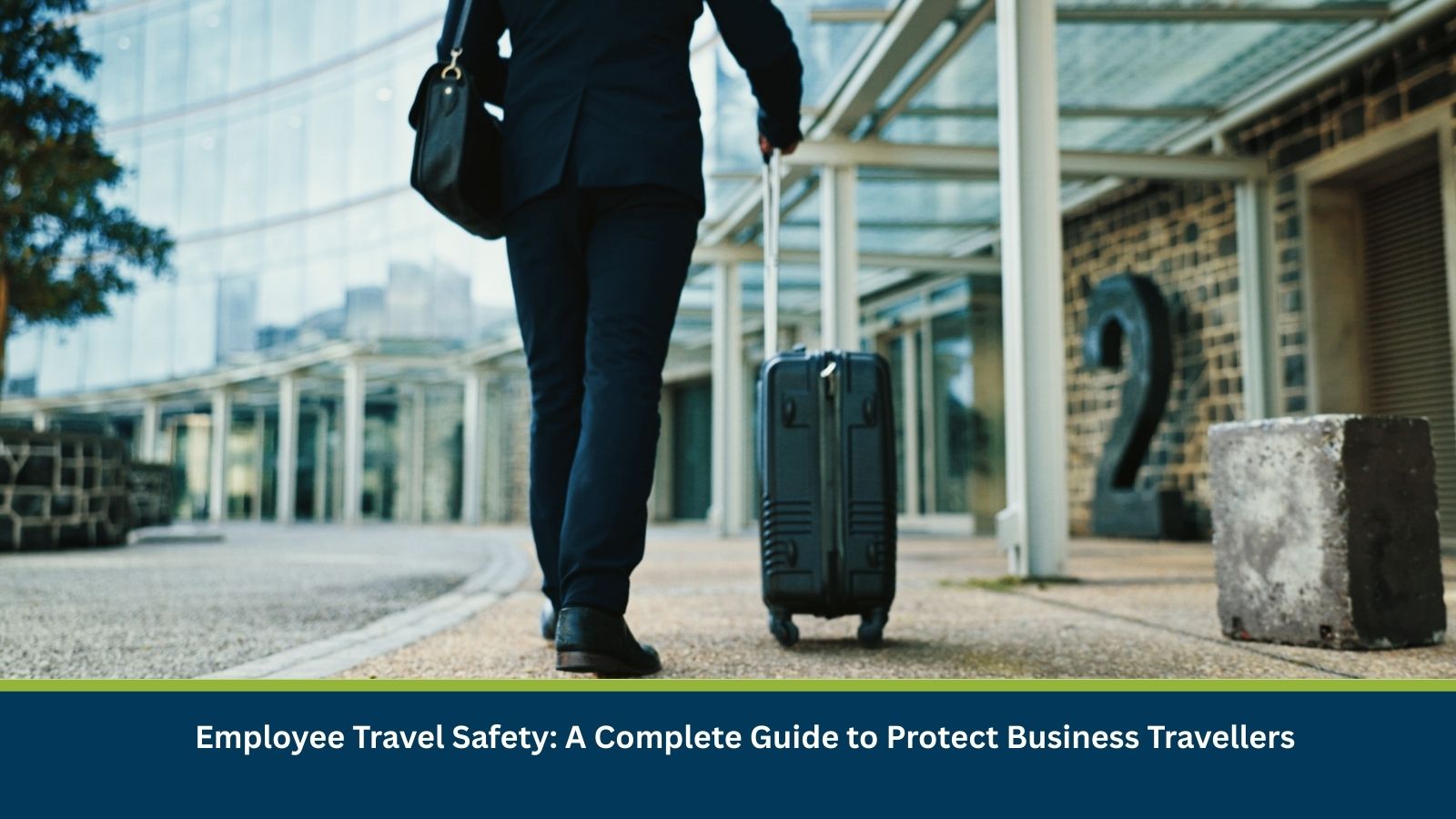
In today’s global business environment, employee travel is essential for growth, partnerships and expansion. However, international travel exposes employees to various risks — from political unrest and crime to natural disasters and health emergencies.
Organizations must move beyond traditional travel management and adopt proactive employee travel safety strategies. Companies that prioritize travel risk management not only protect their workforce but also ensure business continuity.
This guide explores the importance of employee travel safety, common travel risks, and how organizations can use modern tools to keep their employees safe wherever they go.
Why Employee Travel Safety Matters
Business travel comes with responsibilities. Organizations have a duty of care to protect employees while they travel for work.
Failing to ensure employee safety can lead to:
- Operational disruptions
- Legal liabilities
- Financial losses
- Damage to company reputation
Implementing a strong travel risk management program helps organizations stay prepared and respond quickly during emergencies.
Common Risks Faced by Business Travelers
Employees traveling internationally may encounter several risks depending on the region and situation.
Political Unrest and Protests
Political instability, demonstrations and protests can escalate quickly, putting employees in unsafe environments.
Crime and Security Threats
Certain regions may have higher crime rates, including theft, scams or violent incidents targeting travellers.
Natural Disasters
Earthquakes, floods, hurricanes and other environmental hazards can disrupt travel plans and endanger employees.
Health and Medical Emergencies
Pandemics, disease outbreaks and limited healthcare access in certain regions can create health risks for travellers.
Transportation Disruptions
Flight cancellations, strikes or infrastructure breakdowns can leave employees stranded in unfamiliar locations.
Key Components of an Effective Travel Risk Management Strategy
To ensure employee travel safety, organizations should implement a comprehensive travel safety framework.
Real-Time Risk Monitoring
Companies need tools that monitor global risks such as weather disruptions, protests, crime alerts and travel advisories in real time.
Location Visibility
Knowing where employees are traveling allows organizations to track potential threats near them and provide immediate guidance.
Crisis Communication
In emergencies, organizations must be able to quickly communicate with employees and provide instructions.
Travel Policies and Training
Employees should receive safety guidance before traveling, including local laws, cultural awareness and emergency contacts.
Emergency Response Plans
Companies should have contingency plans to evacuate or assist employees during unexpected crises.
How Technology Improves Employee Travel Safety
Traditional travel safety methods are reactive and slow. Modern technology enables organizations to manage travel risks proactively.
Advanced travel risk management platforms provide:
- Real-time alerts about nearby risks
- Location-based intelligence for travellers
- Incident monitoring across regions
- Targeted notifications during emergencies
- Centralized travel risk dashboards
Frequently Asked Questions (FAQ)
What is employee travel safety?
Employee travel safety refers to the policies, technologies and strategies organizations use to protect employees traveling for business from potential risks such as crime, natural disasters, political unrest, and health threats.
Why is travel risk management important for businesses?
Travel risk management helps organizations monitor global threats, respond quickly during emergencies and ensure employee wellbeing while maintaining business continuity.
Protecting International Travellers with GoSafe
Modern travel risk platforms like Datasurfr GoSafe help organizations protect employees traveling internationally through real-time location-based alerts and incident monitoring. Security teams gain visibility into nearby risks and can make proactive travel decisions such as rerouting or issuing safety advisories. This ensures organizations stay ahead of emerging threats and keep their employees safe.