





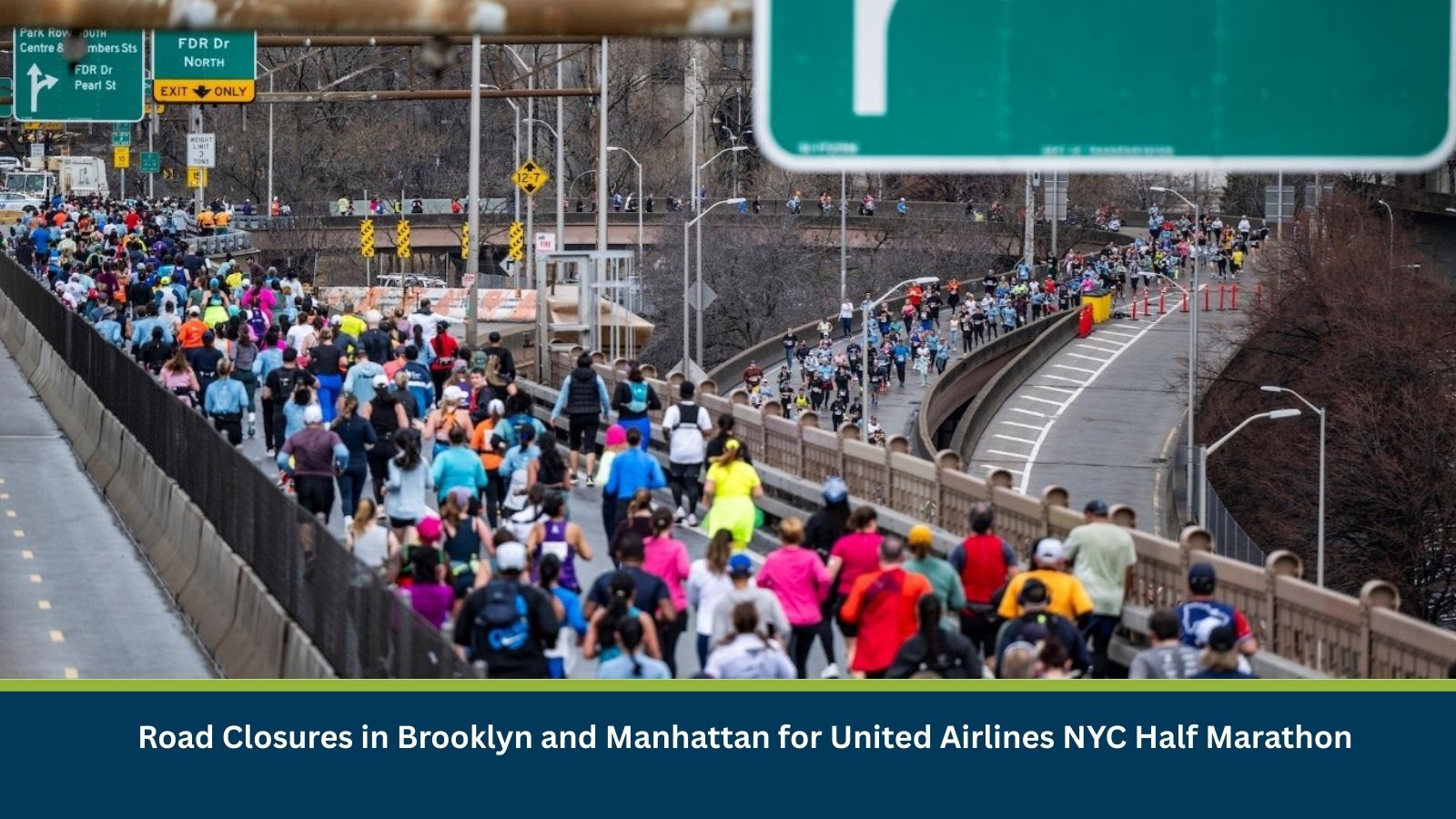
Executive Summary for the Road Closures in Brooklyn and Manhattan
The United Airlines NYC Half Marathon scheduled for 15 March will trigger planned road closures and traffic diversions across northern Brooklyn and lower-to-mid Manhattan. Operational controls are expected between 0500 and 1500 hours, with peak travel disruption likely during the race period from 0700 to 1300 hours. Authorities will deploy traffic management measures and event security personnel along the route. The closures are expected to cause moderate travel delays, subway crowding, and temporary access restrictions for businesses and residents near the race corridor. Although disruption will be short-term, organizations operating in affected districts should anticipate logistics adjustments and commuting delays.
- Date of Event: 15 March
- Location: Brooklyn and Manhattan, New York City, United States
- Risk Category: Travel Risks
- Severity Score: 3 / 5
- Confidence Level: 85 %
What is Risk Analysis in the Context of Travel Risks Events
Risk analysis in travel risk events examines disruptions affecting transportation networks, urban mobility, and access to critical infrastructure. These risks often emerge during major public events, infrastructure maintenance, or security operations that temporarily alter normal traffic patterns. In this case, the United Airlines NYC Half Marathon introduces planned road closures and mobility restrictions across parts of Brooklyn and Manhattan. Large-scale public sporting events typically require extensive coordination between municipal agencies, law enforcement, and transport operators to maintain public safety and event logistics. Historically, New York City Road races such as the NYC Half Marathon have resulted in predictable but significant traffic diversions, increased public transport demand, and restricted curb side access along race routes. While these events rarely cause infrastructure damage, they can temporarily disrupt commuter mobility, last-mile delivery operations, and access to commercial districts.
Known Hotspots and Sensitive Areas
High Impact:
- Brooklyn start-area streets near Cadman Plaza West and Tillary Street
- Brooklyn Heights and DUMBO commercial corridors
- Central Park South finish area and surrounding Manhattan streets
Medium Impact:
- Lower Manhattan near the Brooklyn Bridge entry points
- FDR Drive ramps and nearby arterial connections
Low Impact:
- Neighbourhoods outside the race corridor where only minor traffic spillover is expected
Mass participation road races in New York City regularly produce temporary congestion patterns concentrated around start and finish zones.
Impact on Transportation and Services
The most significant effect will be temporary road closures and reduced vehicle mobility along the race route. Drivers will be diverted onto alternate corridors such as local Brooklyn arterials and other Manhattan routes. Public transportation systems, particularly subway lines serving Brooklyn and Lower Manhattan, may experience increased ridership and station queuing. Ride-hailing services and taxis may face delays due to restricted curb access and roadblocks. Businesses within the race corridor could encounter limited delivery access, reduced customer footfall during peak hours, and short-term operational adjustments. Emergency medical teams stationed along the route may also temporarily affect traffic flows during medical response situations.
Recommended Actions
Immediate Actions:
- Encourage remote work or adjusted commuting schedules for employees traveling through affected corridors.
- Reschedule critical deliveries and logistics operations outside peak closure windows.
- Monitor official traffic advisories and transport updates issued by city authorities.
- Inform customers and suppliers of potential service delays in affected districts.
Strategic Measures:
- Develop event-day contingency routing for urban logistics operations.
- Establish internal communication plans for staff mobility disruptions.
- Coordinate with city transport authorities and local law enforcement for updated route guidance.
Multidimensional Impact
If severe weather, transit outages, or concurrent public events occur during the marathon weekend, combined disruptions could intensify traffic congestion and transit crowding across New York City. Such overlapping events historically increase pressure on subway networks and alternate road routes.
Emergency Contacts
- Emergency Services: 911
- New York City Department of Transportation traffic advisories: nyc.gov/html/dot/html/motorist/trafalrt.shtml
Final Thoughts
The United Airlines NYC Half Marathon represents a moderate travel risk event driven primarily by planned road closures and crowd management requirements. While disruptions will be temporary, traffic congestion, transit crowding, and delivery delays are likely during peak race hours. Businesses operating in Brooklyn and Manhattan should prioritize advance travel planning, flexible staffing arrangements, and clear stakeholder communication to minimize operational impact.
Stay ahead of operational risks with real-time alerts, scenario modelling, and expert advisories with datasurfr’s Predict. Start your 14-day free trial of Datasurfr’s Risk Intelligence Platform today.