





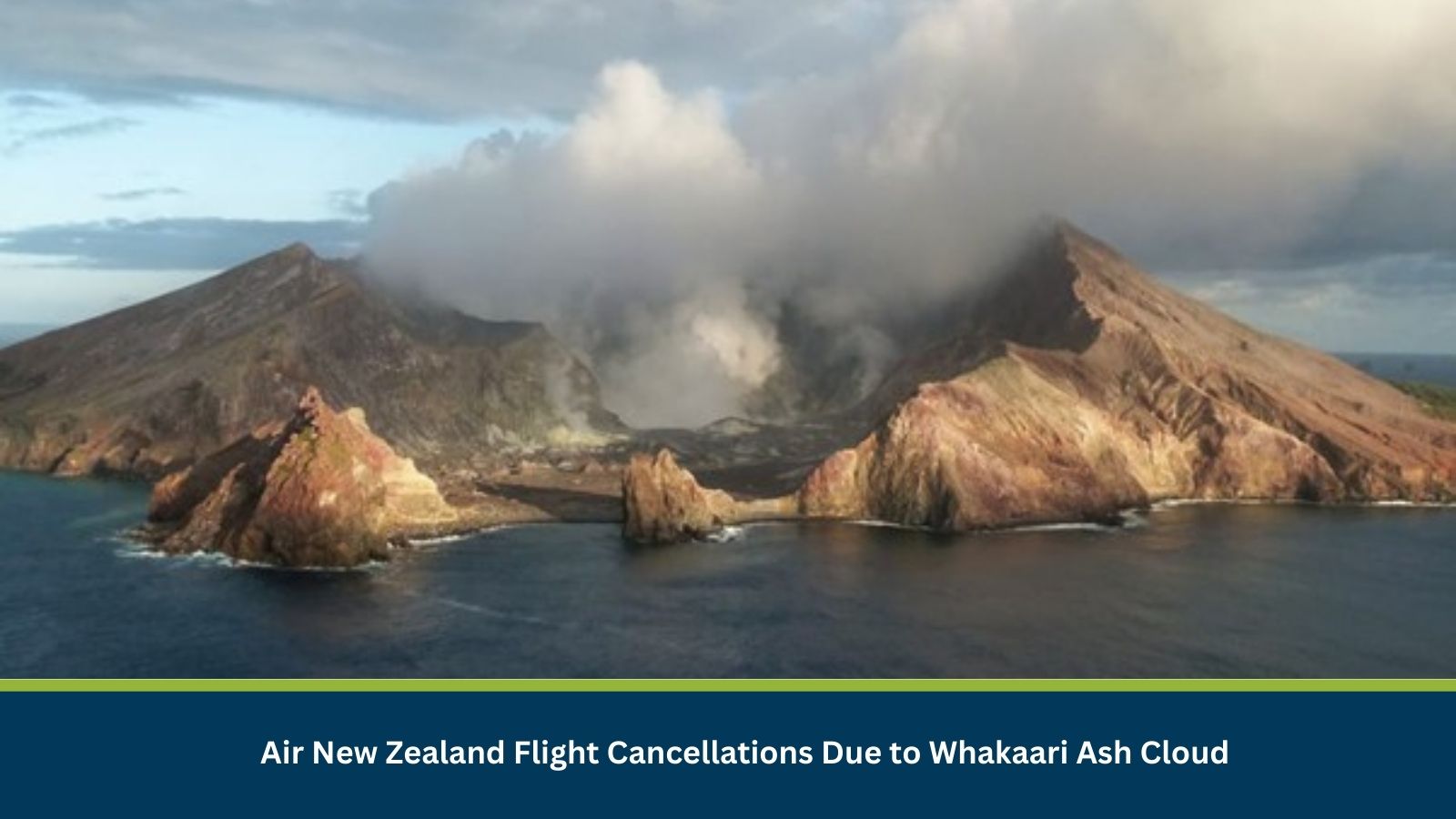
Executive Summary for the Flight Cancellations in New Zealand
On 12 March, Air New Zealand cancelled 19 flights due to an ash cloud emitted from Whakaari/White Island, affecting regional airspace in the Bay of Plenty area. Aviation authorities issued advisories and airlines suspended operations to nearby airports as a precautionary safety measure. Although volcanic ash events from Whakaari are typically short-lived, they can cause concentrated disruption to regional aviation, tourism activity, and time-sensitive logistics. Based on historical patterns, the most likely disruption window is 24–72 hours, with operational recovery expected once ash dispersion conditions improve.
- Event Date: 12 March
- Location: Whakaari, New Zealand
- Risk Category: Travel Risks
- Severity Level: 3 / 5
- Confidence Score: 70 %
What is Risk Analysis in the Context of Travel Risks Events
Risk analysis in travel risk events evaluates threats that disrupt the safe and efficient movement of people, goods, and transportation systems. These risks can arise from natural hazards, infrastructure failures, or regulatory restrictions affecting aviation, maritime, or road networks. In this case, the disruption stems from volcanic ash emissions from Whakaari/White Island, which pose a significant hazard to aircraft engines and aviation systems. Even low concentrations of ash can damage turbines, contaminate sensors, and reduce visibility. As a result, aviation authorities often impose immediate flight suspensions or rerouting to protect passenger safety. Historically, Whakaari has produced several ash events affecting regional airspace between 2019 and 2024. These events typically lead to temporary aviation disruptions lasting several hours to three days, with impacts concentrated around nearby regional airports and tourism hubs.
Known Hotspots and Sensitive Areas
High Impact:
- Whakaari / White Island volcanic area
- Regional airports serving the Bay of Plenty, including Tauranga and Whakatāne
Medium Impact:
- Coastal communities around Whakatāne and Ōpōtiki
- Regional tourism areas reliant on air travel access
Low Impact:
- Inland urban centres and regions outside the ash plume dispersion area
The Bay of Plenty region has previously experienced recurring aviation disruptions during volcanic ash events, particularly when prevailing winds direct ash toward regional air corridors.
Impact on Transportation and Services
The most immediate effect is air travel disruption, with cancelled or delayed flights affecting passengers, tourism operators, and corporate travel schedules. Regional airports dependent on short-haul routes may experience operational backlogs and increased rebooking activity. Supply chains reliant on time-sensitive air cargo could also face temporary delays, requiring rerouting through road transport or later flights. Road networks in the region may see increased traffic as stranded passengers seek alternative travel arrangements. Ash exposure also poses risks to aviation assets. Aircraft operating in affected airspace require additional maintenance inspections to prevent engine abrasion or contamination. However, significant infrastructure or telecommunications disruption is not commonly associated with short-duration ash events.
Recommended Actions
Immediate Actions:
- Monitor aviation advisories and volcanic ash dispersion forecasts closely.
- Suspend non-essential travel to affected airports until operations stabilize.
- Implement contingency plans for time-critical shipments or staff travel.
- Ensure health precautions for outdoor workers where ash exposure is possible.
Strategic Measures:
- Develop travel risk management plans addressing volcanic ash disruptions.
- Establish alternative logistics routes using road or sea transport.
- Maintain communication protocols with airlines, travel partners, and logistics providers.
Multidimensional Impact
No additional unrelated events have been reported that could amplify the current disruption. Secondary effects remain limited to tourism revenue losses and temporary passenger congestion in regional transport networks.
Emergency Contacts
- Emergency Services: 111
- Aviation and Weather Alerts: aviation.govt.nz/
Final Thoughts
The Whakaari ash emission event demonstrates how volcanic hazards can rapidly disrupt aviation operations even when the physical impact area is limited. While the baseline outlook suggests disruption will remain short-term, authorities and businesses should monitor developments closely over the next 24–72 hours. For organizations dependent on air travel or tourism flows, maintaining flexible logistics arrangements and proactive communication strategies will be essential.
Stay ahead of operational risks with real-time alerts, scenario modelling, and expert advisories with datasurfr’s Predict. Start your 14-day free trial of Datasurfr’s Risk Intelligence Platform today.