





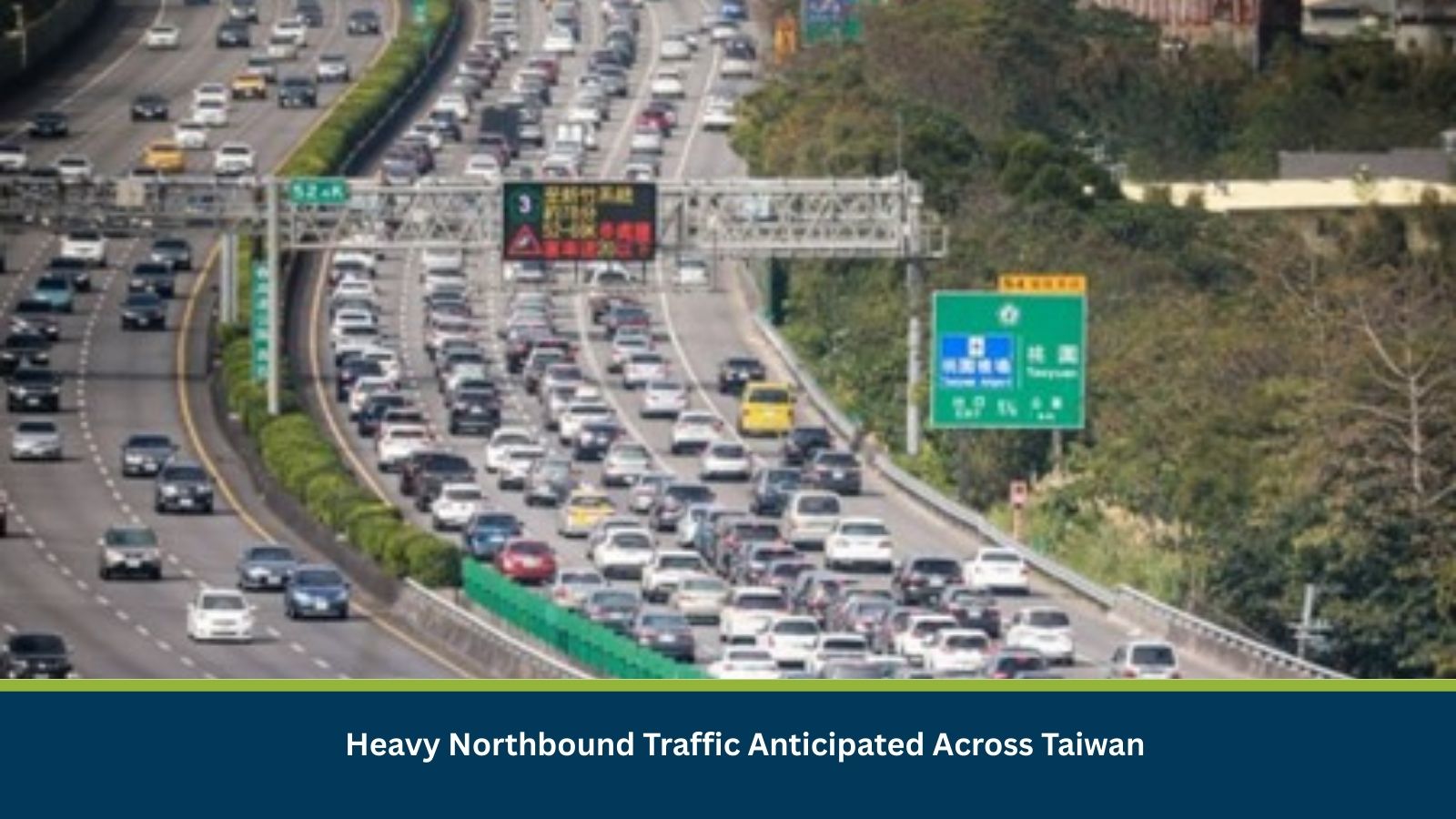
Executive Summary for the Heavy Traffic Anticipated in Taiwan
Heavy northbound traffic is anticipated across Taiwan on Friday, 20 February, driven by concentrated return flows toward northern metropolitan areas including Taipei, New Taipei and Keelung. The primary congestion window is expected between 1400–2300 hours. Impacts are projected to last nine to 10 hours, with residual delays possible into the following morning. The risk level is moderate, characterized by prolonged travel times, isolated collisions and freight delays rather than infrastructure failure.
- Date of Event: 20 February
- Location: Taiwan
- Risk Category: Travel Risks
- Severity Score: 3 / 5
- Confidence Level: 75 %
What is Risk Analysis in the Context of Travel Risks Events
Travel risk analysis evaluates disruptions to mobility networks, including highways, rail corridors and urban connectors, that may affect people safety and operational continuity. In Taiwan, concentrated northbound holiday-return flows routinely generate large-scale congestion on national freeways and provincial highways. Such peak-direction traffic events increase the likelihood of road accidents, secondary collisions and transport disruption, particularly during extended weekend or holiday return periods. Understanding these recurring patterns enables organizations to mitigate logistics delays, workforce disruption and road safety exposure.
Known Hotspots and Sensitive Areas
High Impact:
- National Freeway 1 and National Freeway 3 northbound segments
- Provincial Highway 1 and major connectors into Taipei and New Taipei
- Interchanges serving Banqiao, Sanchong and Keelung corridors
Medium Impact:
- Southern merge points near Pingtung–Kaohsiung junctions
- Urban arterial spillover routes approaching Taichung and Taipei
Low Impact:
- Rail and ferry routes, typically less affected unless compounded by incidents
Holiday-return congestion is a recurring seasonal risk, particularly during major public holidays and extended weekends.
Impact on Transportation and Services
Road freight and commuter mobility are expected to face delays of two to six hours on impacted corridors. Stop-and-go traffic conditions elevate collision risk and may necessitate short-duration lane closures. Increased demand for high-speed rail and intercity buses could lead to seat shortages. Businesses dependent on just-in-time delivery schedules may encounter shipment rescheduling, while customer-service channels may experience higher inquiry volumes.
Recommended Actions
Immediate Actions:
- Activate a traffic-day continuity plan and designate an operations lead.
- Stagger staff shifts by 30–90 minutes to avoid peak congestion.
- Reschedule time-sensitive deliveries outside the 1400–2300 hours window.
- Provide remote work flexibility and emergency contact updates.
Strategic Measures:
- Integrate real-time traffic monitoring into risk dashboards.
- Establish contingency routing and multimodal transport alternatives.
- Maintain telematics tracking and geofencing for fleet security.
- Coordinate with regional police and freeway authorities for updates.
Multidimensional Impact
Localized congestion may marginally affect emergency response times and logistics linked to unrelated regional events. Residual freight delays could influence subsequent intercity activities if not pre-managed.
Emergency Contacts
- Emergency Services (Police/Fire and Ambulance): 110/119
Final Thoughts
The anticipated northbound congestion on 20 February reflects a predictable, high-volume travel pattern with moderate operational risk. While systemic infrastructure failure is unlikely, prolonged delays and isolated incidents may disrupt supply chains and workforce mobility. Businesses should adopt proactive traffic management and contingency planning.
Stay ahead of operational risks with real-time alerts, scenario modelling, and expert advisories with datasurfr’s Predict. Start your 14-day free trial of Datasurfr’s Risk Intelligence Platform today.