





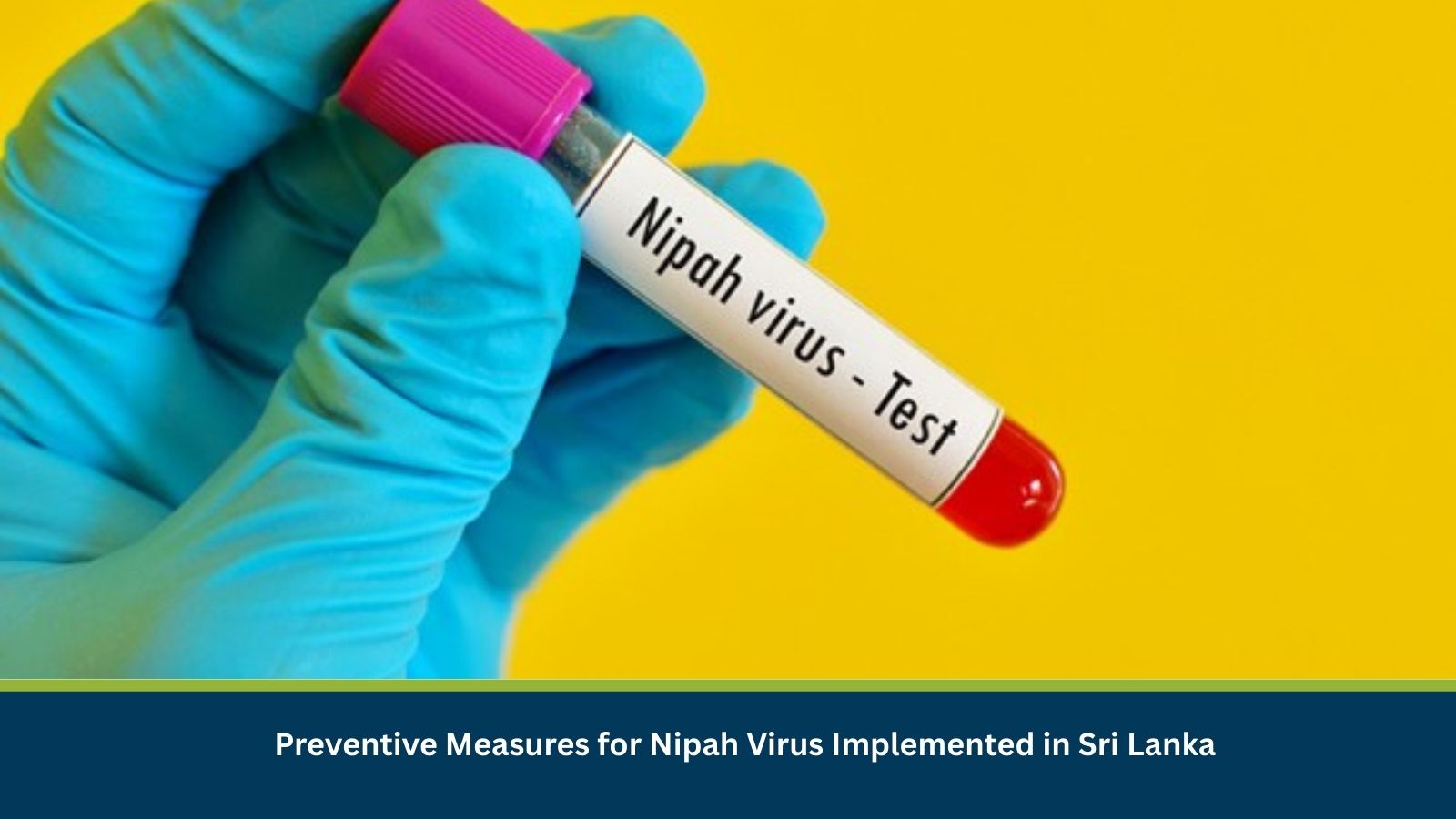
Executive Summary for the Preventive Health Measures in Sri Lanka
Sri Lankan authorities initiated preventive measures following a reported Nipah virus concern. Actions include airport screening, hospital isolation readiness and public health advisories. While no widespread community transmission has been reported, vigilance is required for the next two to four weeks during the incubation and contact-tracing period. The overall risk remains moderate, with localized operational implications.
- Date of Event: 11 February
- Location: Sri Lanka
- Risk Category: Health
- Severity Score: 3 / 5
- Confidence Level: 70 %
What is Risk Analysis in the Context of Health Events
Health risk analysis evaluates infectious disease threats that may affect public safety, healthcare capacity and economic stability. Nipah virus is a zoonotic disease historically associated with high case-fatality rates but limited transmission when early containment measures are implemented. Previous outbreaks demonstrate that rapid isolation, contact tracing and travel screening significantly reduce large-scale spread. Sri Lanka’s preventive posture reflects lessons learned from these regional precedents.
Current Updates
Authorities have implemented enhanced thermal screening at points of entry, activated hospital isolation protocols and issued advisories encouraging reporting of febrile encephalitic symptoms. Coordination with regional health bodies is ongoing. No confirmed large-scale outbreaks or fatalities in Sri Lanka have been reported in connection with this advisory.
Known Hotspots and Sensitive Areas
High Impact:
- Bandaranaike International Airport (Katunayake) screening zones
- National Hospital of Sri Lanka (Colombo)
- Teaching Hospital Kand
Medium Impact:
- Regional healthcare facilities designated for isolation
- Urban centres with high population density
Low Impact:
- Rural districts without reported suspected exposure
Historically, Nipah virus response efforts concentrate around hospitals and transport hubs rather than widespread geographic zones.
Impact on Transportation and Services
Airport thermal screening and health declarations may slow passenger processing at Bandaranaike International Airport. Limited localized checkpoints near hospitals may affect traffic flow. No mass transport shutdowns are reported. Tourism and hospitality sectors may experience short-term demand reduction due to public health concerns. Healthcare facilities may reallocate wards for isolation, temporarily affecting routine services.
Recommended Actions
Immediate Actions:
- Activate cross-functional incident response teams within organizations.
- Implement thermal screening and health declaration protocols at workplaces.
- Enforce PPE use and isolation procedures for symptomatic individuals.
Strategic Measures:
- Maintain remote work capability for administrative roles.
- Build two weeks of buffer inventory for critical supplies.
- Coordinate reporting with Sri Lankan health authorities and comply with public health directives.
Multidimensional Impact
Heightened public concern may affect tourism revenues and certain retail sectors. Misinformation risks may require proactive communication management. Critical infrastructure and utilities remain unaffected under current conditions.
Emergency Contacts
- Ministry of Health: health.gov.lk/
- Emergency Services (Police/Ambulance): 118/110
Final Thoughts
Sri Lanka’s early preventive measures position the situation as manageable, provided surveillance and contact tracing remain effective. The key watchpoints include confirmation of index cases and potential secondary transmission. Businesses should prioritize workforce health monitoring and operational resilience.
Stay ahead of operational risks with real-time alerts, scenario modeling, and expert advisories with datasurfr’s Predict. Start your 14-day free trial of Datasurfr’s Risk Intelligence Platform today.