





What is Risk Analysis in the Context of Travel Risks Events
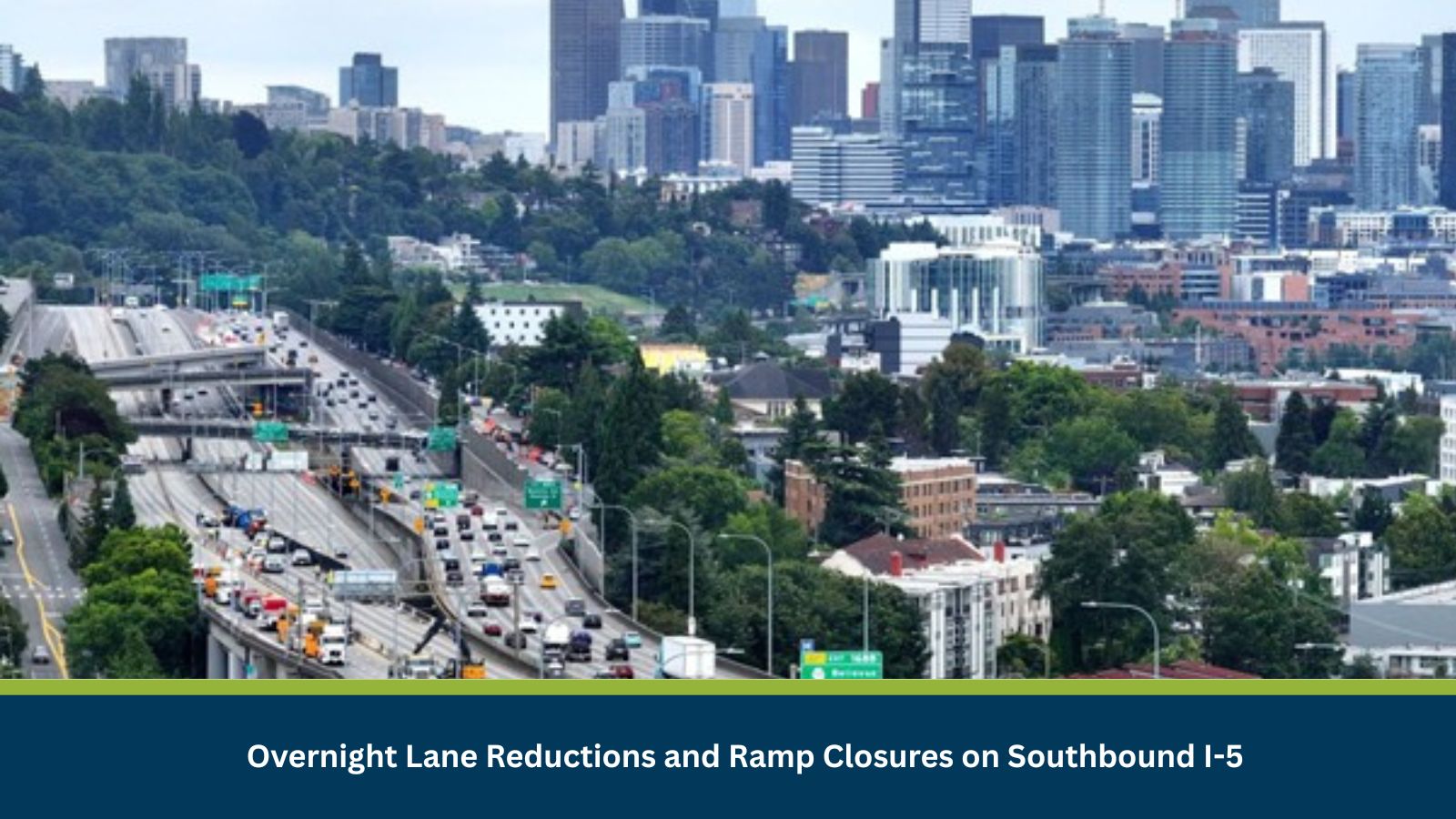
Travel risk analysis focuses on disruptions affecting mobility, commuter safety, logistics, and access to critical infrastructure. In urban centres, planned roadworks on major highways pose predictable but impactful risks. In this case, recurring overnight works on I-5 are relevant due to the corridor’s role as a primary north–south artery supporting commuter traffic, emergency services, and regional supply chains. Historically, similar projects around the Ship Canal Bridge have caused short-term congestion, rerouting pressure, and residual morning delays.
Executive Summary
- Date of Event: 20-23 January
- Location: Southbound I-5 near Ship Canal Bridge, Seattle, Washington, United States
- Risk Category: Travel Risks
- Severity Score: 3 / 5
- Confidence Level: 78 %
The Washington State Department of Transportation has announced overnight lane reductions and ramp closures on southbound I-5 near the Ship Canal Bridge through Friday, 23 January. Disruptions are expected primarily between 2100 and 0500 hours, with moderate residual congestion during early morning hours. Impacts are assessed as localized and time-bound, with moderate implications for commuters, freight operators, and businesses dependent on overnight transport.
Current Updates
WSDOT confirms that the closures are limited to southbound lanes and selected ramps, including Mercer Street and Boylston Avenue East connections. No full daytime closures are planned. Motorists are advised to use alternate routes such as State Route 99 and local arterials. The activity forms part of ongoing Ship Canal Bridge preservation works that have followed similar overnight schedules in recent weeks.
Known Hotspots and Sensitive Areas
High Impact:
- Ship Canal Bridge southbound lanes
- Mercer Street off-ramp and surrounding interchange
- Downtown Seattle southbound I-5 entry points
Medium Impact:
- Aurora Avenue / State Route 99 diversion corridors
- Denny Way and adjacent surface streets
Low Impact:
- Areas north of Lake Union with limited reliance on southbound I-5 overnight
The Ship Canal Bridge corridor experiences recurring overnight disruptions during maintenance seasons, making congestion patterns predictable but persistent.
Impact on Transportation and Services
Road transportation faces the most direct impact, with reduced capacity causing overnight delays and diversion pressure. Freight and courier services may experience delayed repositioning, leading to minor morning ripple effects. Public transport and digital services are largely unaffected, though employee commute reliability may be reduced for overnight and early-shift workers.
Recommended Actions
Immediate Actions:
- Defer non-essential southbound travel during overnight closure windows.
- Reroute logistics via I-405 or State Route 99 with additional time buffers.
- Communicate revised travel guidance to staff and drivers.
Strategic Measures:
- Coordinate with WSDOT traffic alerts and regional transport dashboards.
- Adjust delivery schedules and staffing shifts temporarily.
- Document delays for compliance, customer communication, and claims management.
Multidimensional Impact
The closures may marginally affect emergency response routing and early-morning business operations downtown. Interaction with unrelated public events is unlikely due to the overnight-only schedule.
Emergency Contacts
- Washington State Department of Transportation (WSDOT) traffic alerts: wsdot.wa.gov/
- Washington State Patrol: wsp.wa.gov/
- Emergency Number: 911
- Regional 511 traffic information system: 511.org/home
Final Thoughts
The risk trajectory indicates controlled, short-term disruption with a high likelihood of resolution within the announced window. Businesses and commuters should expect predictable overnight delays rather than severe escalation. Proactive route planning, clear communication, and continuous monitoring through preparedness platforms such as MitKat’s Datasurfr remain key to minimizing operational impact.
Stay ahead of operational risks with real-time alerts, scenario modeling, and expert advisories with datasurfr’s Predict. Start your 14-day free trial of Datasurfr’s Risk Intelligence Platform today.