





What is Risk Analysis in the Context of Travel Risk Events
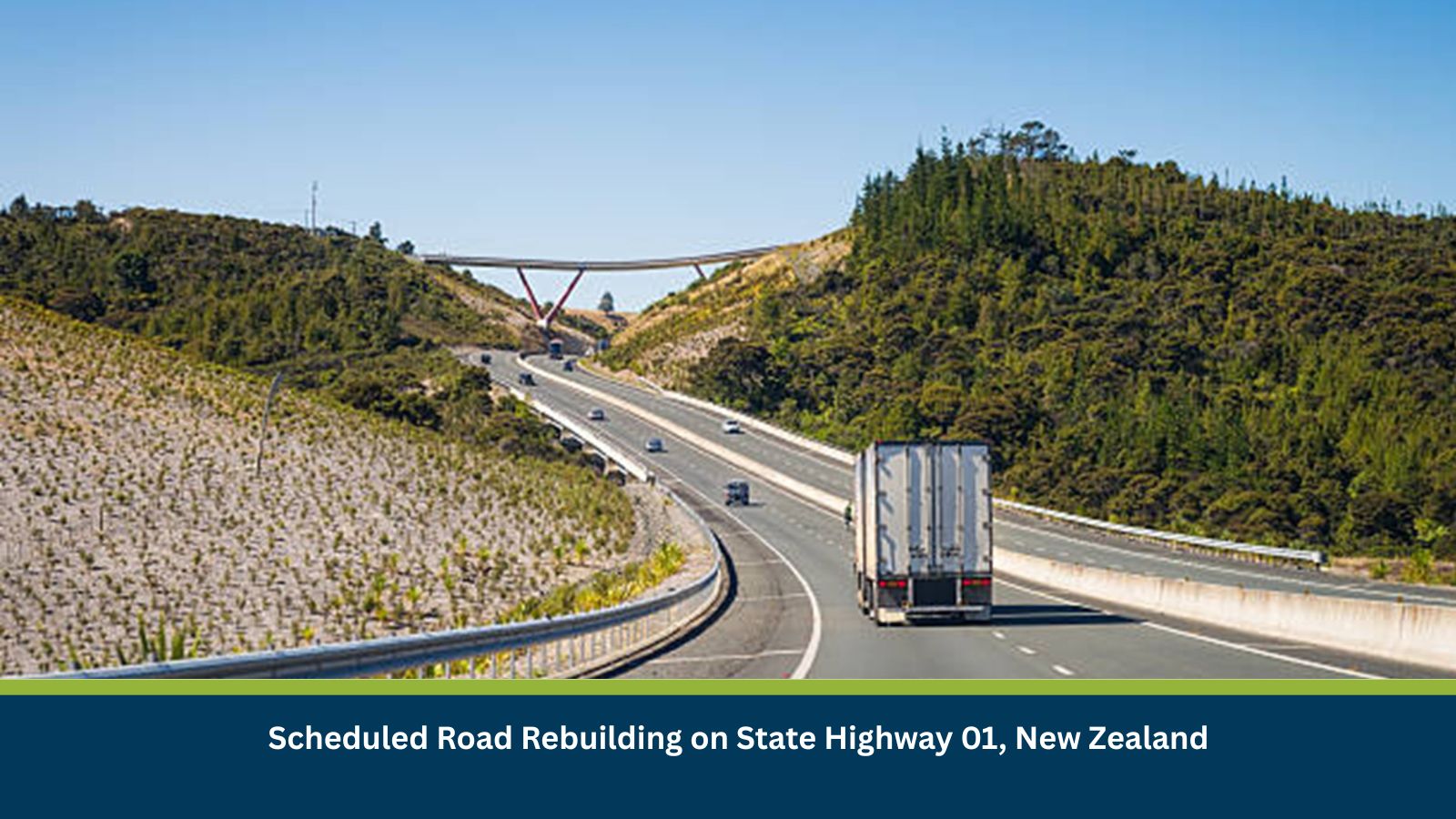
Travel risk analysis focuses on disruptions to mobility arising from infrastructure works, weather, accidents or regulatory actions. In this context, planned road rebuilding on SH01 represents an infrastructure-driven travel risk. SH01 is a critical arterial route in New Zealand’s North Island, and similar past works have repeatedly caused congestion, detours and secondary incidents, highlighting its regional importance.
Executive Summary
- Date of Event: 11 January
- Location: Taupo, Wairakei, Atiamuri, State Highway 01, New Zealand
- Risk Category: Travel Risks
- Severity Score: 3 / 5
- Confidence Level: 80 %
Waka Kotahi has scheduled rebuilding works on SH01 between 11 and 20 January. The event is expected to involve daytime lane restrictions and short-duration full closures. Impacts are likely to be localized but persistent throughout the works window, affecting commuter travel, freight movement and access to nearby communities.
Known Hotspots and Sensitive Areas
High Impact: SH01 corridor between Taupo, Wairakei and Atiamuri, including construction zones with lane shifts and stop/go controls where congestion and delays are most likely.
Medium Impact: Atiamuri turnoffs and Tokoroa–Kinleith connecting corridors, which may experience increased traffic volumes due to detours of up to 30–50 km during short full closures.
Low Impact: Wider regional road network outside the immediate works zone, where disruption is generally indirect and limited to traffic spillover.
Planned works on SH01 are recurrent during summer maintenance periods, with similar impacts recorded in previous years.
Impact on Transportation and Services
A Road transport will be the primary sector affected, with reduced capacity on SH01 leading to slower travel times and detours. Freight and logistics operators may experience delivery delays of 20–60 minutes or longer during peak works. Public transport and emergency services may require route adjustments, while businesses dependent on just-in-time deliveries could face operational inefficiencies.
Recommended Actions
- Organizations should adjust delivery schedules, reroute freight where feasible and build additional travel buffers into planning.
- Employers are advised to implement flexible work arrangements for affected staff.
- Asset managers near SH01 should secure sites and stage critical supplies in advance.
- Continuous coordination with Waka Kotahi and monitoring of official traffic advisories is recommended.
Multidimensional Impact
Reduced network redundancy during the works period could amplify disruption if unrelated incidents, such as crashes or adverse weather, occur concurrently on adjacent highways.
Emergency Contacts
- Emergency Services (New Zealand): 111
- Waka Kotahi Journeys: journeys.nzta.govt.nz/journey-planner
Final Thoughts
The risk trajectory points to moderate but manageable disruption concentrated within the 11–20 January window. Businesses and logistics operators should prioritize early planning and communication. Leveraging real-time monitoring and preparedness tools such as MitKat’s Datasurfr can enhance situational awareness and support continuity during planned travel disruptions. Stay ahead of operational risks with real-time alerts, scenario modeling, and expert advisories with datasurfr’s Predict. Start your 14-day free trial of Datasurfr’s Risk Intelligence Platform today.