





What is Risk Analysis in the Context of Travel Risk Events
Travel risk analysis focuses on threats that disrupt the movement of people, goods and services across transport networks. These risks may arise from weather events, security incidents or infrastructure constraints. In this case, winter snowfall directly affects airport operations, crew availability and network resilience. Schiphol has a well-documented history of multi-day disruption during severe winter conditions, making proactive travel risk assessment critical for airlines, businesses and passengers operating through major hub airports.
Executive Summary
- Date of Event: 05 January
- Location: Amsterdam Schiphol Airport, Netherlands
- Risk Category: Travel Risks
- Severity Score: 4/ 5
- Confidence Level: 78 %
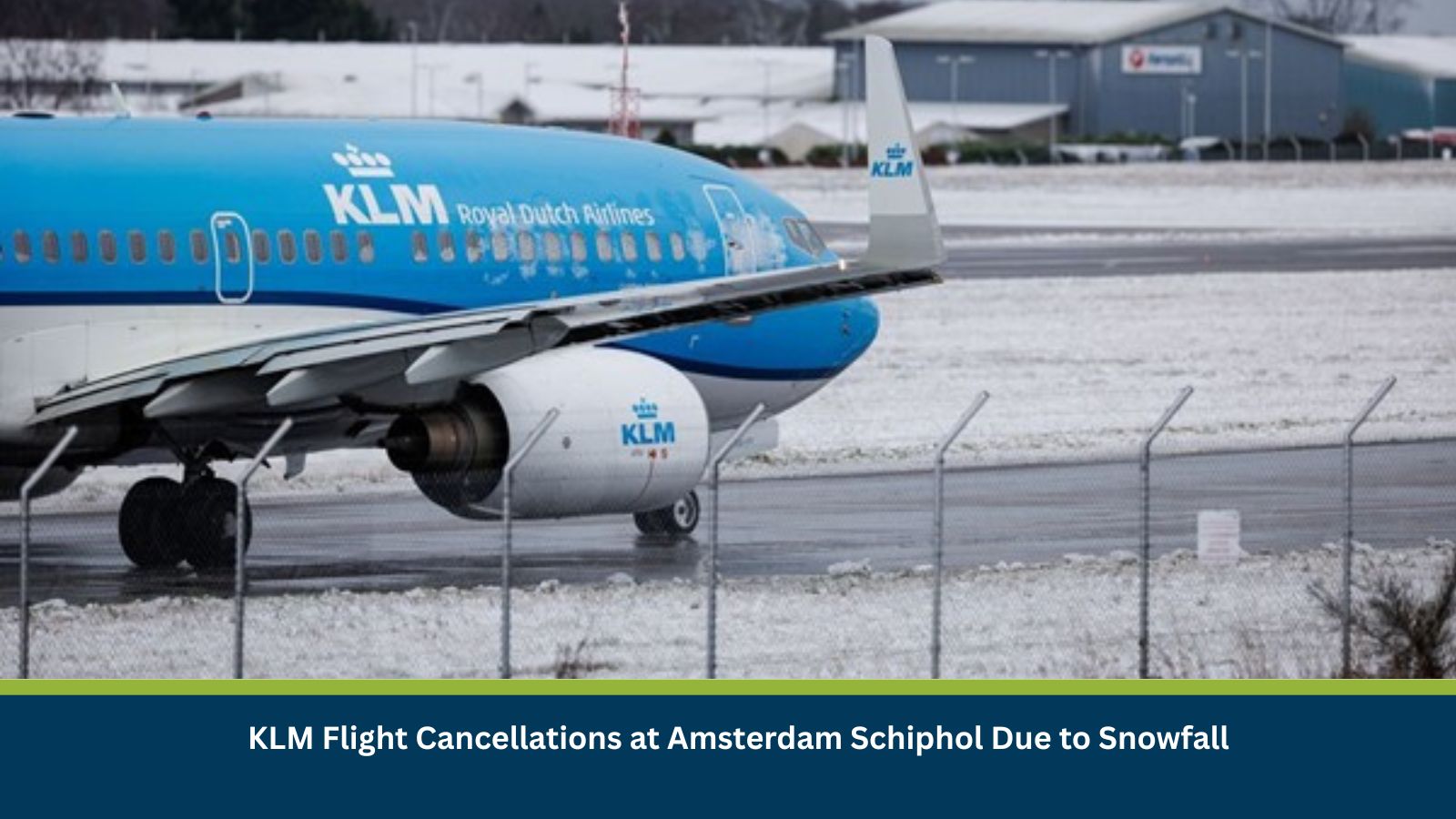
KLM cancelled 124 flights on 05 January due to snowfall impacting runway availability, de-icing capacity and staffing. This followed multiple days of earlier cancellations in the same week, indicating a high likelihood of cascading disruption. The primary impact window is 24–72 hours, with residual schedule instability possible for up to seven days as aircraft and crews are repositioned across the network.
Current Updates
Operations at Amsterdam Schiphol remain constrained by snowfall and winter operating conditions. Airlines are proactively cancelling flights to prevent uncontrolled delays, while airport authorities prioritize runway clearance and apron safety. No major injuries or utility failures have been reported, but passenger re-accommodation and cargo prioritisation remain ongoing operational challenges.
Known Hotspots and Sensitive Areas
High Impact: Schiphol terminal complex, runways, aprons and the Schiphol Cargo Centre, where de-icing and slot constraints are concentrated.
Medium Impact: Ground transport interfaces including Schiphol railway station and access roads linking to the A4 and A9 corridors.
Low Impact: Wider Amsterdam metropolitan areas not directly dependent on airport access.
Seasonal recurrence is notable, with early January historically associated with repeated winter-weather disruptions at Schiphol.
Impact on Transportation and Services
Air travel is the primary mode affected, with large-scale flight cancellations and delays disrupting passenger itineraries and airline schedules. Knock-on effects include congestion on rail and road links serving the airport, increased demand on customer service systems, and delays to time-critical air cargo. Businesses reliant on just-in-time deliveries or executive travel face moderate to high continuity challenges.
Recommended Actions
- Organizations should activate winter travel contingency plans, including flexible travel policies, remote work enablement and alternative routing through less-affected hubs.
- Airlines and logistics operators should prioritise critical passengers and cargo, maintain clear communications and document disruption costs.
- Longer-term measures include diversifying hub reliance, strengthening supplier SLAs and enhancing winter resilience planning with aviation authorities and airport operators.
Multidimensional Impact
Extended snowfall warnings and broader winter weather advisories increase the likelihood of prolonged disruption. Repeated cancellations elevate compensation exposure, reputational risk and regulatory scrutiny, while concurrent national incidents may strain public communication and emergency response capacity.
Emergency Contacts
- Amsterdam Schiphol Airport Operations Centre: schiphol.nl/en/apoc/
- Weather Alerts: knmi.nl
- Emergency Services: 112
Final Thoughts
The Schiphol snowfall disruption reflects a moderate-to-high travel risk with a clear potential for cascading impacts across Europe’s aviation network. Continued monitoring of weather conditions and operational recovery is essential. Businesses and policymakers should reinforce early-warning mechanisms and preparedness platforms such as MitKat’s Datasurfr to improve resilience against recurrent winter travel disruptions.
Stay ahead of operational risks with real-time alerts, scenario modeling, and expert advisories with datasurfr’s Predict. Start your 14-day free trial of Datasurfr’s Risk Intelligence Platform today.