





What is Risk Analysis in the Context of Natural Disaster Events
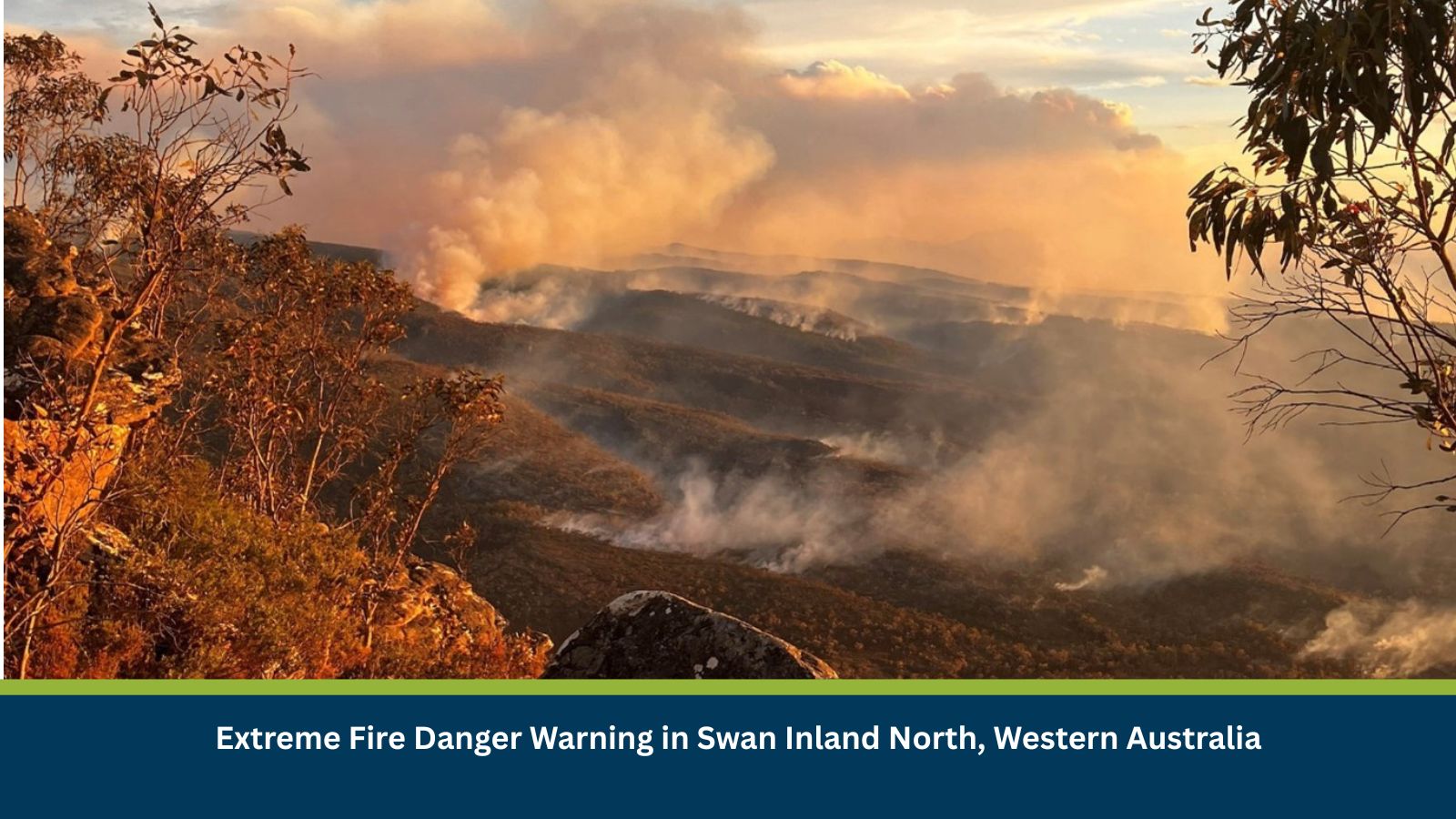
Risk analysis in natural disaster contexts assesses the likelihood, severity and cascading impacts of hazards such as bushfires, floods or storms. For bushfire events, it focuses on meteorological triggers, fuel availability, exposure of people and assets, and response capacity. In Western Australia, extreme fire danger events are seasonally recurrent during summer and have historically resulted in property loss, evacuations and infrastructure disruption, particularly along the Swan and Perth fringe.
Executive Summary
- Date of Event: 03 January
- Location: Swan Inland North, Swan, Western Australia, Australia
- Risk Category: Natural Disasters
- Severity Score: 4 / 5
- Confidence Level: 78 %
The Bureau of Meteorology issued an Extreme Fire Danger Warning for Swan Inland North on 03 January, reflecting conditions conducive to rapid bushfire ignition and spread. Historical incidents in Bullsbrook and Upper Swan indicate a high likelihood of fast-moving grass and scrub fires threatening urban-fringe communities, transport corridors and utilities. Peak risk is assessed over a 24–72 hour window, with elevated vigilance required for several days thereafter.
Current Updates
BOM warnings classify conditions as extreme, with emergency services and volunteer brigades on elevated readiness. While no evacuation orders were issued at publication, residents in interface suburbs have been advised to monitor DFES alerts closely and prepare for rapid response should conditions escalate.
Known Hotspots and Sensitive Areas
High Impact: Bullsbrook, Upper Swan and surrounding rural-residential properties, where vegetation interfaces closely with housing and light-industrial assets.
Medium Impact: Areas near Gnangara Pine Plantation, Swan River corridor and transport routes connecting to northern Perth.
Low Impact: More densely urbanised areas with limited adjacent fuels.
These locations face seasonal recurrence during summer heat and wind events, with historical precedents of rapid fire spread and ember attack.
Impact on Transportation and Services
Bushfire activity may result in temporary road closures and detours on Great Northern Highway, Lord Street and local access roads, disrupting commuter and freight movement. Smoke can reduce visibility and air quality, potentially affecting public transport and, in severe cases, aviation operations near Perth. Utility services face localized risks from damage to overhead power lines, causing short-term outages that affect households and small businesses.
Recommended Actions
- Immediate actions include activating fire response and evacuation readiness plans, suspending non-essential outdoor work, and securing flammable materials and critical assets.
- Businesses should prepare for remote work arrangements, reroute logistics away from high-risk zones, and issue timely communications to staff and customers.
- Strategically, organisations should strengthen bushfire preparedness, maintain liaison with DFES, BOM and local councils, and integrate early-warning intelligence tools into continuity planning.
Multidimensional Impact
Concurrent bushfire risk may compound existing transport pressures or divert emergency resources, increasing response times and congestion on alternate routes during peak summer travel periods.
Emergency Contacts
- Emergency Services: 000 (Fire, Police, Ambulance)
- DFES WA: dfes.wa.gov.au/
- Bureau of Meteorology: bom.gov.au/
Final Thoughts
The Extreme Fire Danger Warning for Swan Inland North represents a high-severity but time-bound risk with potential for rapid escalation. Continuous monitoring of weather conditions, DFES advisories and on-ground fire activity is essential. Businesses and policymakers should prioritise preparedness, rapid communication and early-warning systems, including intelligence platforms such as MitKat’s Datasurfr, to reduce exposure and enhance resilience during peak bushfire season.
Stay ahead of operational risks with real-time alerts, scenario modeling, and expert advisories with datasurfr’s Predict. Start your 14-day free trial of Datasurfr’s Risk Intelligence Platform today.