





What is Risk Analysis in the Context of Travel Risk Events
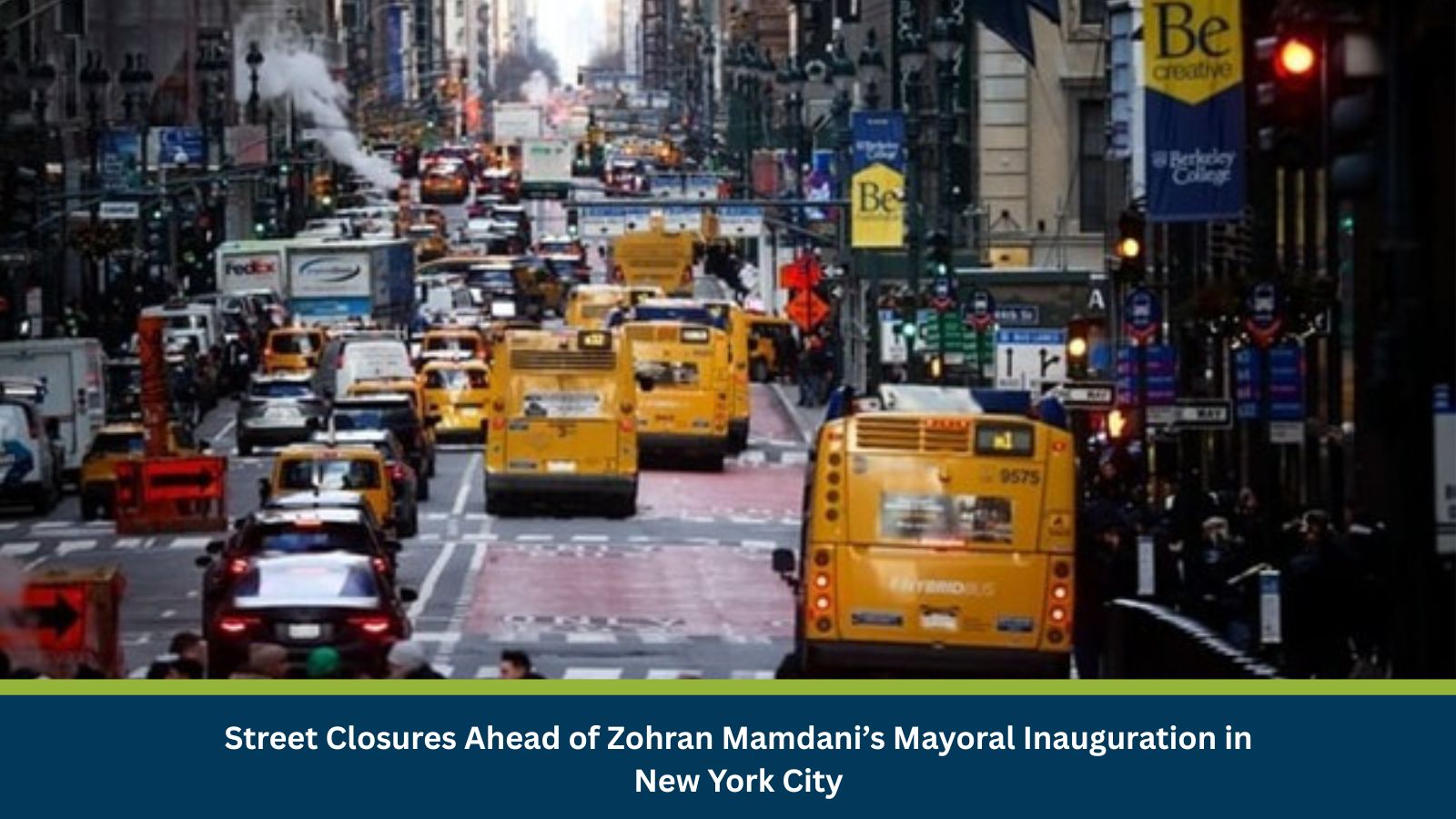
Travel risk analysis assesses disruptions to mobility arising from planned or unplanned events that affect transport networks, access to locations, and the safe movement of people and goods. In this case, the risk stems from planned civic event security measures. Historically, large political and ceremonial events in New York City regularly trigger predictable travel disruption patterns, particularly in Manhattan, requiring proactive continuity planning.
Executive Summary
- Date of Event: 01 January
- Location: New York City, New York, United States
- Risk Category: Travel Risks
- Severity Score: 3 / 5
- Confidence Level: 80 %
Zohran Mamdani’s mayoral inauguration will result in scheduled street closures, security checkpoints, and traffic rerouting across lower Manhattan, with possible spillover into midtown corridors. The highest disruption window is expected over 12–18 hours on the day, with secondary impacts to travel and business operations extending up to 72 hours. While security arrangements are expected to be well managed, concentrated access restrictions, holiday travel demand, and potential adverse winter weather elevate operational risk for organizations dependent on Manhattan access.
Current Updates
Local authorities have confirmed planned street closures and security measures around City Hall and adjacent areas. NYPD and DOT advisories are expected to formalize exclusion zones and transit detours. Increased crowd activity linked to celebratory gatherings has been reported, though no credible violent threats are identified. Weather conditions remain a variable that could extend or intensify disruption.
Known Hotspots and Sensitive Areas
High Impact: City Hall, City Hall Park, Foley Square, Centre Street, Chambers Street, Broadway corridors in lower Manhattan, and nearby subway hubs such as Brooklyn Bridge–City Hall.
Medium Impact: Transit routes and arterial roads used for motorcade movement through midtown Manhattan.
Low Impact: Outer borough commercial districts with limited security overlap.
These zones have a history of recurring access restrictions during inaugurations, UNGA sessions, and high-profile civic events.
Impact on Transportation and Services
Road closures will restrict private vehicles, taxis, and delivery access within security perimeters. MTA bus routes will be rerouted, and subway stations in lower Manhattan may experience crowding or temporary access controls. Business operations may face delayed staff arrivals, postponed client meetings, and last-mile delivery disruptions. Digital services are expected to remain stable, though cellular congestion may occur during peak periods.
Recommended Actions
- Organizations should implement flexible work arrangements, defer non-essential travel, and pre-authorize remote operations for affected staff.
- Logistics teams should reroute deliveries to alternate staging points outside closure zones.
- Coordination with local authorities, NYPD advisories, and real-time transport dashboards is recommended to maintain situational awareness.
Multidimensional Impact
Holiday travel volumes, potential demonstrations, and winter weather could compound congestion and emergency response demand, increasing strain on transport and healthcare services beyond the immediate event footprint.
Emergency Contacts
- Emergency Services: 911
- NYC DOT Traffic Updates: @NYC_DOT (X)
- MTA Service Alerts: mta.info/
Final Thoughts
The inauguration-related street closures represent a moderate, well-signposted travel risk with predictable patterns. Proactive planning, clear communication, and use of early-warning and monitoring tools such as MitKat’s Datasurfr can significantly reduce disruption, protect workforce safety, and maintain business continuity during this high-visibility civic event.
Stay ahead of operational risks with real-time alerts, scenario modeling, and expert advisories with datasurfr’s Predict. Start your 14-day free trial of Datasurfr’s Risk Intelligence Platform today.