





What is Risk Analysis in the Context of Environmental Events
Environmental risk analysis evaluates hazards arising from natural conditions such as extreme weather, wildfires, floods, and heatwaves. In the current context, wildfire risk analysis focuses on ignition likelihood, fire spread potential, exposure of populations and assets, and cascading impacts on infrastructure and services. South Africa’s Western and Northern Cape regions have a well-documented history of severe wildfires during summer months, making early assessment critical for preparedness and mitigation.
Executive Summary
- Date of Event: 31 December
- Location: Western Cape and Northern Cape, South Africa
- Risk Category: Environment
- Severity Score: 4 / 5
- Confidence Level: 75 %
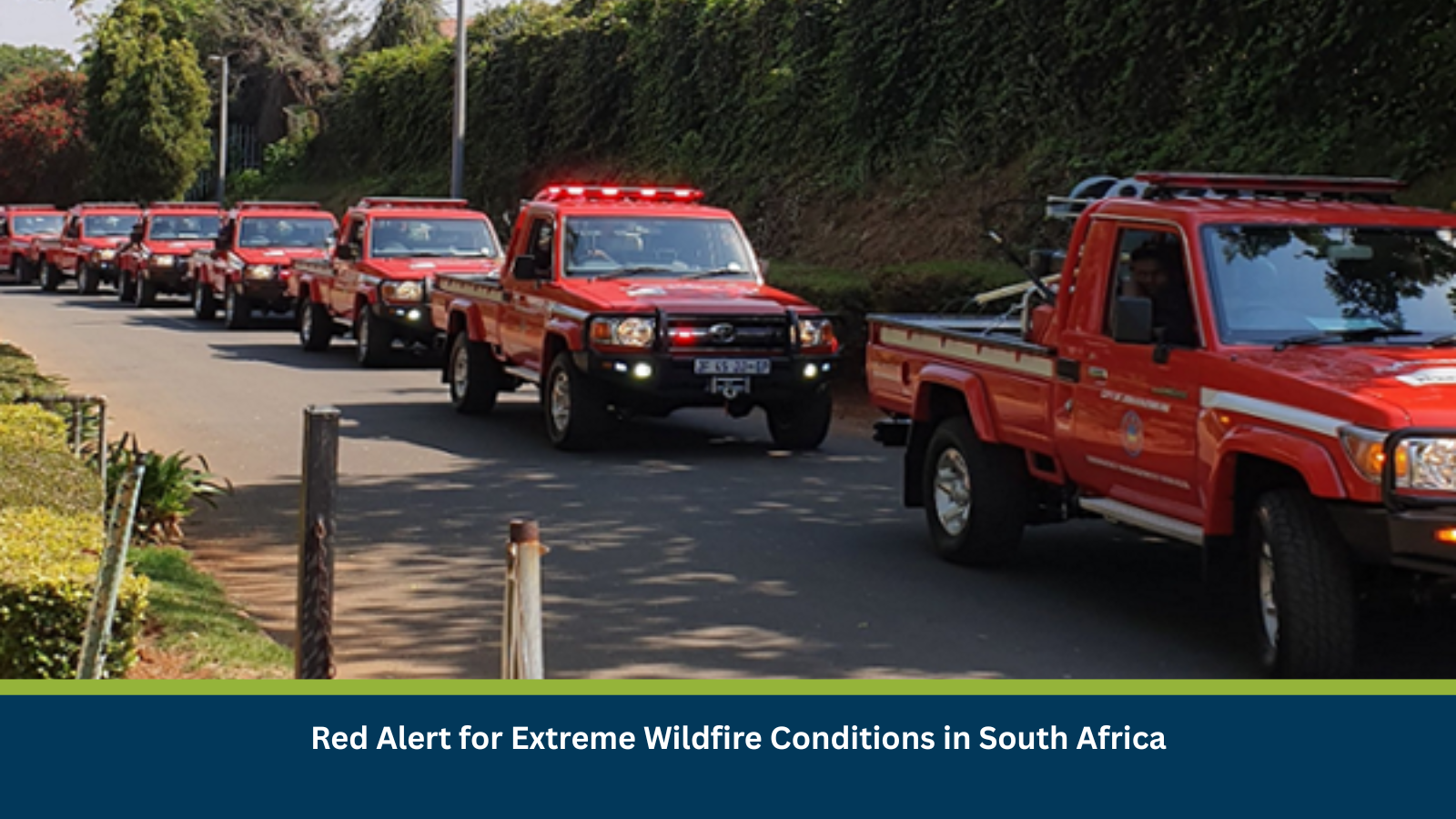
A red-level wildfire alert has been issued due to extreme fire weather conditions driven by hot, dry air, very low humidity, and strong winds. The highest risk window is expected over the next 24–72 hours, with elevated threat levels potentially persisting for up to seven days. Rapid fire spread, ember attacks, and multiple ignition points are likely, particularly near transport corridors and peri-urban settlements, posing high risks to lives, assets, and critical infrastructure.
Current Updates
Weather authorities have confirmed Fire Danger Index values exceeding critical thresholds across parts of the Western and Northern Cape. Municipal fire services and volunteer brigades are on heightened standby. While no consolidated casualty figures have been reported, localized fire incidents in Karoo and inland districts align with historical patterns observed during previous red alert warnings.
Known Hotspots and Sensitive Areas
High Impact: Beaufort West, Prince Albert, Laingsburg hinterlands, inland Karoo districts, and Garden Route fynbos interfaces near Knysna and George
Medium Impact: Rural settlements and farming zones along the N1, N9, and R62 corridors, including Uniondale and Willowmore.
Low Impact: Coastal urban centres with lower wind exposure and higher firefighting capacity.
These regions experience recurrent seasonal wildfire risk during summer due to dry vegetation, strong winds, and limited suppression access in rural terrain.
Impact on Transportation and Services
Wildfires may force closures of major highways including the N1, N9, and R62, disrupting freight movement and emergency access. Smoke-related visibility reductions can affect regional air operations and bus services. Power distribution, telecommunications, tourism activities, and agricultural operations may experience intermittent outages or suspensions, affecting both local communities and business operations.
Recommended Actions
Immediate: Suspend non-essential outdoor activities, activate evacuation and shelter plans, and enforce remote work where feasible.
Operational: Secure fuel, gas, and flammable materials; protect substations and communication assets; pre-position firefighting and medical resources.
Strategic: Coordinate closely with WeatherSA alerts, municipal disaster management centres, fire brigades, and law enforcement; integrate wildfire risk into business continuity and insurance planning.
Multidimensional Impact
Wildfire conditions may amplify existing vulnerabilities in rural supply chains, tourism revenue, and agricultural productivity. Prolonged road closures and smoke exposure can compound economic losses and strain emergency response capabilities.
Emergency Contacts
- Emergency Services: 112
- Fire and Rescue Services: 10111
- Weather Alerts: weathersa.co.za/
Final Thoughts
The current red alert indicates a high-probability, high-impact wildfire scenario with potential escalation if adverse conditions persist. Continuous monitoring, rapid response, and proactive coordination are essential to limit loss of life and assets. Businesses and authorities should leverage early-warning systems and preparedness platforms such as MitKat’s Datasurfr to strengthen situational awareness and response effectiveness during this critical period.
Stay ahead of operational risks with real-time alerts, scenario modeling, and expert advisories with datasurfr’s Predict. Start your 14-day free trial of Datasurfr’s Risk Intelligence Platform today.