





What is Risk Analysis in the Context of Health Events
Health risk analysis evaluates biological threats such as infectious disease outbreaks that can affect human safety, animal health, economic activity and public confidence. In the case of avian influenza, risks extend beyond public health to livestock assets, food supply chains and regulatory compliance. Kerala has experienced recurring avian influenza clusters between 2023 and 2025, making early detection, containment and continuity planning particularly relevant for affected districts.
Executive Summary
- Date of Event: 26 December
- Location: Alappuzha and Kottayam districts, Kerala, India
- Risk Category: Health
- Severity Score: 3 / 5
- Confidence Level: 78 %
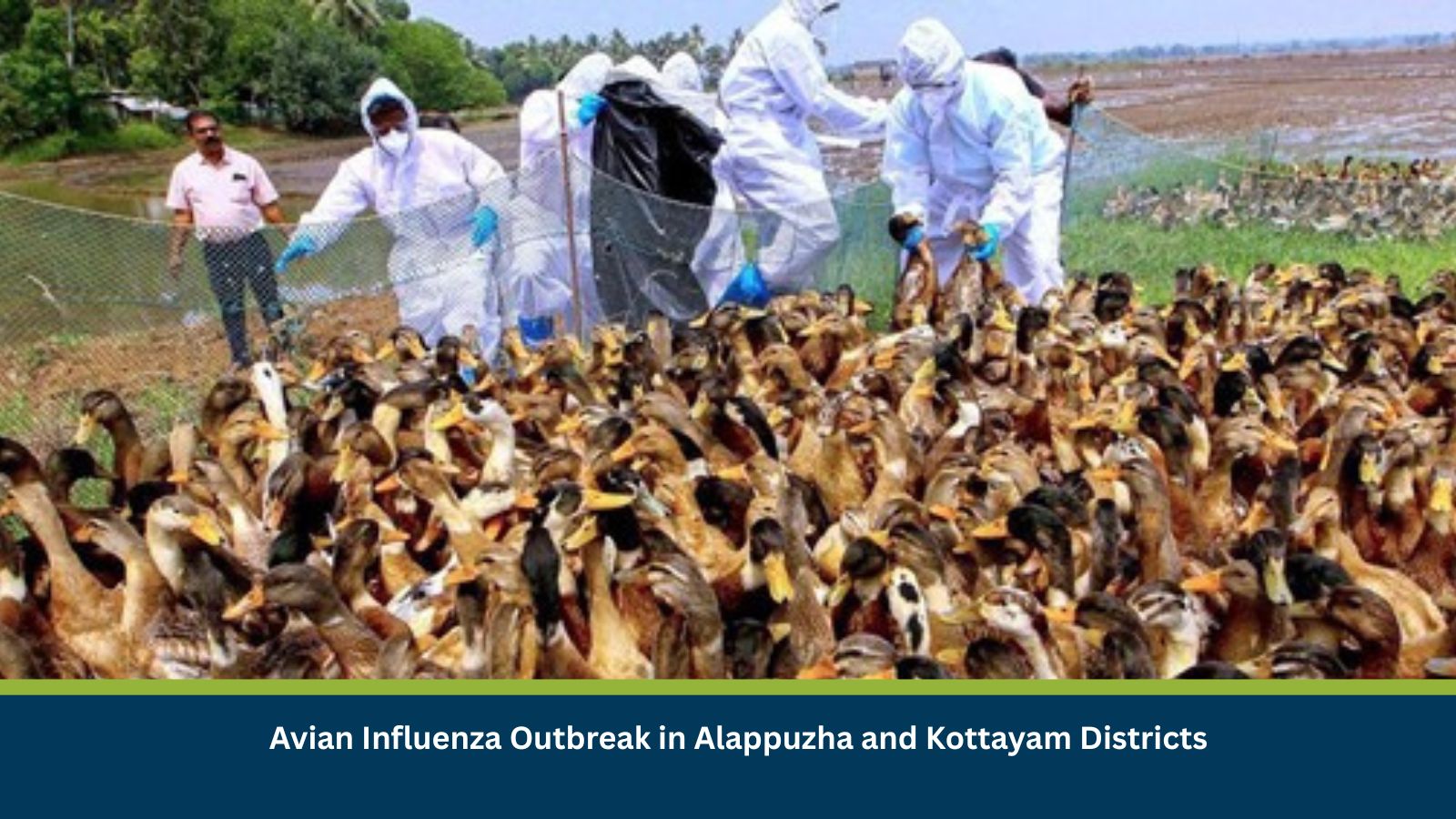
Avian influenza has been confirmed in parts of Alappuzha and Kottayam, triggering surveillance, culling and movement controls. Based on historical response patterns in these districts, containment measures are expected to remain in force for two to six weeks, with extended monitoring thereafter. Severity is assessed as moderate, reflecting significant economic impact on poultry and duck farming but a low likelihood of sustained human transmission. Confidence is moderately high due to established veterinary response protocols, although risks of secondary spread via wetlands and informal trade persist.
Known Hotspots and Sensitive Areas
High Impact:
- Cherthala taluk and Kuttanad wetland belt in Alappuzha, characterised by dense duck populations.
- Identified poultry farm clusters in Kottayam district, including areas near Manjery.
Medium Impact:
- Surrounding panchayats within surveillance and movement-restriction rings.
- Local wet markets and poultry trading hubs.
Low Impact:
- Wider district areas outside containment rings.
These areas show repeated seasonal recurrence, particularly during winter migratory periods for waterfowl.
Impact on Transportation and Services
Transportation impacts are expected to be localised. Checkpoints and restrictions on live-bird movement may slow access on minor roads leading to affected panchayats, while major highways such as NH66 are likely to remain operational. Poultry supply chains, cold storage, wet markets and small processors will face immediate disruption. Business operations dependent on local poultry sourcing may experience short-term shortages and workforce absenteeism due to containment measures.
Recommended Actions
Immediate Measures:
- Suspend sourcing and transport of poultry products from affected zones.
- Enforce employee health screening and provide PPE for staff with potential exposure.
- Secure livestock-related assets and segregate existing inventory pending clearance.
Strategic Measures:
- Activate incident response and business continuity plans for a minimum two-week window.
- Coordinate closely with state animal husbandry, health departments and district authorities.
- Diversify suppliers outside affected districts and document actions for regulatory and compensation processes.
Multidimensional Impact
Localized economic stress on farming communities and potential community tensions around culling and compensation are likely. Overlap with local election preparations in January could complicate logistics if containment zones intersect polling areas, though large-scale disruption is unlikely.
Emergency Contacts
- Emergency Services: 112
- Kerala State Disaster Management Authority (KSDMA): sdma.kerala.gov.in/
- Department of Animal Husbandry, Kerala: ahd.kerala.gov.in/
Final Thoughts
The outbreak is likely to follow a familiar containment trajectory, with moderate but manageable impacts if controls are enforced swiftly. Continuous monitoring of secondary clusters and supply-chain stress points is essential. For businesses and policymakers, early-warning intelligence and preparedness tools such as MitKat’s Datasurfr remain critical to mitigating health risks, economic loss and reputational exposure during recurring avian influenza events.
Stay ahead of operational risks with real-time alerts, scenario modeling, and expert advisories with datasurfr’s Predict. Start your 14-day free trial of Datasurfr’s Risk Intelligence Platform today.