





What is Risk Analysis in the Context of Travel Risks Events
Travel risk analysis focuses on disruptions that affect the movement of people, goods and services, including rail cancellations, infrastructure works and transport network congestion. In major urban centres such as London, planned weekend engineering works regularly create localized but material impacts on commuter flows, retail access and last-mile logistics. Analysing these risks helps organisations anticipate delays, protect workforce safety and maintain business continuity during predictable transport interruptions.
Executive Summary
- Date of Event: 14 December
- Location: Lewisham and Greenwich, London, United Kingdom
- Risk Category: Travel Risks
- Severity Score: 3 / 5
- Confidence Level: 78 %
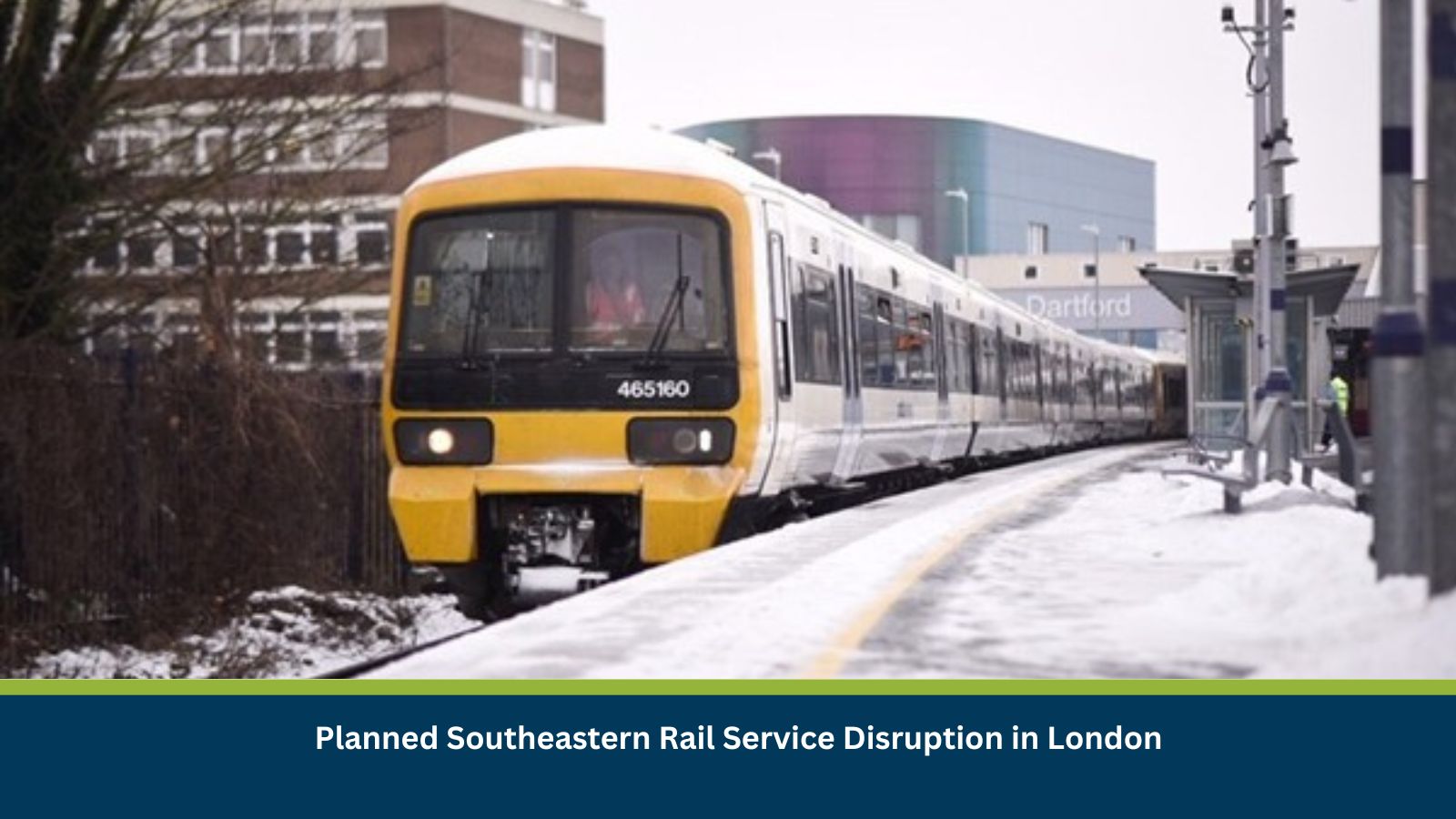
Southeastern has scheduled service cancellations affecting Lewisham and Greenwich on Sunday, 14 December. Disruption is expected from early morning through late evening, with replacement buses and increased reliance on alternative modes. Severity is assessed as moderate, driven by commuter displacement, congestion at interchanges and knock-on impacts to local commerce and services.
Known Hotspots and Sensitive Areas
High Impact:
- Lewisham town centre, including Lewisham Station and surrounding bus corridors.
- Greenwich town centre, Greenwich Station, market area and Cutty Sark vicinity.
Medium Impact:
- Deptford and New Cross approach roads.
- Interchange hubs connecting to DLR, Overground and Thameslink services.
Low Impact:
- Residential neighbourhoods further from rail stations.
These locations frequently experience elevated congestion during weekend rail works, with recurrence highest during winter engineering periods.
Impact on Transportation and Services
Rail services through Lewisham and Greenwich will be cancelled or significantly reduced, pushing passengers onto replacement buses, DLR, London Overground and local bus routes. Road congestion is likely on key corridors, increasing journey times and affecting taxi and courier movements. Businesses may face staff lateness, reduced customer footfall and delayed deliveries. Communications teams should expect higher enquiry volumes related to access and scheduling.
Recommended Actions
Immediate Measures:
- Enable remote or flexible working for employees reliant on Southeastern services.
- Issue clear travel advisories outlining alternative routes and expected disruption windows.
- Reroute time-sensitive deliveries and confirm revised schedules with suppliers.
Strategic Measures:
- Stagger shifts for on-site staff and use nearby locations as contingency workplaces.
- Monitor live updates from Southeastern and Transport for London.
- Coordinate with local authorities and transport providers to ensure compliance and safe site access.
Multidimensional Impact
The disruption may compound pressure from seasonal illness and broader transport constraints, increasing staffing challenges for healthcare, retail and hospitality sectors in south-east London. Additional modal shift to roads may also elevate emissions and congestion during the disruption window.
Emergency Contacts
- Emergency Services: 999
- Police: 101
- Southeastern Rail: southeasternrailway.co.uk/
- Transport for London: tfl.gov.uk/
Final Thoughts
The scheduled rail disruption is expected to remain short-term and localized, with the highest impact on Sunday travel and residual effects into Monday morning. Early communication, flexible workforce arrangements and real-time monitoring are critical. Leveraging early-warning and situational awareness platforms such as MitKat’s Datasurfr can help organisations anticipate impacts, coordinate responses and reduce operational risk during planned transport disruptions. Stay ahead of operational risks with real-time alerts, scenario modeling, and expert advisories with datasurfr’s Predict. Start your 14-day free trial of Datasurfr’s Risk Intelligence Platform today.