





What is Risk Analysis in the Context of Natural Disaster Events
Natural disaster risk analysis evaluates the probability and consequences of hazards such as earthquakes, tsunamis, floods and landslides. In seismically active regions like northeastern Japan, understanding earthquake behaviour, aftershock patterns and infrastructure sensitivity is essential for safeguarding personnel, assets and supply chains. Japan’s historical seismicity, frequent M4–6 events with episodic M6+ shocks, underscores the importance of rapid assessments, continuity planning and adherence to regulatory inspection requirements following moderate-to-strong seismic events.
Executive Summary
- Date of Event: 12 December
- Location: Aomori, Aomori Prefecture, East Coast, Japan
- Risk Category: Natural Disasters
- Severity Score: 4 / 5
- Confidence Level: 70 %
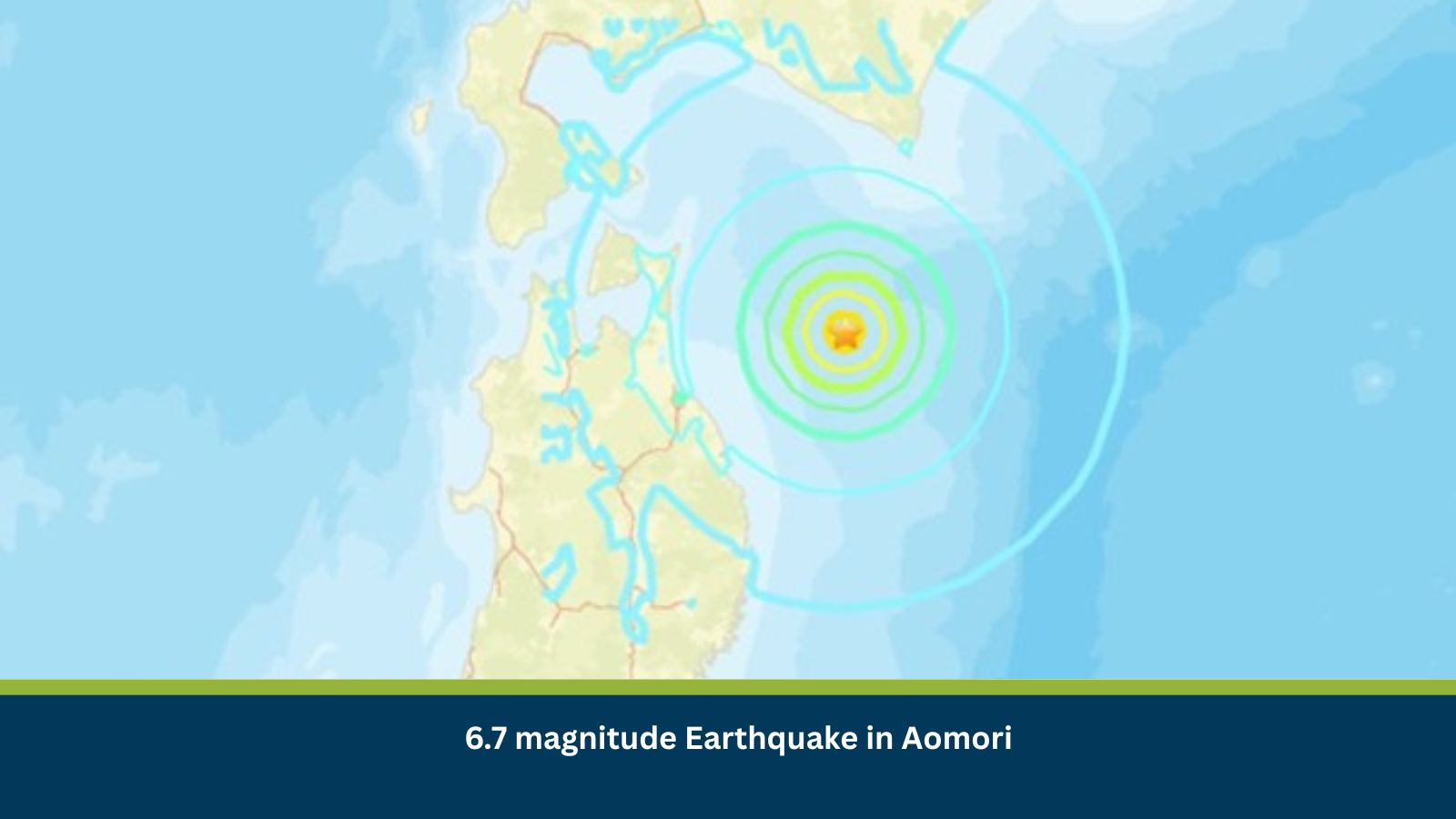
A magnitude 6.7 offshore earthquake struck near Aomori Prefecture, with shaking felt across northeastern Honshu. An active aftershock sequence is expected for seven–fourteen days, including potential M5+ shocks in the first 72 hours. Localised damage is most likely along the eastern coastline, affecting Hachinohe, Mutsu and surrounding municipalities. Tsunami advisories must be monitored, though prior similar offshore events typically produced small to moderate sea-level changes. Initial assessments are underway, with transport operators, utilities and emergency services conducting inspections.
Known Hotspots and Sensitive Areas
High Impact:
- Coastal municipalities including Hachinohe, Mutsu and Oma.
- Hachinohe Port, Mutsu Bay shoreline, coastal fishery processing zones.
- National Route 45 and adjacent low-lying coastal routes.
Medium Impact:
- Inland districts of Higashitsugaru and Sannohe where road inspections may restrict access.
- Older buildings and industrial facilities requiring structural checks.
Low Impact:
- Higher-elevation inland communities less exposed to tsunami or coastal damage.
Aftershock behaviour typically remains active for one–two weeks following comparable offshore events.
Impact on Transportation and Services
Rail services (JR East Tohoku and Hachinohe lines) may be suspended for track inspections. Ferry operations in Mutsu Bay may halt pending port integrity checks. Aomori Airport may delay operations for runway and facility inspections. Road closures are likely along coastal sections of Route 45. Localised power and water disruptions may occur, along with intermittent telecom degradation near affected coastal zones. Business operations may experience workforce displacement, delayed shipments and temporary facility closures.
Recommended Actions
Immediate Measures:
- Execute earthquake roll-call for all personnel in Aomori; confirm safety status within one hour.
- Suspend non-essential travel and secure utilities where structural risk is suspected.
- Move personnel and portable assets to designated higher ground if tsunami advisories appear on JMA sources.
Strategic Measures:
- Stand up an incident coordination cell to manage inspections, welfare support and supply-chain rerouting.
- Notify customers and regulators of delays; provide a six–twelve hour update cadence.
- Begin documented recovery steps: structural inspection → asset protection → phased resumption of operations.
Multidimensional Impact
Regional logistics may face compounded delays if companies also operate in areas experiencing winter weather conditions in Yamaguchi. Vehicle availability and routing choices may be constrained, increasing transport lead times across Honshu.
Emergency Contacts
- Emergency Services: 119 (Fire/Ambulance)
- Police: 110
- Japan Meteorological Agency (Earthquake/Tsunami Updates): jma.go.jp/jma/indexe.html
Final Thoughts
The event requires heightened vigilance over the next 72 hours as aftershocks continue. Businesses should maintain flexible logistics, ensure staff safety and closely track official advisories. Strengthening early-warning integration and using platforms such as MitKat’s Datasurfr can significantly improve resilience to seismic hazards.
Stay ahead of operational risks with real-time alerts, scenario modeling, and expert advisories with datasurfr’s Predict. Start your 14-day free trial of Datasurfr’s Risk Intelligence Platform today.