





What is Risk Analysis in the Context of Travel Risk Events
Travel risk analysis evaluates threats and disruptions that affect the safe, reliable and timely movement of people and goods across transport corridors. In road-network disruptions, risks arise from infrastructure damage, environmental hazards, diversion-route congestion and regulatory measures. Historical A2 corridor events, including truck fires, multi-vehicle collisions and slope failures, demonstrate that closures can last from several days to multiple weeks depending on remediation complexity. Such assessments enable organisations to plan alternate routing, reduce exposure to secondary-route accidents and maintain continuity of critical logistics.
Executive Summary
- Date of Event: 05-25 December
- Location: Pinkafeld, A2 Autobahn, Austria
- Risk Category: Travel Risks
- Severity Score: 3 / 5
- Confidence Level: 70 %
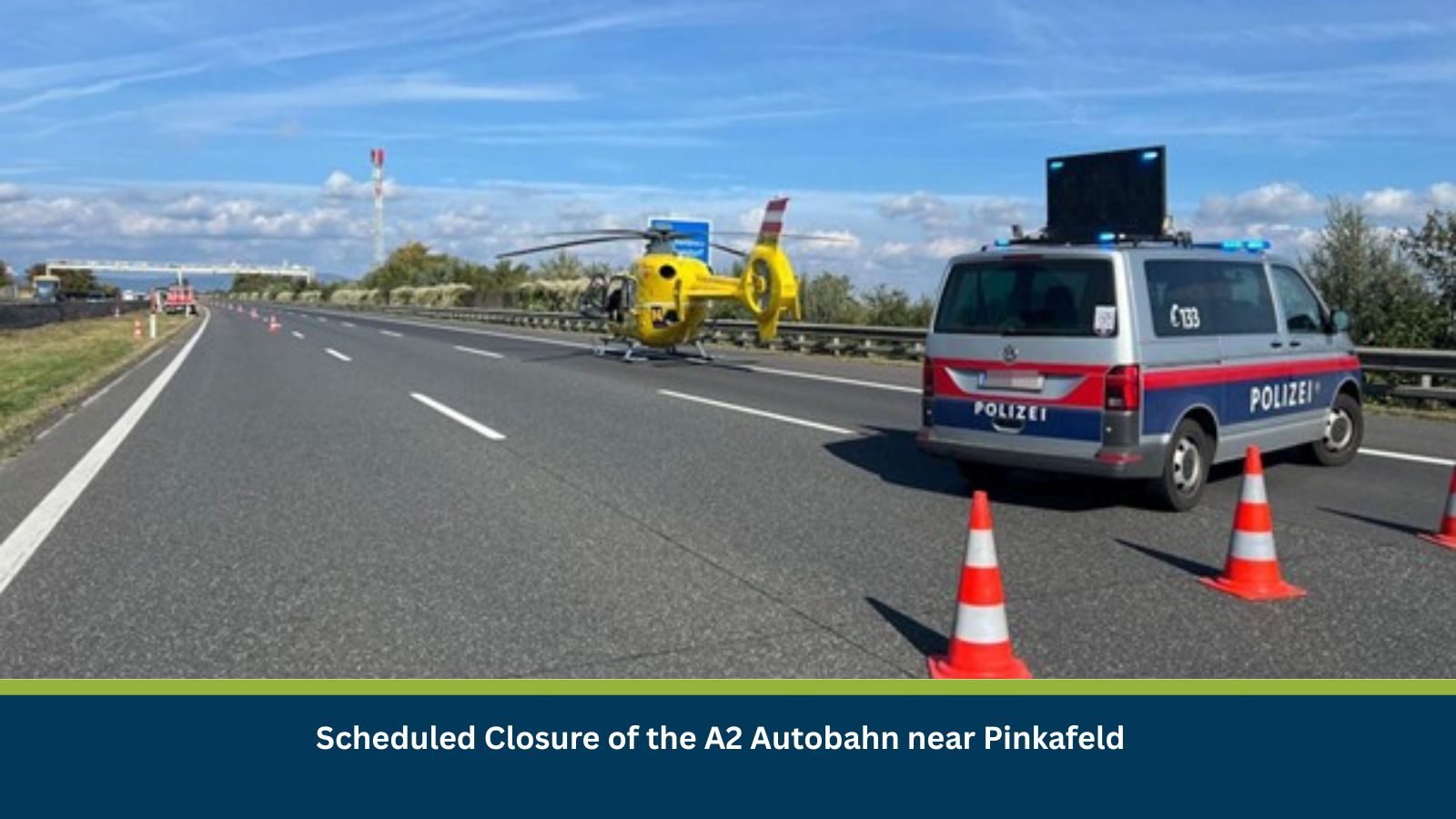
Authorities have issued a full closure of the A2 near Pinkafeld due to a confirmed slope/landslide hazard. The closure is expected to remain in place until 25 December, with extension risk dependent on geotechnical assessments and weather conditions. Freight and passenger mobility between Burgenland, Styria and the Vienna/Graz corridors will experience significant detours, longer travel times and safety exposure on secondary routes. Severity is assessed as moderate; precautionary measures reduce direct casualties but heighten collision risk on diversion routes.
Known Hotspots and Sensitive Areas
High Impact:
- A2 Closure Segment (Pinkafeld vicinity): Highest disruption due to full directional closure and slope instability.
- Diversion Routes (B50/B57): Heavy traffic load, elevated collision likelihood and bottlenecks.
Medium Impact:
- Oberwart and surrounding towns: Increased congestion from redirected freight and commuter traffic.
- S31/A3 connectors: Pressure from redistributing motorway traffic.
Low Impact:
- Peripheral regional roads: Minor slowdowns unless traffic volumes surge.
Seasonal risk is elevated due to precipitation and freeze-thaw cycles, which increase slope-failure probability.
Impact on Transportation and Services
The closure forces long-distance freight and commuter traffic into regional B-roads, increasing journey times by 20–40 percent and elevating road-safety risks. Logistics operations face routing inefficiencies, delivery delays and driver-hour constraints. Rail and air mobility remain unaffected; however, road–rail modal shifts may temporarily strain local bus and replacement services. Businesses relying on just-in-time inventory may encounter supply delays and reduced schedule predictability.
Recommended Actions
- Activate an A2 Closure Response Plan: Map all shipments scheduled along A2; re-route critical loads via A9/A23 or B-roads. Issue driver briefs with alternative route guidance and rest-stop information.
- Establish an incident cell for real-time coordination, route tracking, delay monitoring and customer updates.
- Protect at-risk inventory and drivers: Use depots within sixty minutes of Pinkafeld/Oberwart as temporary staging points; secure high-value cargo; ensure safe overnight parking.
- Communicate proactively: Issue advisories to clients and carriers within two hours detailing revised ETAs and mitigation plans.
- Ensure regulatory compliance: Validate rerouted journeys for weight limits and driver-hour regulations; update insurance and transport documents for extended dwell times.
Multidimensional Impact
Diversion traffic may worsen air-quality conditions in nearby urban centres and reduce road capacity during seasonal events. Logistics disruptions could affect planned deliveries for regional holiday activities and local businesses.
Emergency Contacts
- ASFINAG Traffic Management Hotline: 0800 400 12 400
- Austrian Federal Police (Emergency): 133
- European Emergency Number: 112
- ÖAMTC/ARBÖ Roadside Assistance: 120
Final Thoughts
The A2 closure will likely remain operationally disruptive through 25 December, with potential extensions if geotechnical assessments uncover deeper stability issues. Businesses should maintain dynamic routing, protect drivers and inventory and monitor updates closely. Early-warning and predictive-risk tools such as MitKat’s Datasurfr can significantly improve mobility planning and operational continuity during prolonged infrastructure disruptions.
Stay ahead of operational risks with real-time alerts, scenario modeling, and expert advisories with datasurfr’s Predict. Start your 14-day free trial of Datasurfr’s Risk Intelligence Platform today.