





What is Risk Analysis in the Context of Critical Infrastructure
Risk analysis concerning a critical infrastructure event, such as a fire at a major public transport hub, involves assessing the potential for an unexpected incident to cause widespread disruption and cascading effects on an urban environment. In Melbourne, where a central station like Flinders Street is a vital artery, even a minor event can halt urban mobility, compromise public safety, and erode public trust in transport systems. This incident underscores the ongoing vulnerability of critical infrastructure to unexpected events, leading to disproportionately large societal and economic ripple effects.
Executive Summary
- Date of Incident: 25 September 2025
- Location: Flinders Street Station, Melbourne, Victoria, Australia
- Risk Category: Critical Infrastructure
- Severity Score: 3/5
- Confidence Level: 80%
A fire incident reported in a train carriage at Flinders Street Station in Melbourne on 25 September 2025 highlights a moderate yet impactful risk to public safety and urban mobility. Historical data on similar transport-related fires indicates that while direct fatalities are rare with prompt emergency response, significant operational disruption and public alarm are highly probable. The likely duration of significant disruption is anticipated to be within a 24-hour window for immediate operational impacts, extending to 72 hours for full-service restoration and initial investigations. The severity is justified by the station’s critical role as a major transport hub, impacting hundreds of thousands of daily commuters and businesses.
Current Updates
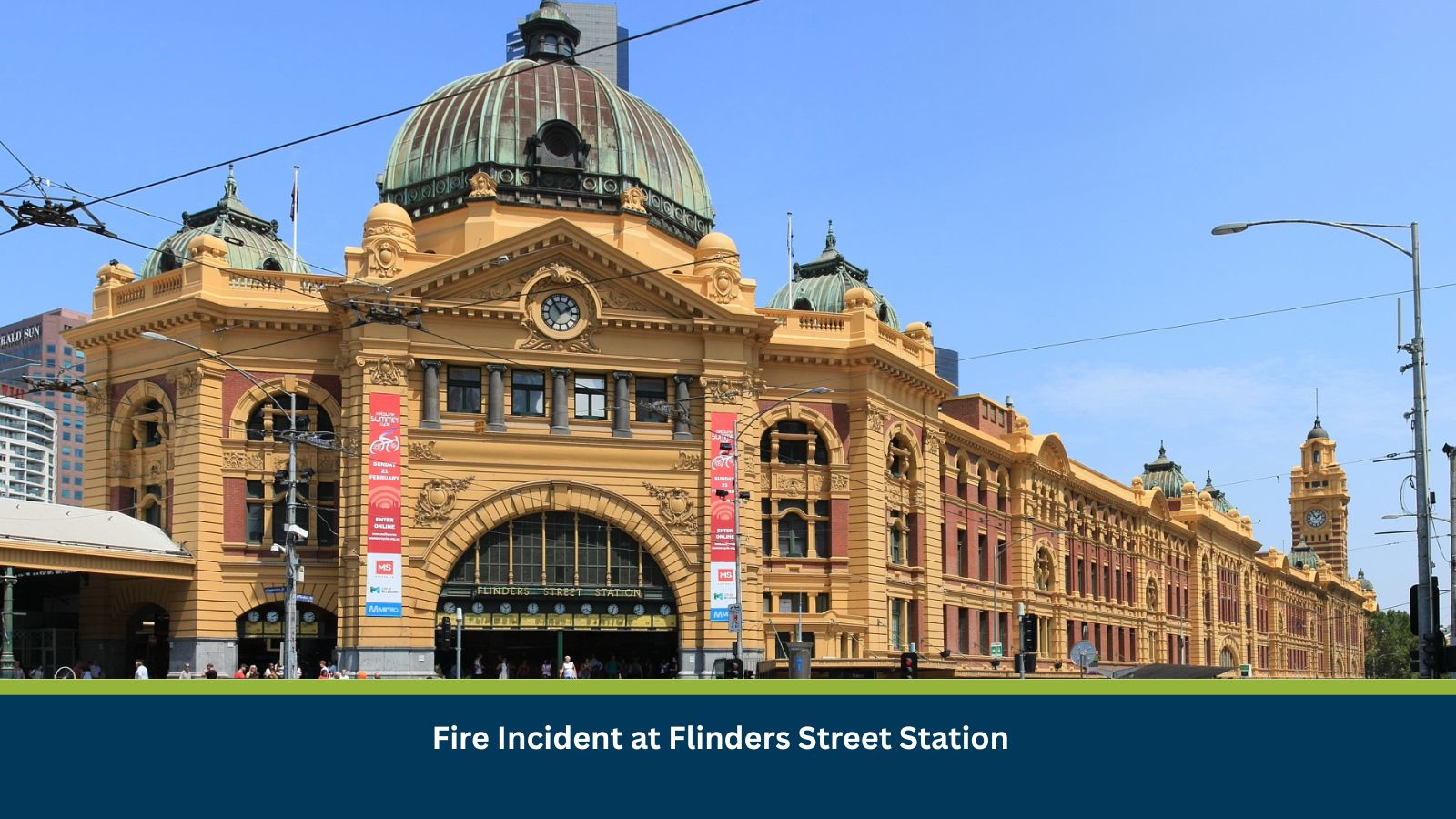
A fire was reported in a train carriage at Melbourne’s Flinders Street Station on Thursday, 25 September 2025. Emergency services responded to the incident, with immediate impacts on train services operating through the station. The extent of the damage to the train carriage and station infrastructure, as well as potential injuries, is currently under assessment. The station, a major public transport interchange, is expected to face significant disruption to operations.
Known Hotspots and Sensitive Areas
The primary sensitive area is Flinders Street Station itself, a heritage-listed building and the busiest railway station in Melbourne. The fire’s occurrence here creates a high-impact hotspot. Surrounding sensitive areas include Federation Square, a major public cultural space directly opposite the station, and numerous commercial buildings and offices in the Melbourne CBD that rely heavily on the station for commuter access. A disruption at this key location will directly affect all activities within the central business district.
Impact on Transportation and Services
The incident will cause severe disruption to all Metro Trains Melbourne services operating through Flinders Street Station, which include nearly every line in the network. This will lead to widespread cancellations, significant delays, and the implementation of bus replacement services. The disruption will also cause significant overflow traffic on nearby roads, including Flinders Street, Swanston Street, and St Kilda Road, as commuters seek alternative transport. This will have a severe impact on commuter flow to and from businesses in the Melbourne CBD, affecting productivity and leading to lost business hours.
Recommended Actions
- Activate Emergency Response & Employee Safety Protocols: Immediately initiate internal communication to all employees, especially those commuting via or located near Flinders Street Station. Advise on safety, potential transport disruptions, and activate flexible work policies for affected staff.
- Secure Premises & Assess Operational Impact: Operations and Security teams should closely monitor official emergency alerts for the Melbourne CBD. If the incident creates an exclusion zone or threatens nearby facilities, implement pre-defined building evacuation or lockdown procedures.
- Ensure Business Continuity & Data Integrity: Activate relevant sections of the Business Continuity Plan (BCP), focusing on maintaining critical operations and client service delivery. This may involve diverting calls and ensuring secure remote access to essential systems.
- Proactive Stakeholder Communication: Develop and disseminate timely, transparent communications to clients, partners, and other critical stakeholders regarding potential service adjustments or delays. Utilize pre-approved templates and multiple channels to manage expectations and provide updates.
Multidimensional Impact
The fire at Flinders Street Station, a major central transport hub, could indirectly impact certain non-related events. Specifically, the “Rally scheduled in Melbourne on Friday (26 September)” and the “Protest Against Closure of Meanjin Literary Journal in Melbourne” could experience reduced attendance or logistical challenges if participants rely on public transport to reach rally points in the CBD. The incident could also heighten public anxiety regarding the safety of public transport, potentially amplifying reactions to other, unrelated public safety incidents.
Emergency Contacts
- Police: 131 444
- Public Transport Victoria (PTV): 1800 800 007
- Official Channels:
Final Thoughts
This fire incident is a potent reminder of the fragility of a major metropolitan transport network. While a seemingly localized event, its cascading effects on traffic, business operations, and public morale are significant. The key takeaway for businesses and policymakers is the need for proactive business continuity planning. Organizations must have robust strategies in place to manage workforce punctuality, client communication, and overall operational resilience in the face of these recurring events. Stay ahead of operational risks with real-time alerts, scenario modeling, and expert advisories with datasurfr’s Predict. Start your 14-day free trial of Datasurfr’s Risk Intelligence Platform today.