





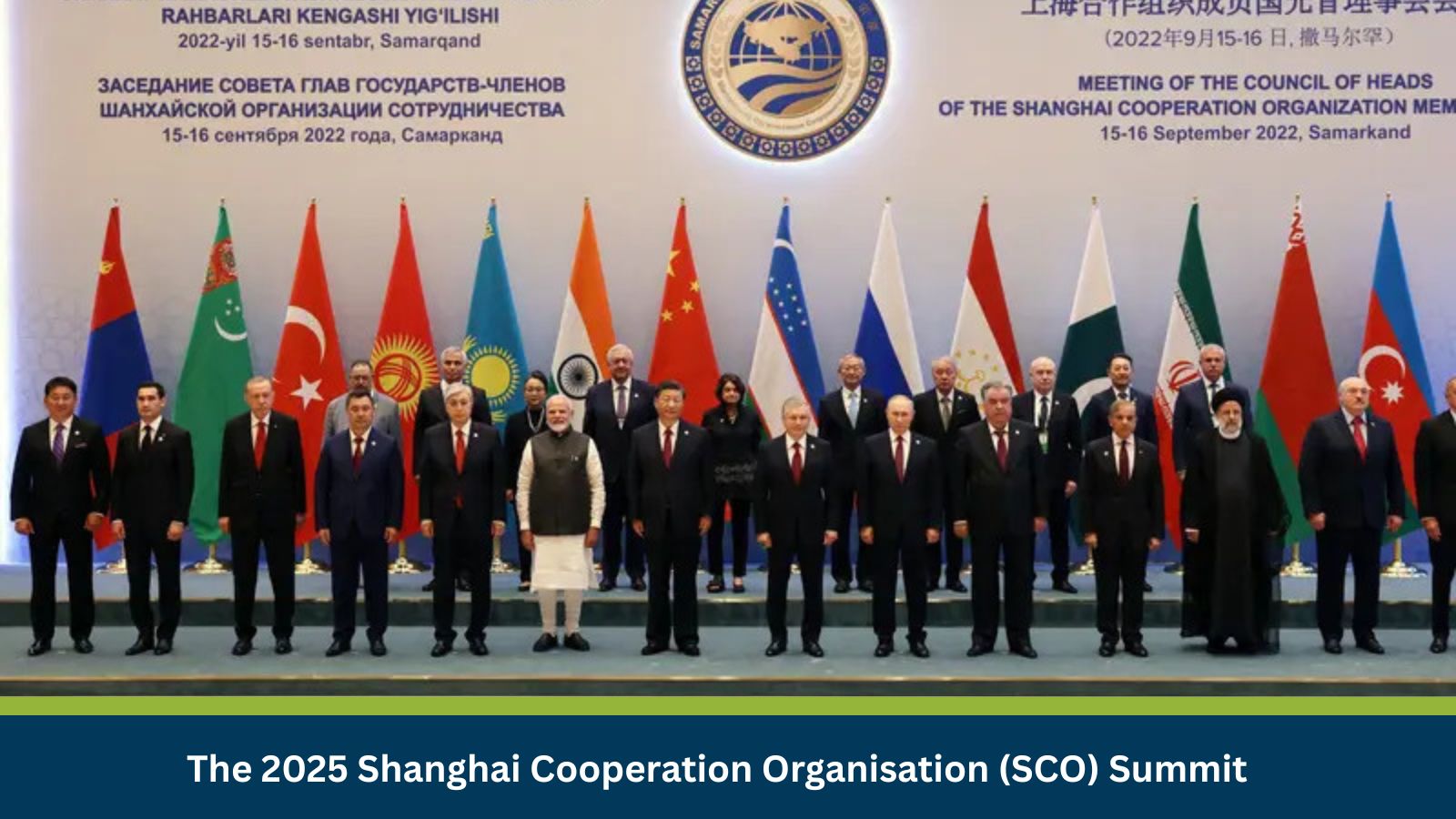
The 2025 Shanghai Cooperation Organisation (SCO) Summit is currently underway in Tianjin, China, from August 31 to September 1. This gathering is the largest in the organization’s history, bringing together key leaders from across Eurasia, including Indian Prime Minister Narendra Modi, Chinese President Xi Jinping, and Russian President Vladimir Putin. PM Modi’s attendance marks his first visit to China in seven years, signaling a notable shift in diplomatic engagement.
The 2025 Shanghai Cooperation Organisation (SCO) Summit is currently underway in Tianjin, China, from August 31 to September 1. This gathering is the largest in the organization’s history, bringing together key leaders from across Eurasia, including Indian Prime Minister Narendra Modi, Chinese President Xi Jinping, and Russian President Vladimir Putin. PM Modi’s attendance marks his first visit to China in seven years, signaling a notable shift in diplomatic engagement.
A Pragmatic Shift in South Asia
The summit has provided a crucial platform for a diplomatic reset between India and China, whose relations have been strained by past border tensions. For India, participation in the summit is a pragmatic step toward thawing relations with China in the face of new economic pressures. While the SCO’s official relevance for India lies in its mandate to combat terrorism and foster cooperation, the summit also offered a critical opportunity for a border detente and a positive meeting with President Xi on the sidelines. India’s approach is marked by caution, given the presence of Pakistan and a pre-existing trust deficit. This independent stance was previously demonstrated when India did not join the SCO’s earlier condemnation of Israel over an issue involving Iran. The potential revival of the Russia-India-China (RIC) grouping is seen as a “double-edged sword,” offering a hedge against U.S. pressures while potentially straining its deep dependence on Washington.
A Showcase of Non-Western Solidarity
From Beijing’s viewpoint, the summit is a showcase of a post-American-led international order and a demonstration of “Global South” solidarity against external pressure. The powerful optics of leaders like PM Modi and President Putin coming together is leveraged to assert China’s diplomatic influence amid global challenges. The official messaging from Beijing is clear: the summit is a signal to oppose unilateralism and actions that undermine global economic and regional security. This diplomatic show of force is consolidated by President Putin’s extended stay in China for a World War II parade, underscoring deepening strategic ties.
Western Scrutiny of a New Alignment
Western analysts are closely monitoring the summit with a focus on its potential impact on the existing global order. The primary concern is the potential for a strengthened Russia-India-China (RIC) grouping, which they believe could strain U.S.-India relations. The argument is that while India pursues its own strategic autonomy, a closer alignment with Russia and China—particularly on economic issues could complicate its partnerships with Western nations. The fact that the initial phase of the India-China detente reportedly began under the pressure of U.S. tariffs highlights the intricate and interconnected nature of these geopolitical shifts.
What This Means for Businesses?
The diplomatic shifts and economic discussions at the SCO summit have a direct impact on the business environment, particularly for companies operating in the Asia-Pacific (APAC) region.
Trade and Supply Chain Diversification: The discussions between India and China on expanding bilateral trade and reducing the trade deficit could create new opportunities for companies to diversify their supply chains away from traditional Western-dominated routes. The leaders’ talks on resuming direct flights and streamlining visa processes would directly facilitate business and investment. The push for a “multipolar trade order” suggests the potential for new trade corridors and agreements among SCO members that could provide greater resilience in a fragmented global economy.
Market Volatility and Financial Systems: The summit’s emphasis on a “multipolar trade order” and potential moves towards non-dollar trade, such as using local currencies for transactions, can introduce new volatility into financial markets. Businesses will need to adapt their financial strategies and mitigate currency risks, particularly if trade between SCO members increases.
Navigating Political and Reputational Risk: As the SCO solidifies its identity as a non-Western bloc, companies with operations within its member states may face increasing scrutiny. The bloc’s stated opposition to “unilateralism” could create a more complex regulatory environment and heightened reputational risks. Businesses will need to navigate this evolving landscape, ensuring their operations are resilient and their strategies are informed by real-time intelligence on geopolitical shifts.